
7-minute read
Heads up! This post may include affiliate links, which means I might earn a small commission (at no extra cost to you) if you decide to make a purchase. I only share things I truly find helpful—thanks for supporting the blog!
Ever notice how you still have to explain what you do… even to other healthcare professionals?
“Wait, so you help people get jobs?”
“Isn’t that like physical therapy?”
Yeah… we’ve all been there.
Occupational therapy (OT) is one of the most impactful professions in healthcare—yet it still flies under the radar. And if you’re in the field, you already know: we’re doing way more than people realize.
From helping a stroke patient get dressed again… to guiding a child through sensory regulation… to supporting independence after life-changing diagnoses—OT is everywhere.
And it’s time it got the recognition it deserves.

What Is Occupational Therapy, Really?
At its core, occupational therapy is about helping people participate in the activities that make up their daily lives—their occupations.
That includes:
- Getting dressed
- Managing medications
- Cooking meals
- Returning to work or school
- Engaging in hobbies
It’s not just physical—it’s cognitive, emotional, and environmental.
OTs look at the whole person, not just the diagnosis.
🔗 Learn more from the AOTA: What is Occupational Therapy?

What Do Occupational Therapists Actually Do? (Across Settings)
One of the most underrated things about OT? The versatility.
- Pediatrics
- Acute care
- Rehab
- Mental health
- Home health
- Schools
OTs adapt to wherever life happens.

The Documentation Time Crunch
You finish your last patient… and still have notes left.
You’re tired, trying to remember details, and honestly just ready to go home.
➡️ Having a quick system makes a huge difference—whether that’s a structured planner, a reliable clipboard setup like a Saunders Clipboard with Storage, or even using an Apple iPad with an Apple Pencil (latest generation, of course) to speed things up.
Even something simple like a Moleskine Classic Notebook or throwing on Soundcore Anker Life Q20 Noise Cancelling Headphones at the end of the day can help you focus and finish faster.

Don’t Forget OTAs: The Unsung Heroes
OTAs are doing the hands-on work every single day.
They’re:
- Running treatments
- Building rapport
- Adjusting sessions in real time
- Managing documentation
And doing it all under productivity expectations.

Specialized Areas in Occupational Therapy
OT is incredibly diverse:
- Autism & sensory integration
- Hand therapy
- Geriatrics
- School-based therapy
We’re not just generalists—we’re adaptable problem-solvers.
Patient Engagement Struggles
You planned a great session… and your patient just isn’t into it.
It happens.
➡️ Having go-to tools ready—like FlintRehab Therapy Putty Set, Learning Resources Fine Motor Tool Set, or even a Time Timer Visual Timer—can help you pivot quickly without overthinking.
Occupational Therapy Career Outlook
Is OT a good career?
Yes—with flexibility, growth, and meaningful work.
- ~12% job growth
- Multiple settings
- Strong salaries
But more importantly—it’s impactful.
Productivity Pressure Is Real
Balancing treatments, documentation, and time constraints is tough.
➡️ Small tools help—like your OT Pocket Guide, or even a structured planner like the Blue Sky Daily Planner to stay organized.
Why OT Is Still Underrated
Let’s be honest:
- The name confuses people
- It’s not highlighted enough
- It’s often misunderstood
But what we do?
It’s essential.
Burnout & Mental Fatigue
Some days, it’s not even the patients—it’s everything else.
➡️ Reducing decision fatigue matters. Even small upgrades—like supportive shoes such as HOKA Bondi Running Shoes or Brooks Ghost Running Shoes, or tools like Blue Light Blocking Glasses and a reliable work bag like LOVEVOOK Professional Work Backpack—can make long days more manageable.
📘 OT Month Feature: Pocket Guides for Real Practice
April is OT Month—the perfect time to simplify your workflow.
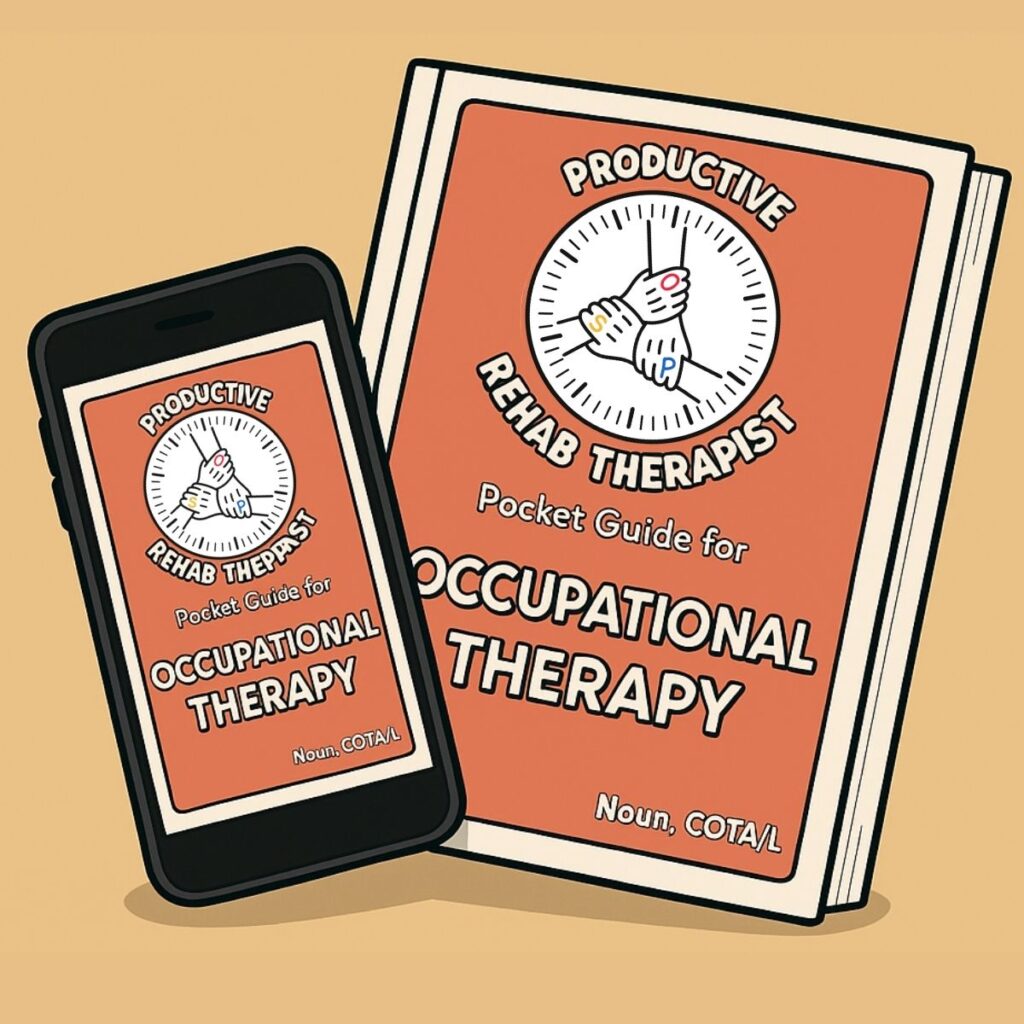
✔ OT Pocket Guide — Available now
✔ ST Pocket Guide — Available now
✔ PT Pocket Guide — Coming soon
…
🛒 Affiliate Picks for Busy OT Days
If you’re anything like me, you don’t need more stuff—you need tools that actually make your day easier.
📋 Documentation & Workflow
🧠 Treatment Tools
⏱ Productivity Tools
😌 Comfort & Support
- HOKA Bondi Running Shoes
- Brooks Ghost Running Shoes
- Blue Light Blocking Glasses
- LOVEVOOK Professional Work Backpack
💡 These are tools that actually help reduce stress, save time, and make your workflow smoother.

Conclusion: OT Deserves the Spotlight
Occupational therapy has always been powerful—it just hasn’t always been visible.
But that’s changing.
And honestly? It’s about time.
✅ Get Your Free OT, PT & ST Quick Reference Sheets
Download your free 1-page rehab reference sheets—designed to save time and reduce decision fatigue.
Subscribe and grab your free Rehab Therapy Quick Reference Sheets
✔ OT Pocket Guide — Available now
✔ ST Pocket Guide — Available now
✔ PT Pocket Guide — Coming soon
⚠️ Medical Disclaimer
This content is for educational purposes only and should not replace clinical judgment, facility guidelines, or professional medical advice.
💬 Let’s Talk:
What’s one thing you wish people understood about occupational therapy?
Originally posted 2025-04-24 03:00:00.