Category: Occupational Therapy

  • 13. Understanding Aphasia and Alzheimer’s: Rehab Therapy for Communication Loss

    13. Understanding Aphasia and Alzheimer’s: Rehab Therapy for Communication Loss

    When Words Slip Away: How Therapists Bridge the Gap

    Imagine sitting across from a loved one and watching them struggle to say your name—or not remember it at all. Whether the cause is aphasia or Alzheimer’s, communication breakdowns can feel heartbreaking, frustrating, and isolating. But here’s the good news: rehab therapists are trained to help rebuild those bridges—even when words are lost or memory fades.

    As an occupational therapy assistant who has worked with both types of clients, I’ve seen firsthand how different the root of the communication breakdown can be—and how vital tailored therapy is. In this blog, we’ll break down the differences between aphasia and Alzheimer’s, explore how speech-language pathologists (SLPs) and occupational therapists (OTs) support communication, and share tools and tips that caregivers and professionals can use starting today.

    Want quick tools for working with clients facing language or memory challenges?
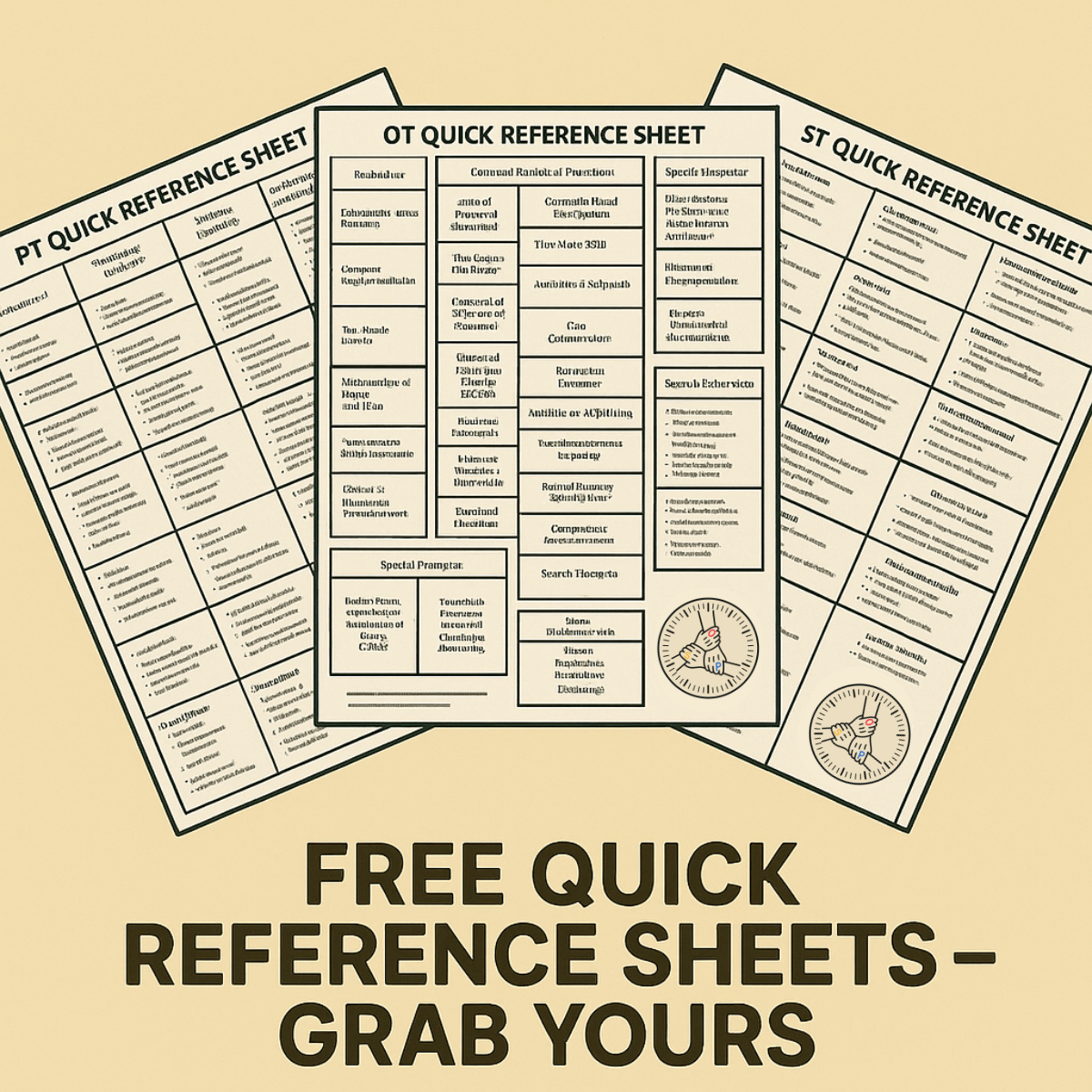
    [Download your Free Quick Reference Sheets]
    Includes strategies for OT, ST, and PT — plus affiliate links to therapy must-haves!

    📌 Affiliate Link Disclosure:

    Some links in this post are affiliate links, meaning I may earn a small commission (at no extra cost to you) if you choose to purchase through them. I only recommend tools I’ve used or trust in clinical settings.


    🧠 What’s the Difference Between Aphasia and Alzheimer’s?

    Visual comparison of aphasia and Alzheimer’s symptoms

    At first glance, both conditions can look similar: someone has difficulty speaking, understanding, or remembering words. But the cause and treatment approach differ significantly.

    ✅ Aphasia

    • Cause: Brain damage, often from stroke, traumatic brain injury, or brain tumor
    • Main issue: Language – understanding, speaking, reading, or writing
    • Memory usually intact

    ✅ Alzheimer’s

    • Cause: Progressive neurodegenerative disease
    • Main issue: Memory – gradual loss of cognitive function
    • Language issues develop later

    Source: National Aphasia Association
    Source: Alzheimer’s Association


    👩‍⚕️ How Speech Therapists Support Aphasia vs Alzheimer’s

    Speech therapist using low-tech and digital AAC tools

    Speech-language pathologists (SLPs) are communication specialists trained to assess, diagnose, and treat both aphasia and cognitive-communication deficits related to dementia.

    🗣️ SLPs and Aphasia:

    🦳 SLPs and Alzheimer’s:

    • Shift focus to functional communication: gestures, simplified questions, familiar routines
    • Collaborate closely with caregivers to reduce frustration and preserve dignity

    Recommended Tools for SLPs:


    🧹 How Occupational Therapists Address Communication Challenges

    Occupational therapist setting up daily memory aids

    Occupational therapists (OTs) help patients maintain independence and function through adaptive communication and daily routines.

    🧠 OTs and Aphasia:

    • Create accessible home environments with AAC tools
    • Reinforce functional use of therapy cards and boards during tasks

    🧠 OTs and Alzheimer’s:


    🛠️ Therapy & Caregiver Tools That Actually Help

    Aphasia and Alzheimer’s therapy materials used by rehab therapists

    Whether you’re a clinician or family member, small tools can make a big difference.

    📅 Memory & Routine Aids:

    💥 Calming & Communication Support:

    ✍️ Therapist & Caregiver Add-ons:


    💬 Communication Isn’t Just Verbal

    When words fail, therapists help find alternatives. SLPs teach gestures and picture systems. OTs adapt tasks and environments. Even a simple cue card or familiar object can prompt a smile, a word, a moment of recognition.

    And that moment? That’s connection. That’s therapy.


    💕 Final Thoughts: Different Diagnoses, Shared Goals

    Successful communication using alternative methods

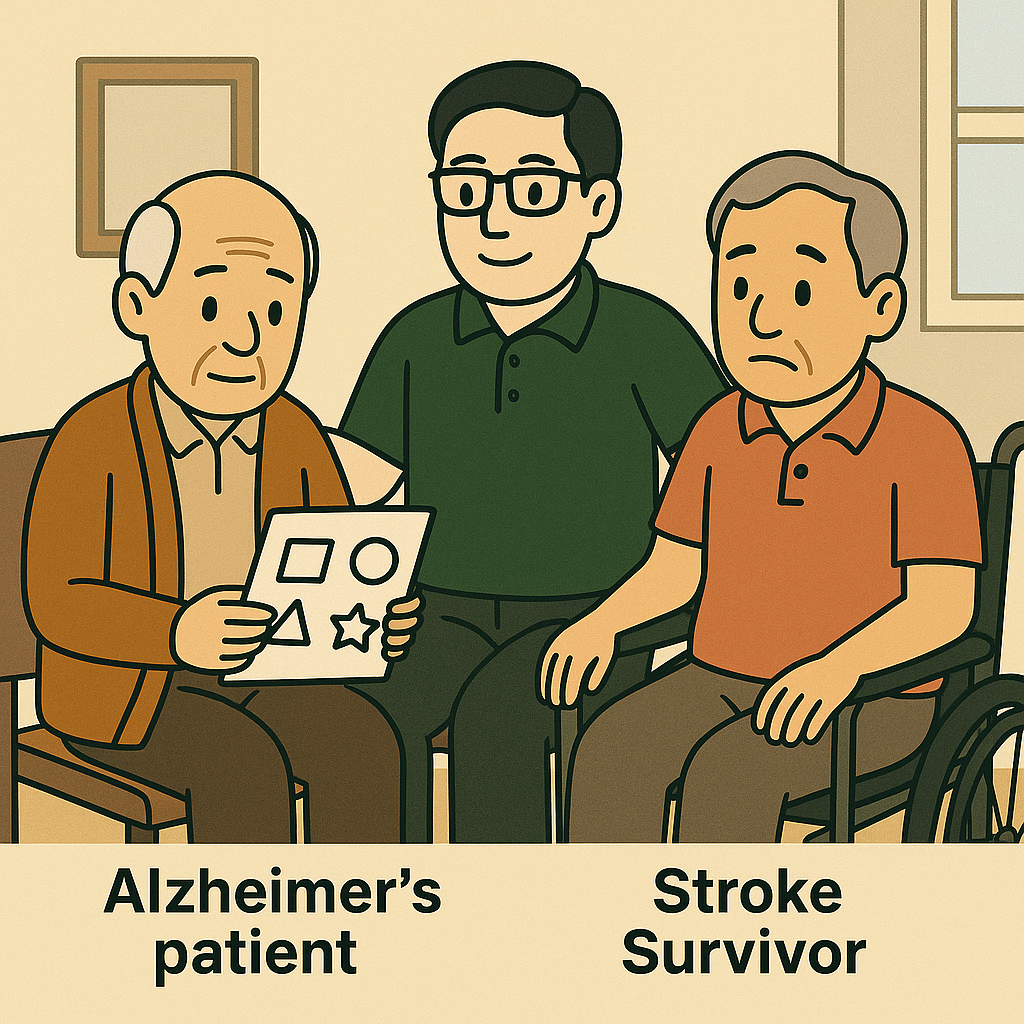
    Whether you’re working with someone recovering from a stroke or living with Alzheimer’s, the goal is the same: preserve dignity, support independence, and restore communication in any form.

    Let’s keep learning, sharing, and empowering patients—and each other.


    ✅ Get Free Therapist Tools

    Stay prepared wherever you are—clinic, home health, or SNF.

    📌 [Download Your Free Quick Reference Sheets for OT, PT, and ST]
    Tools, cheat sheets, and go-to strategies you’ll actually use.

    📚 OT Pocket Guide is now available

    📘 ST Pocket Guide releases soon
    📗 PT Pocket Guide coming in October


    💬 Let’s Hear From You!

    Have you worked with someone with aphasia or Alzheimer’s?
    What communication strategy made the biggest difference?

    👇 Share your story in the comments—we learn best when we learn together.


    Originally posted 2025-06-10 12:19:16.

  • 3. Your First OT Job? Here Are the Tools You’ll Actually Use

    3. Your First OT Job? Here Are the Tools You’ll Actually Use

    8-minute read

    Let’s get technical here—your first job as an OT or OTA is likely your fieldwork, which (surprise!) is typically unpaid. But whether you’re gearing up for fieldwork or just signed your first contract as a new grad, one thing’s for sure: having the right tools makes all the difference.


    This guide cuts through the clutter and gives you the actual must-haves—whether you’re stuffing your first rolling tote or looking for a thoughtful OT Month gift or starter kit. And although this list is focused on the occupational therapy fieldwork experience, physical therapists and students may find many of these tools equally helpful.

    Heads up! This post may include affiliate links, which means I might earn a small commission (at no extra cost to you) if you decide to make a purchase. I only share things I truly find helpful—thanks for supporting the blog!

    10 Amazon Must-Haves for New Grad Occupational Therapists

    Each item listed is practical, therapist-approved, and ready to support your success from your very first day.


    1. OT Pocket Reference Guide


    A quick-access, pocket-sized tool packed with evaluations, precautions, treatment ideas, and documentation tips.


    Why it’s a must: You’ll want this for those moments you blank on standard assessments or need a CPT code on the fly. Whether you’re a fieldwork student or full-time therapist, the right reference saves time, improves accuracy, and boosts your confidence when charting or brainstorming interventions.


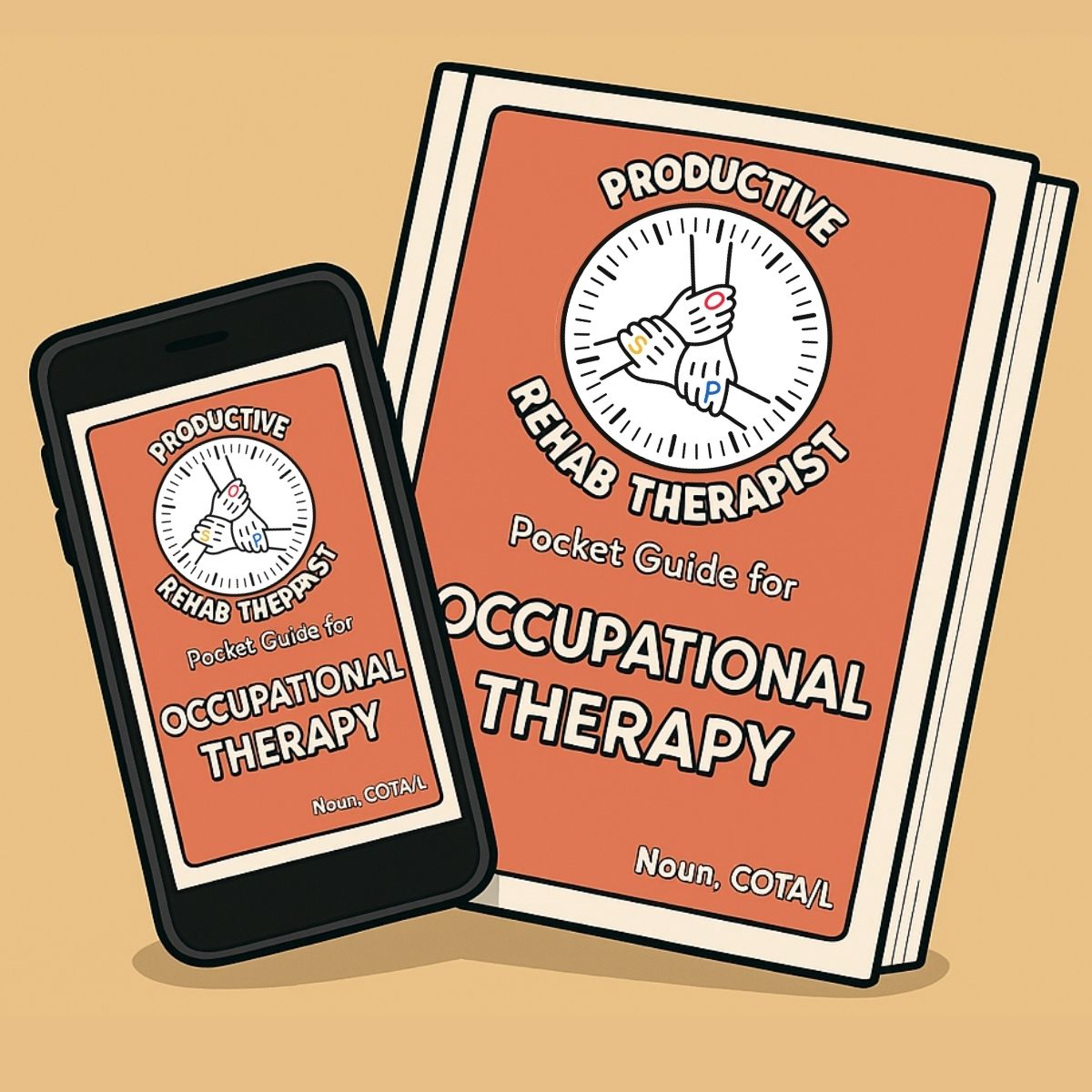
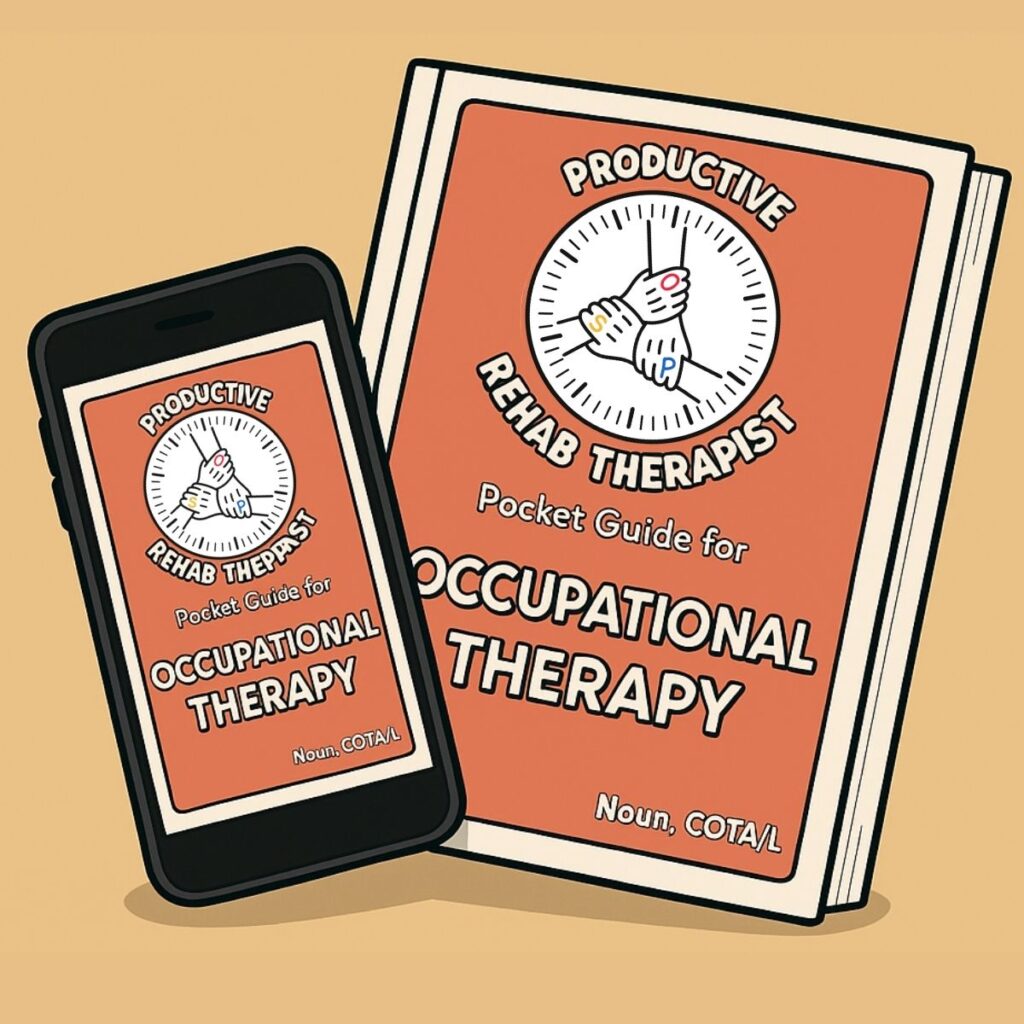
    Recommended resource: Our very own OT Pocket Guide—created by a working therapist, designed specifically to support you during evaluations, interventions, and documentation. It’s like a clinical cheat sheet in your pocket—and it’s already helping therapists nationwide.


    Suggestion: Productive Rehab Therapist Pocket Guide for Occupational Therapy


    2. Gait Belt with Metal Buckle

    This is a non-negotiable in nearly every adult-based setting.


    Why it’s a must: You’ll need it for transfers, bed mobility, and any functional mobility training session. But more importantly—it’s essential for safety and liability protection. If a patient were to fall under your watch, a facility or supervisor will always ask: “Were you using a gait belt?” Having one is often the make-or-break factor in preventing injury (or lawsuit).


    Suggestion: Secure Transfer Gait Belt with Metal Buckle


    3. Comfortable, Slip-Resistant Footwear

    Forget fashion—go for comfort and traction.


    Why it’s a must: You’re on your feet all day, often lifting, guarding, and demonstrating movement techniques. And let’s face it—spilled drinks, recently mopped floors, or slick surfaces are very real hazards. Slip-resistant shoes help you stay upright and avoid workplace injuries, all while keeping you supported through 8+ hour shifts.

    One of my personal favorites? Slip-on, slip-resistant Skechers—easy to wear, supportive, and perfect for busy therapy days. I highly recommend giving them a try.

    Suggestion: Skechers Work Slip-On Slip-Resistant Shoes

    HOKA Bondi SR or Dansko Professional Clogs for more options.


    4. Rolling Therapy Tote or Backpack

    A game-changer for students and therapists on the move.


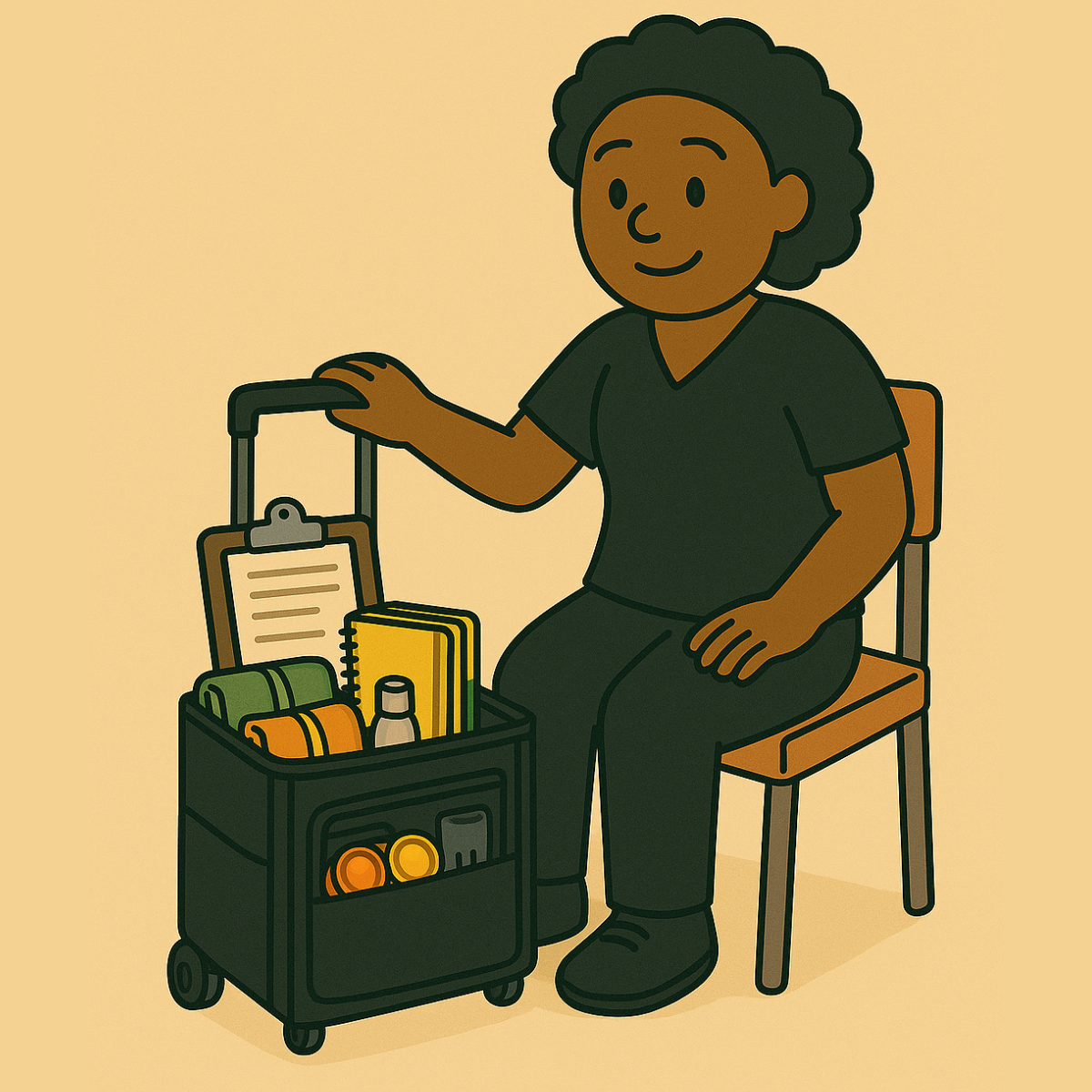
    Why it’s a must: Keeps your hands free while organizing everything from paperwork to sensory tools. Neatness matters—especially when you’re traveling between clinics, schools, or homes. A good rolling tote or therapist backpack helps you look prepared, professional, and efficient.


    Suggestion: Rolling Utility Tote or Therapist Laptop Backpack


    5. Blood Pressure Device (Wrist or Arm Cuff)

    Because vital signs aren’t optional.

    Why it’s a must: Blood pressure monitoring is essential during evaluations, ADL assessments, and documenting status changes. It’s smart to have your own, even if your facility supplies one—especially in busy settings where equipment isn’t always readily available.

    Whether you go the traditional route with a manual cuff and stethoscope, prefer the accuracy of an upper arm digital monitor, or need the convenience of a wrist cuff, having your own device ensures you’re always prepared.

    Suggestions:

    Two-in-one tools are fieldwork gold.

    Why it’s a must: You’ll use a pulse ox to monitor oxygen levels, especially with patients on O2 or those with respiratory issues. It’s also great for pursed lip breathing education and activity tolerance tracking. Pair it with a stopwatch to time walking tests, exercises, or ADLs—and you’ve got a power combo for cardiopulmonary care.


    Suggestion: Zacurate Pulse Oximeter + Stopwatch Combo


    7. Scrubs with Stretch & Pockets

    Comfort and function in one.


    Why it’s a must: Scrubs are basically professional pajamas—but finding the right fit with stretch and pockets will take you far. They should move with you through lifts, squats, kneels, and transitions, all while keeping you looking clean and put-together. Choose quality over quantity here!

    Suggestion: Figs Scrubs or Cherokee Workwear Stretch Scrubs


    8. HIPAA-Compliant Clipboard

    It’s more than just a writing surface—it’s privacy protection on the go.


    Why it’s a must: Store paperwork, pens, and small tools while keeping sensitive client information secure. It doubles as a mobile workstation—keep your schedule, eval templates, SOAP note prompts, or quick references inside. It also shows patients and staff that you’re organized and professional from day one.

    Suggestion: Saunders HIPAA Privacy Clipboard (aluminum) or Sooez HIPPA Privacy Clipboard (plastic)


    9. Mini Dry-Erase Board with Markers

    The underrated therapy essential.


    Why it’s a must: Useful for visual schedules, multi-step instructions, and especially helpful with patients who are hard of hearing, non-verbal, or just need a visual cue to stay on task. It’s also more eco-friendly than paper handouts and comes in clutch when you’re doing group therapy or redirecting cognitively impaired clients.


    Suggestion: 8.5×11 Magnetic Dry Erase Board

    10. Durable Goniometer Set

    If you’re in outpatient, ortho, or rehab, this is a must.

    Why it’s a must: Accurate range of motion (ROM) measurements are a staple in OT practice—from baseline assessments to progress notes and discharge planning. Having your own set means you’re never scrambling to borrow, and it’s a great tool to lend to a coworker—just make sure they give it back!

    I recommend the ASA TECHMED Goniometer Complete Set—it includes 6 pieces plus a body measuring tape, with protractors in various sizes (12″, 8″, 6″) for flexibility in different clinical situations.


    Suggestion: ASA TECHMED Goniometer Complete Set


    Conclusion: Tools Make the Therapist


    You’re stepping into a hands-on career where preparedness meets compassion. Whether you’re filling your backpack for fieldwork or prepping for your first full-time gig, having the right occupational therapy tools will elevate your practice and ease your learning curve.


    Don’t forget to grab our free quick reference sheets—built for busy therapists like you.


    And there’s more on the way—our Speech Therapy Pocket Guide drops in May, and the PT Pocket Guide is set for October, just in time for PT Month. Stay tuned for more quick-reference tools designed to support you across every stage of your therapy journey.

    Download Your Free Quick Reference Sheets

    Originally posted 2025-04-29 03:00:00.

  • Why Occupational Therapy Deserves More Recognition (From A Therapist’s Perspective)

    Why Occupational Therapy Deserves More Recognition (From A Therapist’s Perspective)

    7-minute read

    Heads up! This post may include affiliate links, which means I might earn a small commission (at no extra cost to you) if you decide to make a purchase. I only share things I truly find helpful—thanks for supporting the blog!

    Ever notice how you still have to explain what you do… even to other healthcare professionals?

    “Wait, so you help people get jobs?”
    “Isn’t that like physical therapy?”

    Yeah… we’ve all been there.

    Occupational therapy (OT) is one of the most impactful professions in healthcare—yet it still flies under the radar. And if you’re in the field, you already know: we’re doing way more than people realize.

    From helping a stroke patient get dressed again… to guiding a child through sensory regulation… to supporting independence after life-changing diagnoses—OT is everywhere.

    And it’s time it got the recognition it deserves.


    occupational therapy sensory play pediatric fine motor intervention
    OTs help children build real-life skills through play and meaningful activities.

    What Is Occupational Therapy, Really?

    At its core, occupational therapy is about helping people participate in the activities that make up their daily lives—their occupations.

    That includes:

    • Getting dressed
    • Managing medications
    • Cooking meals
    • Returning to work or school
    • Engaging in hobbies

    It’s not just physical—it’s cognitive, emotional, and environmental.

    OTs look at the whole person, not just the diagnosis.

    🔗 Learn more from the AOTA: What is Occupational Therapy?


    occupational therapy practitioners working in hospital home health and school settings
    You’ll find OTs everywhere—from hospitals to homes to schools.

    What Do Occupational Therapists Actually Do? (Across Settings)

    One of the most underrated things about OT? The versatility.

    • Pediatrics
    • Acute care
    • Rehab
    • Mental health
    • Home health
    • Schools

    OTs adapt to wherever life happens.


    occupational therapist documentation using ipad clinical workflow
    Efficient documentation systems can make or break your day.

    The Documentation Time Crunch

    You finish your last patient… and still have notes left.

    You’re tired, trying to remember details, and honestly just ready to go home.

    ➡️ Having a quick system makes a huge difference—whether that’s a structured planner, a reliable clipboard setup like a Saunders Clipboard with Storage, or even using an Apple iPad with an Apple Pencil (latest generation, of course) to speed things up.

    Even something simple like a Moleskine Classic Notebook or throwing on Soundcore Anker Life Q20 Noise Cancelling Headphones at the end of the day can help you focus and finish faster.


    occupational therapy assistant feeding therapy pediatric intervention
    OTAs play a key role in hands-on care and patient progress.

    Don’t Forget OTAs: The Unsung Heroes

    OTAs are doing the hands-on work every single day.

    They’re:

    • Running treatments
    • Building rapport
    • Adjusting sessions in real time
    • Managing documentation

    And doing it all under productivity expectations.


    occupational therapy interventions across multiple settings collage
    OT spans across settings, populations, and treatment approaches.

    Specialized Areas in Occupational Therapy

    OT is incredibly diverse:

    • Autism & sensory integration
    • Hand therapy
    • Geriatrics
    • School-based therapy

    We’re not just generalists—we’re adaptable problem-solvers.


    Patient Engagement Struggles

    You planned a great session… and your patient just isn’t into it.

    It happens.

    ➡️ Having go-to tools ready—like FlintRehab Therapy Putty Set, Learning Resources Fine Motor Tool Set, or even a Time Timer Visual Timer—can help you pivot quickly without overthinking.


    Occupational Therapy Career Outlook

    Is OT a good career?

    Yes—with flexibility, growth, and meaningful work.

    • ~12% job growth
    • Multiple settings
    • Strong salaries

    But more importantly—it’s impactful.


    Productivity Pressure Is Real

    Balancing treatments, documentation, and time constraints is tough.

    ➡️ Small tools help—like your OT Pocket Guide, or even a structured planner like the Blue Sky Daily Planner to stay organized.


    Why OT Is Still Underrated

    Let’s be honest:

    • The name confuses people
    • It’s not highlighted enough
    • It’s often misunderstood

    But what we do?

    It’s essential.


    Burnout & Mental Fatigue

    Some days, it’s not even the patients—it’s everything else.

    ➡️ Reducing decision fatigue matters. Even small upgrades—like supportive shoes such as HOKA Bondi Running Shoes or Brooks Ghost Running Shoes, or tools like Blue Light Blocking Glasses and a reliable work bag like LOVEVOOK Professional Work Backpack—can make long days more manageable.

    🛒 Affiliate Picks for Busy OT Days

    If you’re anything like me, you don’t need more stuff—you need tools that actually make your day easier.

    📋 Documentation & Workflow

    🧠 Treatment Tools

    ⏱ Productivity Tools

    😌 Comfort & Support

    💡 These are tools that actually help reduce stress, save time, and make your workflow smoother.

    occupational therapy month celebration therapists teamwork
    April is OT Month—a time to recognize the impact of OT.

    Conclusion: OT Deserves the Spotlight

    Occupational therapy has always been powerful—it just hasn’t always been visible.

    But that’s changing.

    And honestly? It’s about time.


    ✅ Get Your Free OT, PT & ST Quick Reference Sheets

    Download your free 1-page rehab reference sheets—designed to save time and reduce decision fatigue.

    Subscribe and grab your free Rehab Therapy Quick Reference Sheets

    OT Pocket Guide — Available now
    ST Pocket Guide — Available now
    ✔ PT Pocket Guide — Coming soon


    ⚠️ Medical Disclaimer

    This content is for educational purposes only and should not replace clinical judgment, facility guidelines, or professional medical advice.


    💬 Let’s Talk:

    What’s one thing you wish people understood about occupational therapy?

    Originally posted 2025-04-24 03:00:00.