As an Amazon Associate, I earn from qualifying purchases. I recommend products based on their use in speech therapy practice, industry trust, and educational value.
Introduction: The Unsung Heroes of Communication
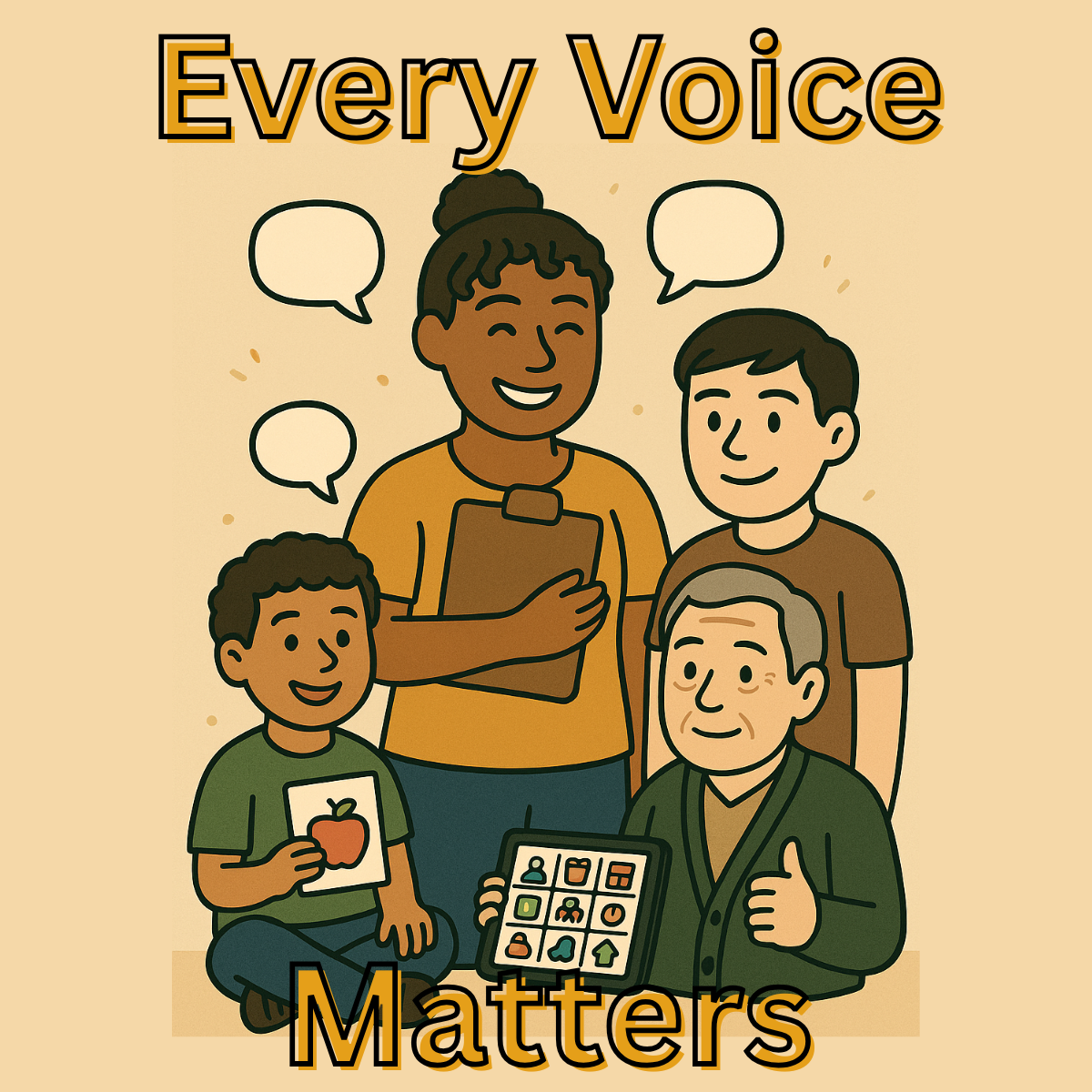
Have you ever stopped to think about the power of communication? For many people—children, adults, and families—finding their voice is a challenge. That’s where Speech-Language Pathologists (SLPs) come in. These professionals help individuals speak, understand, and swallow—giving people back one of the most essential parts of life: connection.
As we celebrate Better Speech and Hearing Month this May, let’s take a closer look at the world of speech therapy—how it works, who it helps, and how we can all support the incredible work of SLPs.
1: What is Speech Therapy?
Speech therapy is more than correcting a lisp or saying “r” correctly. It encompasses evaluation and treatment for:
SLPs work in schools, hospitals, clinics, and homes—and support everyone from toddlers with speech delays to adults recovering from strokes or living with ALS.
SLPs support people through every stage of life. Their work is diverse, impactful, and often life-altering.
In Early Intervention and Schools:
Helping children meet speech and language milestones
Supporting IEP goals and academic success
Providing visuals, social stories, and play-based therapy
🎒 Must-Have: For SLPs seeking a versatile and engaging tool for articulation therapy, theSay & Play Mini Objects Setoffers over 300 miniature items categorized by speech sounds. This comprehensive kit supports various therapeutic activities, from sound production to language expansion.
In Medical and Adult Rehab:
Assisting stroke survivors and TBI patients regain speech
Providing strategies and support for swallowing safety
Using tools like tongue depressorsor FEES studies to evaluate function
In All Settings:
Empowering voices through connection, advocacy, and individualized care
4: How You Can Support SLPs This Month
Want to join the celebration? Here’s how:
✅ Thank an SLP — A kind word or social media shoutout goes a long way. ✅ Share success stories — Celebrate clients and families who’ve overcome communication barriers. ✅ Donate — Support nonprofits that provide speech therapy services to underserved populations. ✅ Wear Awareness Gear — Pins, posters, and shirts show your support. ✅ Talk About It — Spread the word about early intervention and hearing protection.
OT Pocket Guide: Available now as eBookandPaperback (Packed with functional tools, checklists, and tips—perfect for daily clinical use.)
SLP Pocket Guide: Coming May 2025
PT Pocket Guide: Launching October 2025
Conclusion: Let’s Give a Voice to Those Who Need It Most
Whether it’s a toddler speaking their first words, a stroke survivor finding confidence again, or a nonverbal child learning to communicate, SLPs make it possible. Their work is not just professional—it’s personal, transformational, and deeply impactful.
This Better Speech and Hearing Month, join us in celebrating the life-changing power of speech therapy. Download your tools, thank a therapist, and support better communication for everyone.
Get Your Free Tools
Download our FREE Quick Reference Sheets for OT, PT, and ST. Stay organized, confident, and ready for any session.
It hit like a bombshell on social media: “Nursing isn’t a professional degree anymore.” For many therapists — PTs, OTs, SLPs — and nurses hoping to advance their training, that message sparked fear. Would your DPT, MOT/OTD, or MSN stop counting? Would student loans dry up? As someone working in rehab (and planning content around PT/OT/SLP), I knew I had to dig deeper. Let’s walk through what’s really happening — the policy, the politics, and what it means for you, as of December 1, 2025.
TL;DR — What You Need to Know
In 2025, the U.S. Department of Education proposed narrowing the definition of “professional degrees” for federal loan purposes, not for licensure. Degrees in Nursing, PT, OT, SLP, PA, Public Health, Social Work, and more would be categorized as graduate degrees, losing access to the highest federal borrowing limits.
What this does not change: – Your degree title – Your license or scope of practice – Accreditation of PT/OT/SLP/Nursing programs – Existing loan forgiveness already granted
What it does change: – Reduces federal borrowing caps for many healthcare graduate programs – Pushes more students toward private loans, scholarships, or out-of-pocket funding – Raises concerns about workforce shortages and equity
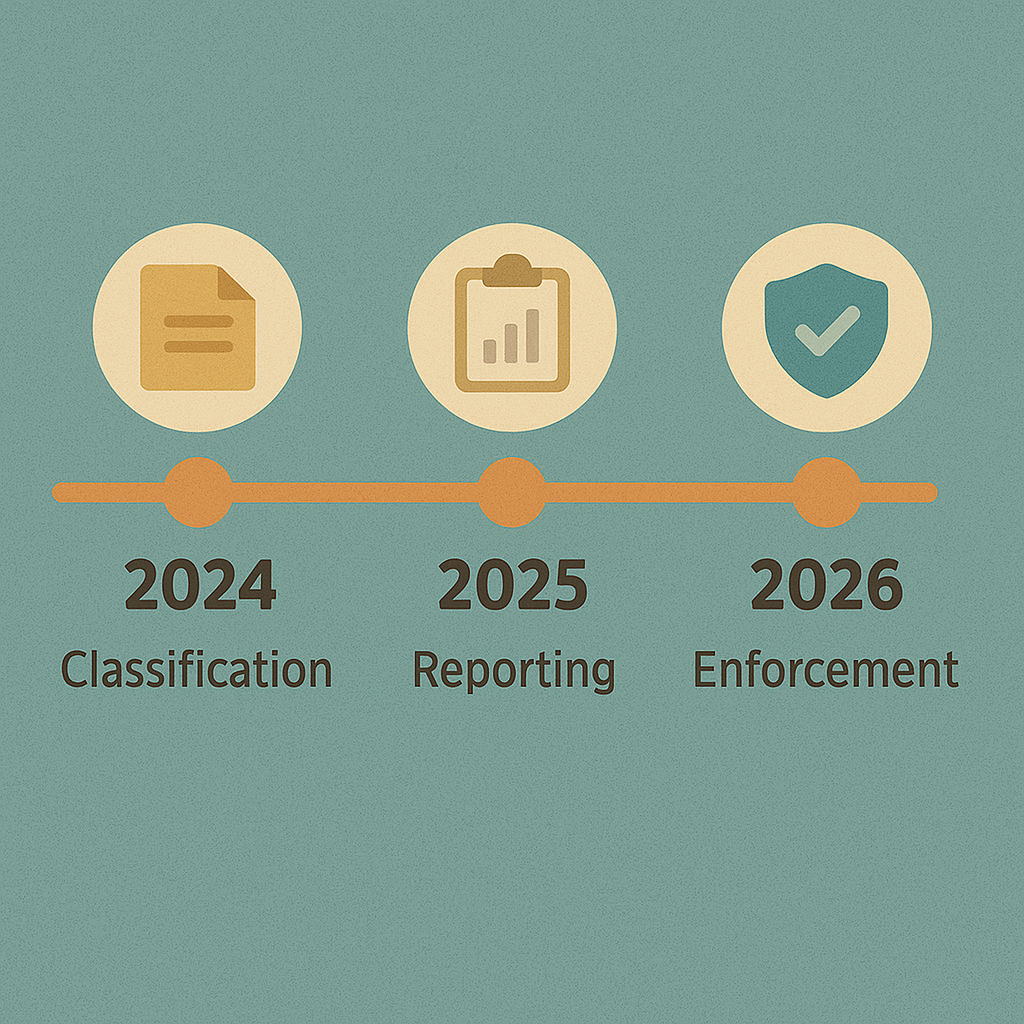
These are the verified facts as of December 1, 2025. This summary will not reflect future updates until official rulings are finalized in 2026.
⚠️ Medical Disclaimer: This post is meant to be educational and informational — and maybe even a little fun. If you want real answers, talk to a real person (a licensed healthcare provider or financial aid advisor) — this post can’t evaluate, diagnose, or treat.
What Changed in 2025 — and Why It’s Getting So Much Attention
In late 2025, the U.S. Department of Education (ED) — under the recently passed One Big Beautiful Bill Act (OBBBA) — proposed a sweeping redefinition of what counts as a “professional degree.” NBC4 Washington+2U.S. Department of Education+2
Under this new classification, many graduate-level degrees — including those for nursing, physical therapy, occupational therapy, speech-language pathology, physician assistants, and others — would no longer be labeled “professional degree programs.” NBC4 Washington+2Spectrum News 1+2
Why? According to the Department, the redefinition is tied to new limits on federal student borrowing. Only “professional program” students — e.g. medicine, law, pharmacy, dentistry — get the highest borrowing cap. Other graduate-level students (in excluded fields) face stricter limits. U.S. Department of Education+2Statesman+2
The official regulatory shift comes as part of broader efforts under OBBBA and the associated Financial Value Transparency and Gainful Employment regulations, which began implementation July 1, 2024. FSA Partner Connect+1
What “Professional Degree” Meant — and What It Means Now
Historically, a “professional degree” under ED’s guidelines referred to degrees preparing individuals for licensure-based, often independent-practice professions — medicine (M.D.), dentistry (D.D.S./D.M.D.), law (J.D.), pharmacy, etc. U.S. Department of Education+2Nurse.com+2
With the new rule, ED narrowed that list dramatically. The degrees still included as “professional”: medicine, pharmacy, dentistry, optometry, law, veterinary medicine, osteopathic medicine, podiatry, chiropractic, theology, and clinical psychology. NBC4 Washington+2Yahoo+2
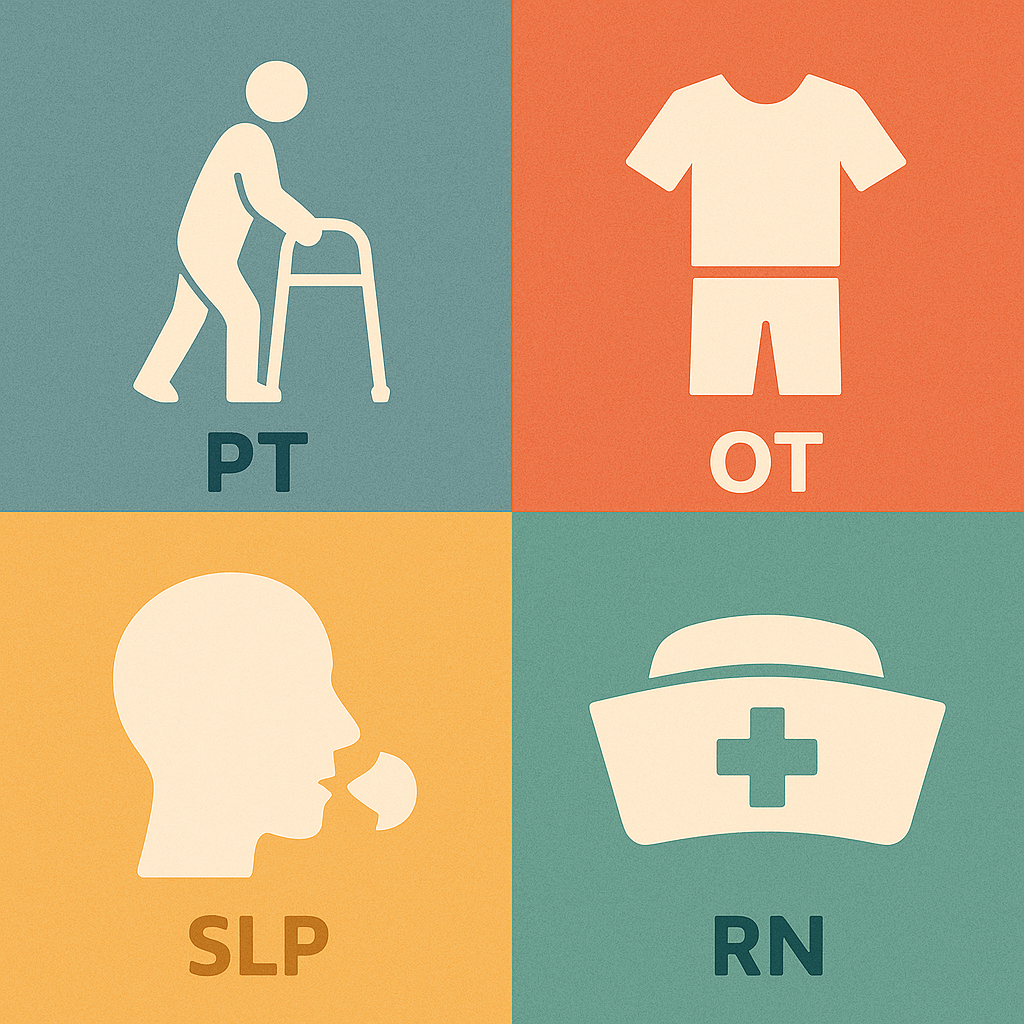
Excluded from the list are nursing (MSN, DNP, NP), physical therapy (DPT), occupational therapy (MOT/OTD), speech-language pathology, physician assistant, public health — and several non-health fields like social work, education, architecture, etc. NBC4 Washington+2Newsweek+2
Important: This redefinition is for federal loan eligibility and borrowing limits. It is not a professional licensure or accreditation decision. ED clearly states that excluding a program from “professional degree” status in loan rules is not a value judgment on its legitimacy or importance. U.S. Department of Education+1
Who This Affects — PT, OT, SLP, Nursing, and More
Graduate students (current & future) in PT, OT, SLP, nursing (MSN / DNP / NP), physician assistant, public health, social work, etc. The reclassification affects their eligibility for high-limit federal loans. NBC4 Washington+2WPR+2
New applicants (2026 onward) — under the soon-to-be effective loan caps and redefinition — are most vulnerable to reduced federal borrowing power. Spectrum News 1+1
Current students Who’ve Already Borrowed — their existing degrees remain valid; licensure and accreditation are unaffected. The change does not retroactively strip credentials.
According to the American Physical Therapy Association (APTA), the proposed redefinition of DPT (and other health-care degrees) as merely “graduate,” not “professional,” threatens physical therapy’s recognition as a doctoring profession — potentially harming future workforce supply. American Physical Therapy Association
Similarly, the American Nurses Association (ANA) has publicly condemned the move, warning that cutting access to robust federal loan support will worsen nursing shortages — especially in underserved communities. ANA+2The Independent+2
What It Means for Student Loans & Financing Your Degree
Under the new rules:
Graduate students in excluded programs (nursing, PT, OT, etc.) would qualify for a lower borrowing cap: $20,500 per year, with a $100,000 lifetime cap. NBC4 Washington+2Campus Reform+2
“Professional degree” students — those in ED’s narrow list — remain eligible for higher borrowing limits: up to $50,000 per year, and a $200,000 aggregate cap. CBS News+2U.S. Department of Education+2
This dramatically reduces the amount of guaranteed federal funding for many prospective therapists, nurses, and related professionals.
Implications:
Students may need more out-of-pocket funds, private loans, or scholarships to afford grad school.
Higher debt burden may discourage people from entering these fields — potentially worsening workforce shortages.
Schools may feel pressure to lower tuition or rework funding models — but these are long-term effects, not guaranteed solutions.
It’s important to note: the change doesn’t impact undergraduate degrees (BSN, BSc-OT, etc.). Those remain unaffected under current guidance. U.S. Department of Education+1
What This Doesn’t Change — Licensure, Accreditation & Professional Identity
If you already have a DPT, MOT/OTD, MS-SLP, MSN, or similar degree, your license, credentials, and right to practice remain valid.
Accreditation bodies for PT, OT, SLP, Nursing, etc., are unaffected by ED’s financial-aid classification.
The clinical scope of practice, state licensure boards, and employer credentialing are not governed by ED’s loan-classification rules.
So while the new classification is financially significant, especially for future students, it does not mean these professions are no longer “real” or “legitimate.”
Different Viewpoints & Controversy Around the Change
Some people argue the new definition is just bureaucratic housekeeping — meant to curb excessive student borrowing and hold programs accountable. Indeed, ED claims that the “professional degree” label was always meant for a narrow set of high-cost, high-return vocations. U.S. Department of Education+1
But many in the healthcare community see it differently:
Nursing associations warn this move could widen existing workforce shortages, especially in rural and underserved areas. ANA+2WPR+2
The APTA says it undermines the recognition of physical therapy as a “doctoring profession” — which could reduce interest in PT graduate education. American Physical Therapy Association
Some critics frame the change as a gender-biased decision, given many excluded professions are female-dominated, which may disproportionately impact women and further reduce diversity in healthcare. World Socialist Web Site+2WPR+2
Although ED says the change is neutral, the ripple effects in education access, diversity, and workforce capacity are likely to be substantial.
What You Should Do (If You’re a Student, Pre-PT/OT/SLP, or Future Clinician)
Reassess your financing plan — don’t assume Graduate PLUS or large federal loan packages will be available.
Advocate — if you care, reach out to professional associations (e.g. APTA, ANA) to support voices urging preservation of fair loan access.
Helpful Resources for Navigating the 2025 Degree & Loan Changes
Because these federal updates affect how future PT, OT, SLP, and Nursing students access funding, many applicants and current students are looking for ways to study effectively, stay organized, and financially prepare for graduate school. Below are several resources that align with the theme of this post — focusing on smart planning, efficient studying, and financial readiness during a time of stricter lending rules.
📘 Academic & Exam Prep Support (Non-Affiliate)
If you’re aiming to strengthen your academic foundation before taking on additional debt, certain study platforms can reduce stress and improve board-prep efficiency. One of the most helpful tools for me personally was PassTheOT.com, which supported me through my OTA/COTA exam preparation. (I’m not affiliated with them at the time of writing — just sharing what genuinely helped me succeed.)
For PT and SLP students, I recommend checking reputable exam-prep sites, updated NPTE and Praxis-SLP review platforms, and APTA’s official guidance to ensure your study material reflects the newest exam standards.
These aren’t affiliate links — just practical supports for students who want to maximize success without unnecessary spending.
💰 Financial Tools to Stay Ahead of New Loan Limits
With federal borrowing caps tightening, understanding your finances is more important than ever. A good budgeting planner can help track tuition payments, deadlines, and living expenses as you balance reduced loan availability — you can explore one here: Budgeting Planner.
If you’re new to understanding federal loans, interest, repayment plans, or private alternatives, reading solid financial-literacy books specifically geared toward student loans can make the entire process less stressful: Financial Literacy Books.
🎓 Grad School Essentials for Better Focus & Organization
For many students, particularly in rehab therapy and nursing, time management becomes crucial when balancing classes, labs, clinicals, and part-time work (which may be more common due to lower loan caps). A high-quality academic planner can help you stay structured and intentional with your schedule.
If you tend to study in busy environments (shared housing, cafeterias, hospital lounges), noise-canceling headphones can make a huge difference in your focus: Noise-Canceling Headphones.
🩺 Clinical Tools to Support Efficiency in Rotations & Early Practice
Once you reach the clinical phase of your program, the right gear becomes essential. Long hours on your feet — especially in PT, OT, SLP, and Nursing — require reliable footwear. Students consistently recommend supportive brands like Hoka, On Cloud, and Brooks, which you can explore here:
If your program requires on-the-go documentation or bedside note-taking, a HIPAA-compliant storage clipboard can help keep papers secure while making evaluations easier: Storage Clipboard.
Clinical measurement tools (like goniometers, pulse oximeters, or stopwatches) are also worth considering if your program encourages you to build your own practical toolkit.
Final Thoughts
This redefinition by the Department of Education is a big deal for future students — particularly those entering PT, OT, SLP, nursing, and similar fields. But it’s also a bureaucratic/financial shift — not a professional downgrade.
If you already have your license or are currently practicing, nothing about your professional identity changes. But if you’re thinking about going back to school, now’s the time to re-examine your financing plan, consider scholarships or alternate funding, and be prepared for tighter borrowing limits.
I’ll continue tracking developments as the final rules roll out (expected mid-2026). In the meantime, sign up for my free quick-reference sheets and guidebooks — and stay on top of changes that could affect your future as a clinician.
Question for the readers: If you were planning to go back for an advanced degree in PT, OT, SLP, or Nursing — would this change make you hesitate? Or would you still apply and find alternate funding? Drop your thoughts in the comments — I’m curious what others are thinking.