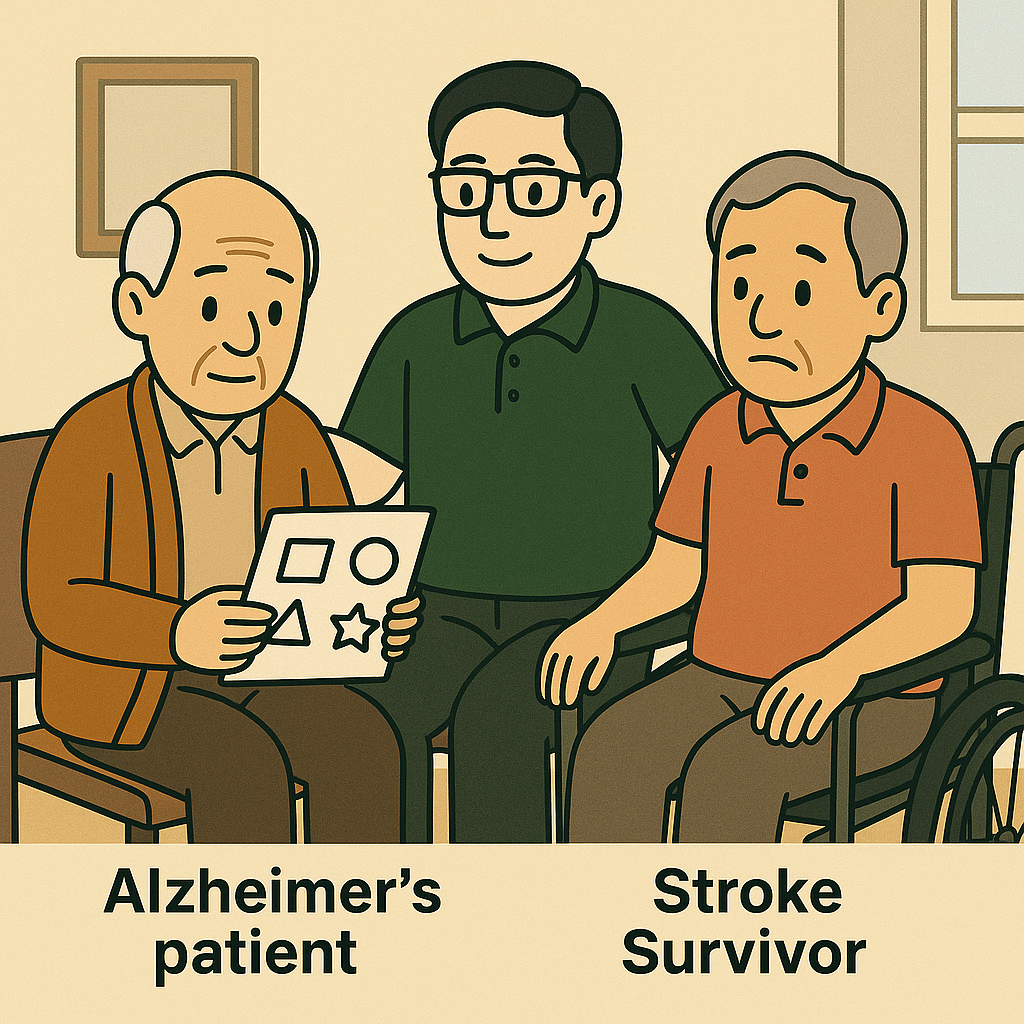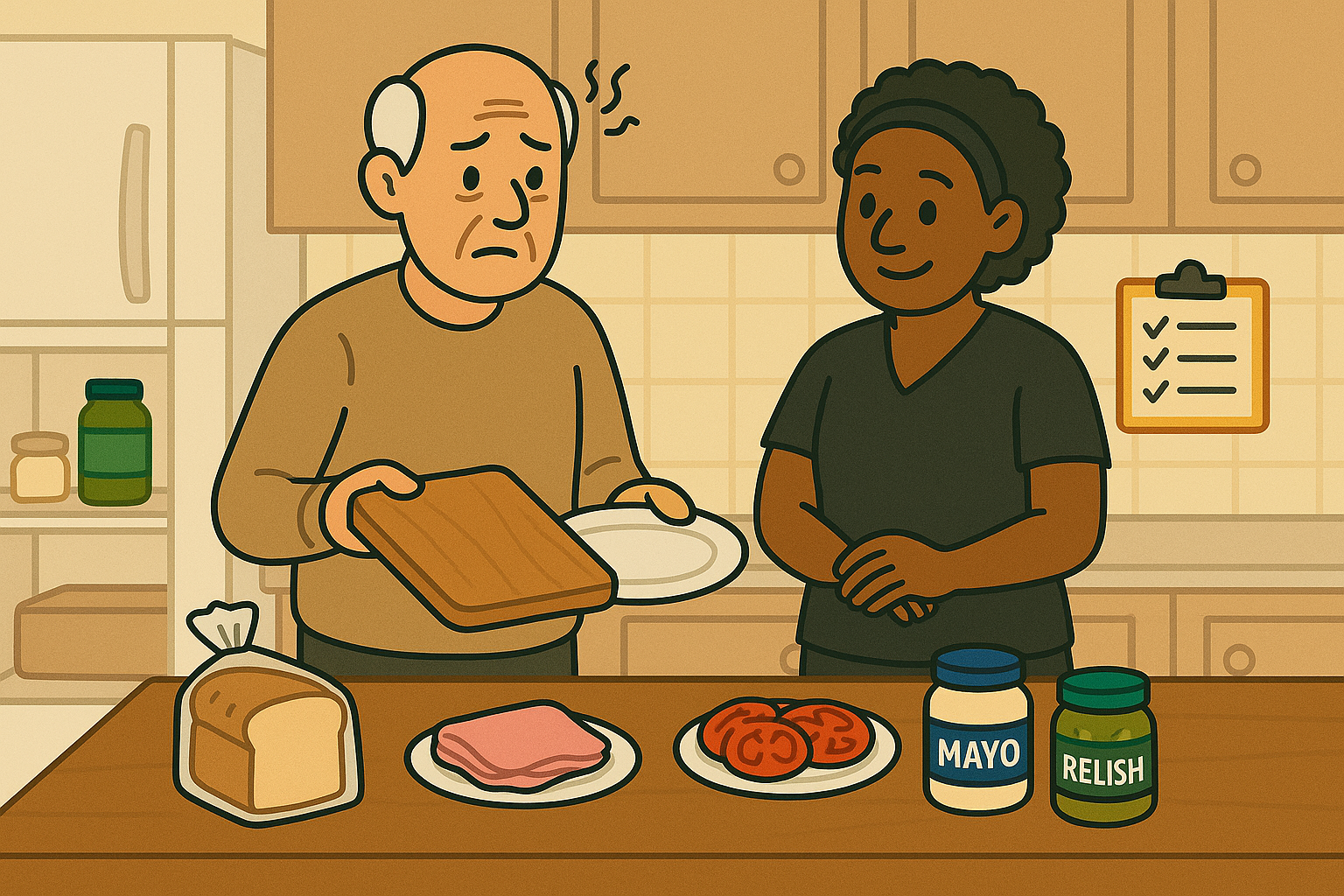
Ever walk into a room and forget why you were there?
Now imagine that—but constantly. For individuals recovering from a stroke, traumatic brain injury (TBI), or neurological illness, this isn’t just a moment of forgetfulness—it’s daily life. That’s where cognitive rehabilitation steps in, and rehab therapists play a leading role in making brain recovery possible.
Whether it’s retraining memory, improving attention, or helping someone safely return to their routines, Occupational Therapists (OTs), Physical Therapists (PTs), and Speech-Language Pathologists (SLPs) form the backbone of interdisciplinary brain rehab. Let’s explore how they work together to restore cognitive health and independence.
⚠️ Affiliate Disclosure
This post may contain affiliate links. If you click through and purchase, we may earn a small commission at no extra cost to you. All recommendations are based on real therapy use cases.
🧠 What Is Cognitive Rehabilitation Therapy?
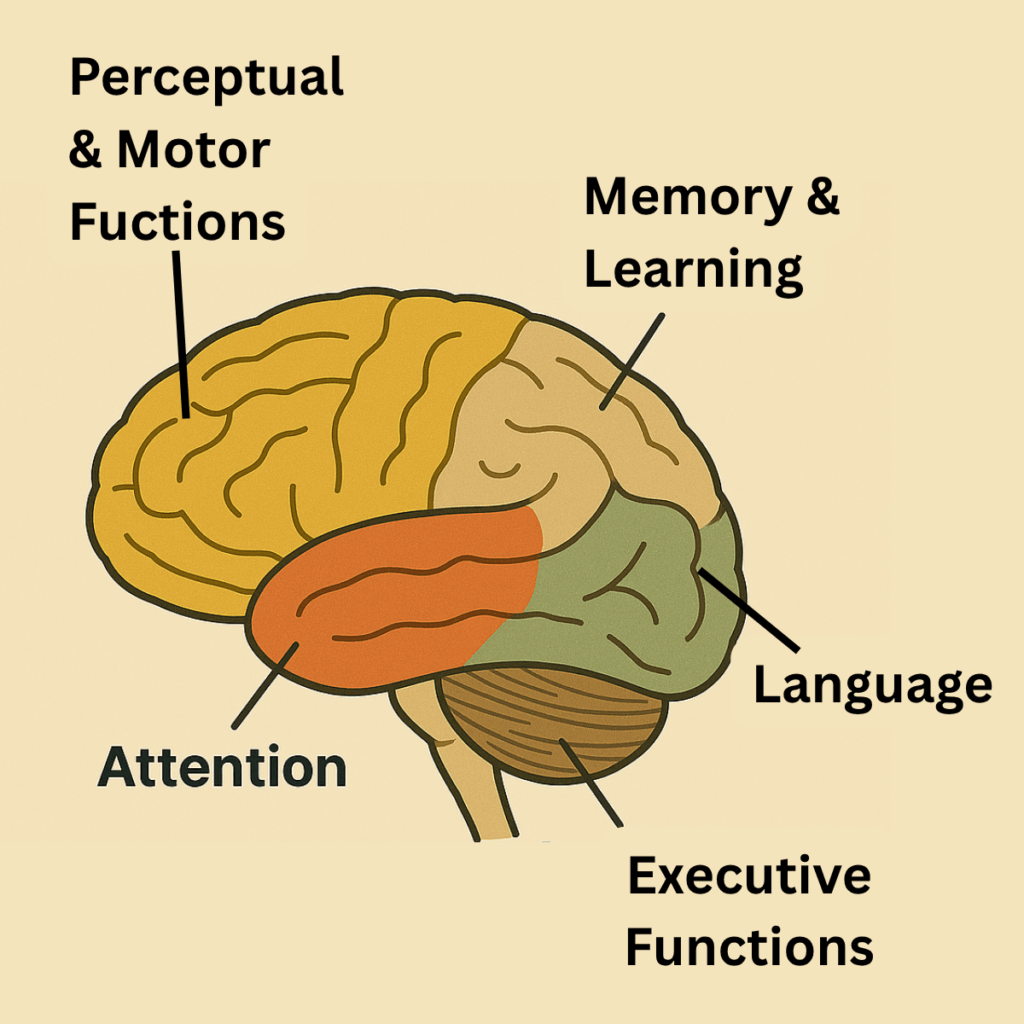
Cognitive rehabilitation therapy (CRT) is a structured approach to rebuilding skills like memory, attention, organization, and problem-solving that are often impaired after:
- Stroke
- Brain injuries
- Neurological diseases (like Alzheimer’s or Parkinson’s)
- Brain tumors
- Encephalitis
- Post-COVID “brain fog”
CRT is goal-oriented, personalized, and often delivered by a team of therapists across multiple disciplines. The collaboration of OT, PT, and ST is essential in helping patients regain cognitive abilities and apply them functionally.
🧩 Occupational Therapy for Memory, Sequencing & Executive Function

Occupational Therapists help patients re-engage in daily tasks while addressing cognitive deficits such as memory loss, poor planning, and reduced attention. Interventions may include:
- Task sequencing activities like cooking or medication routines
- Memory aids such as magnetic dry erase boards or pill organizers
- Executive function games like the ThinkFun Brain Fitness Game or memory flashcards
- Visual-motor tasks using tools like peg boards with pattern cards
OTs often focus on real-world application, building strategies patients can use at home or work.
🏋️ Physical Therapy and Neuroplasticity in Motion
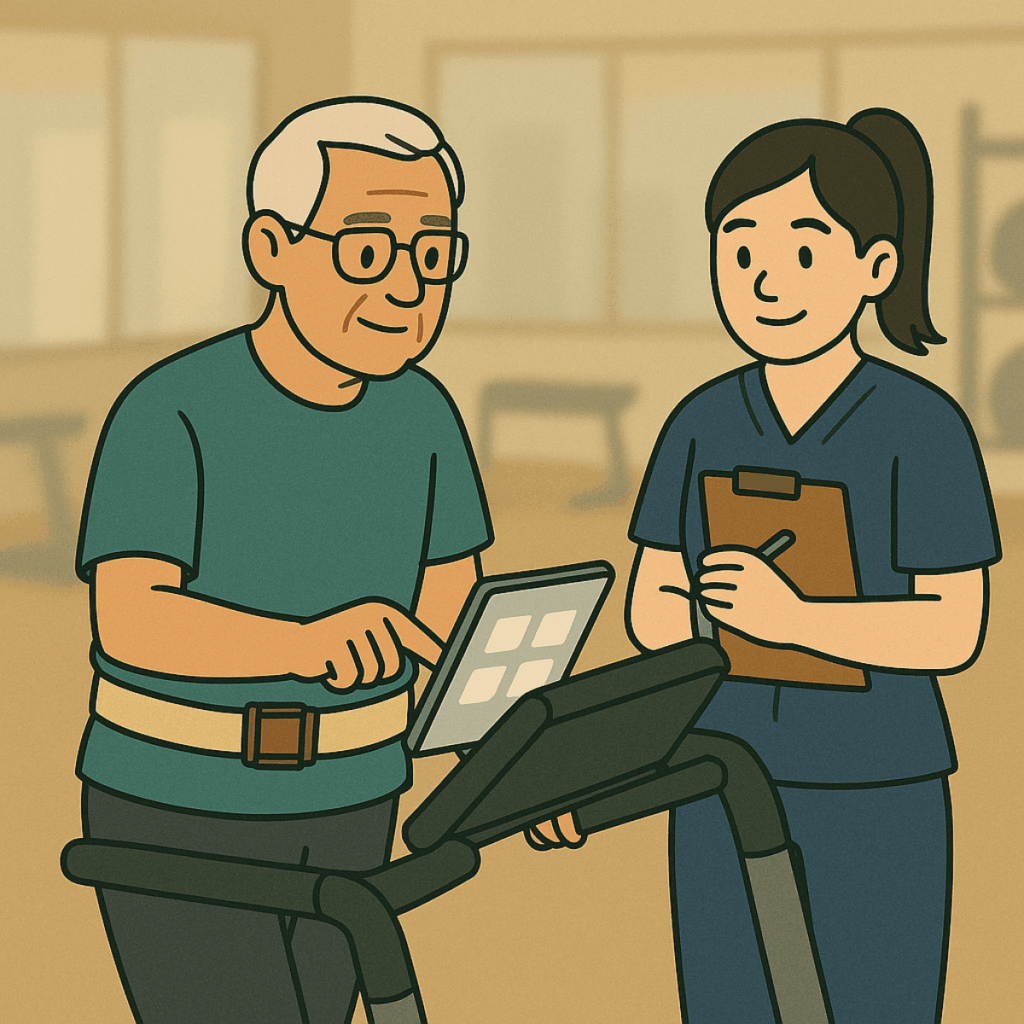
Physical Therapists help restore physical function—but they also play a hidden cognitive role. Many PTs use dual-task training, combining movement with mental challenges to stimulate the brain.
Examples include:
- Balancing while answering questions
- Walking while recalling word lists
- Coordinating movement with attention-based tasks
Helpful tools:
This supports neuroplasticity—the brain’s ability to adapt and rewire—and is essential for post-injury recovery.
🗣️ Speech Therapy for Cognitive-Communication Skills

Speech-Language Pathologists (SLPs) specialize in the cognitive-linguistic aspects of rehab, particularly for:
- Memory and attention impairments
- Problem-solving and organization
- Verbal reasoning and communication clarity
- Word-finding and comprehension
They may use:
- Memory Workbooks for Language and Cognition
- Cognitive-Communication Disorders Workbooks
- Z-Vibe Oral Motor Tools for sensory input during cognitive tasks
STs create therapy plans that blend language rehab with mental organization—key for regaining independence.
👥 Why Interdisciplinary Cognitive Rehab Works

Research continues to show that collaborative therapy yields better results. According to a 2021 review in NeuroRehabilitation, patients engaged in interdisciplinary rehab programs experienced improved attention, memory, and quality of life outcomes.
In practice, this means:
- OTs support function
- PTs build cognitive-motor connections
- SLPs strengthen language and thought processing
This wraparound approach ensures that gains are reinforced across disciplines.
🛠️ Cognitive Tools That Support Recovery at Home

Therapy doesn’t end after a session—it extends to the home. Here are therapist-recommended tools to enhance memory, focus, and safety in day-to-day life:
- Dry erase memory boards & visual cue cards
- Brain games & activity books for practice
- Noise-canceling headphones to minimize distractions
- Adaptive calendars & talking clocks
- Digital voice recorders & kitchen timers for executive function support
🎁 Don’t Forget the Caregivers: Support Tools That Help
Recovery is a team effort—and caregivers need support too. Helpful resources include:
- The Brain Injury Workbook for structured guidance
- Planner systems to stay organized
- Fidget tools to support self-regulation
- Blue-light blocking glasses for post-TBI cognitive fatigue
Equipping caregivers means better continuity of care, and less stress for everyone involved.
💬 Final Thoughts: Cognitive Recovery Is a Group Effort

There’s no one-size-fits-all approach to cognitive rehab. But when OT, PT, and ST work together—while patients use the right tools at home—recovery becomes possible, practical, and empowering.
🧾 Want to streamline therapy planning or care support?
✅ Download our Free Quick Reference Sheets
📘 Grab the Occupational Therapy Pocket Guide (available now)
📗 Speech Therapy Guide is coming soon
📙 Physical Therapy Guide launches in October
💭 What’s Worked for You?
What’s one cognitive rehab tool or strategy that made a real difference in your sessions or recovery?
👇 Share in the comments—we’re better together.
Originally posted 2025-06-20 06:04:45.