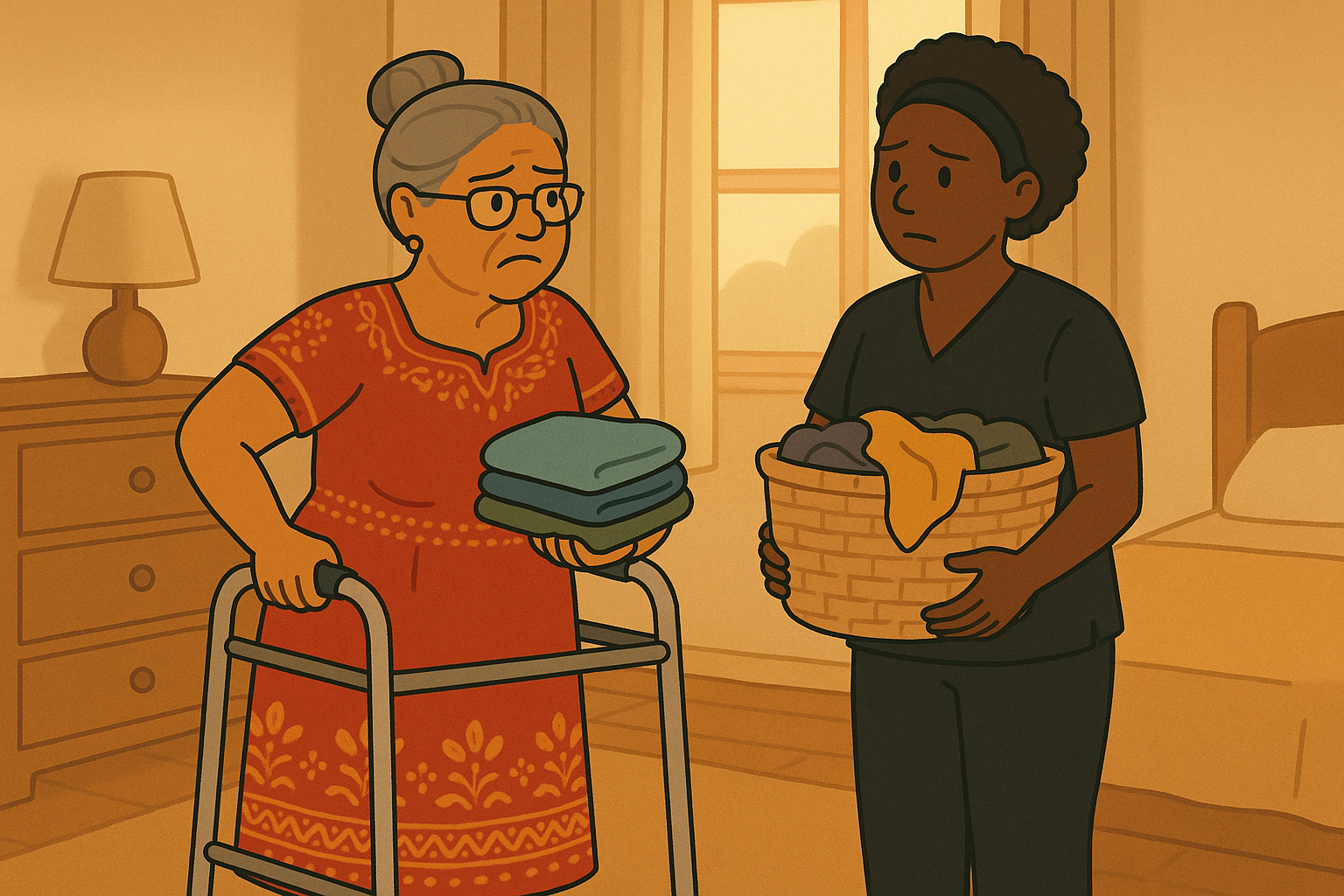
Ever walk into a room and forget why you were there?
Now imagine that—but constantly. For individuals recovering from a stroke, traumatic brain injury (TBI), or neurological illness, this isn’t just a moment of forgetfulness—it’s daily life. That’s where cognitive rehabilitation steps in, and rehab therapists play a leading role in making brain recovery possible.
Whether it’s retraining memory, improving attention, or helping someone safely return to their routines, Occupational Therapists (OTs), Physical Therapists (PTs), and Speech-Language Pathologists (SLPs) form the backbone of interdisciplinary brain rehab. Let’s explore how they work together to restore cognitive health and independence.
⚠️ Affiliate Disclosure
This post may contain affiliate links. If you click through and purchase, we may earn a small commission at no extra cost to you. All recommendations are based on real therapy use cases.
🧠 What Is Cognitive Rehabilitation Therapy?
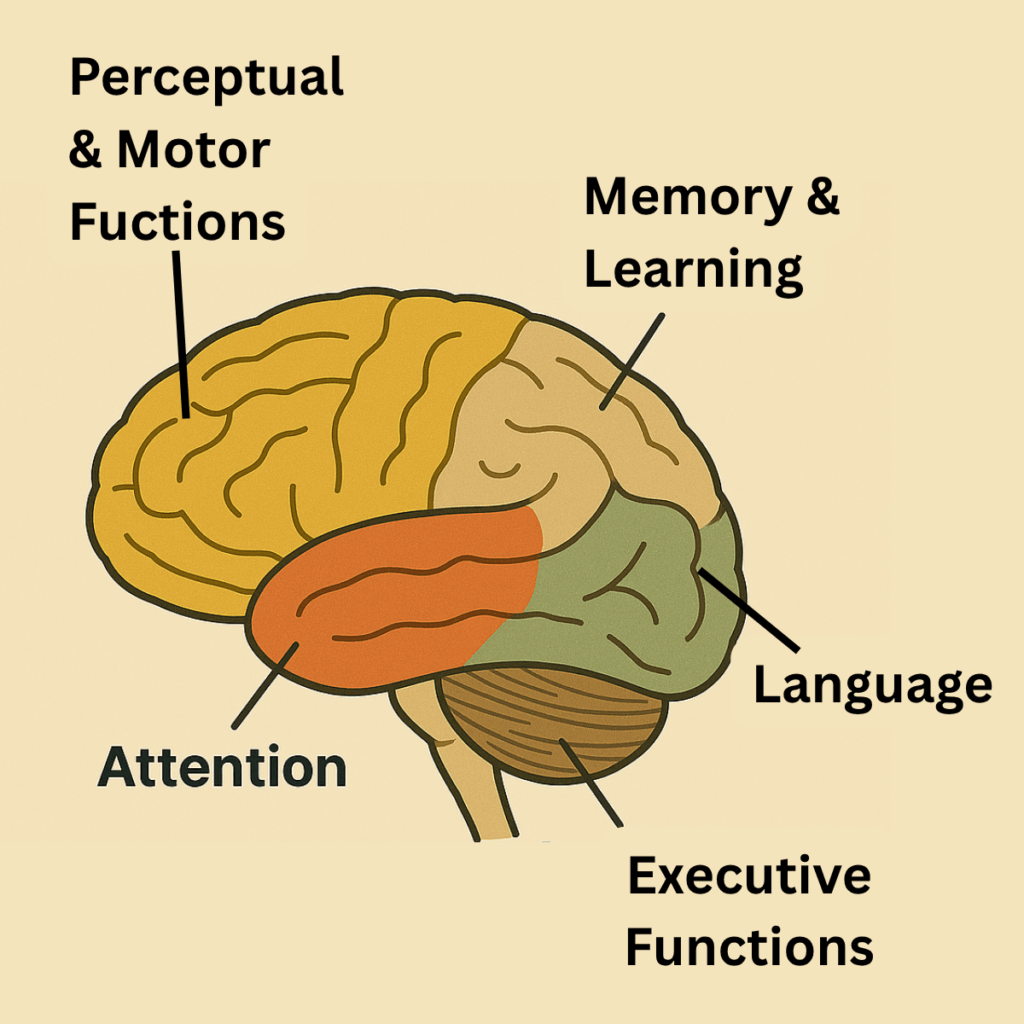
Cognitive rehabilitation therapy (CRT) is a structured approach to rebuilding skills like memory, attention, organization, and problem-solving that are often impaired after:
Stroke
Brain injuries
Neurological diseases (like Alzheimer’s or Parkinson’s)
Brain tumors
Encephalitis
Post-COVID “brain fog”
CRT is goal-oriented, personalized, and often delivered by a team of therapists across multiple disciplines. The collaboration of OT, PT, and ST is essential in helping patients regain cognitive abilities and apply them functionally.
🧩 Occupational Therapy for Memory, Sequencing & Executive Function
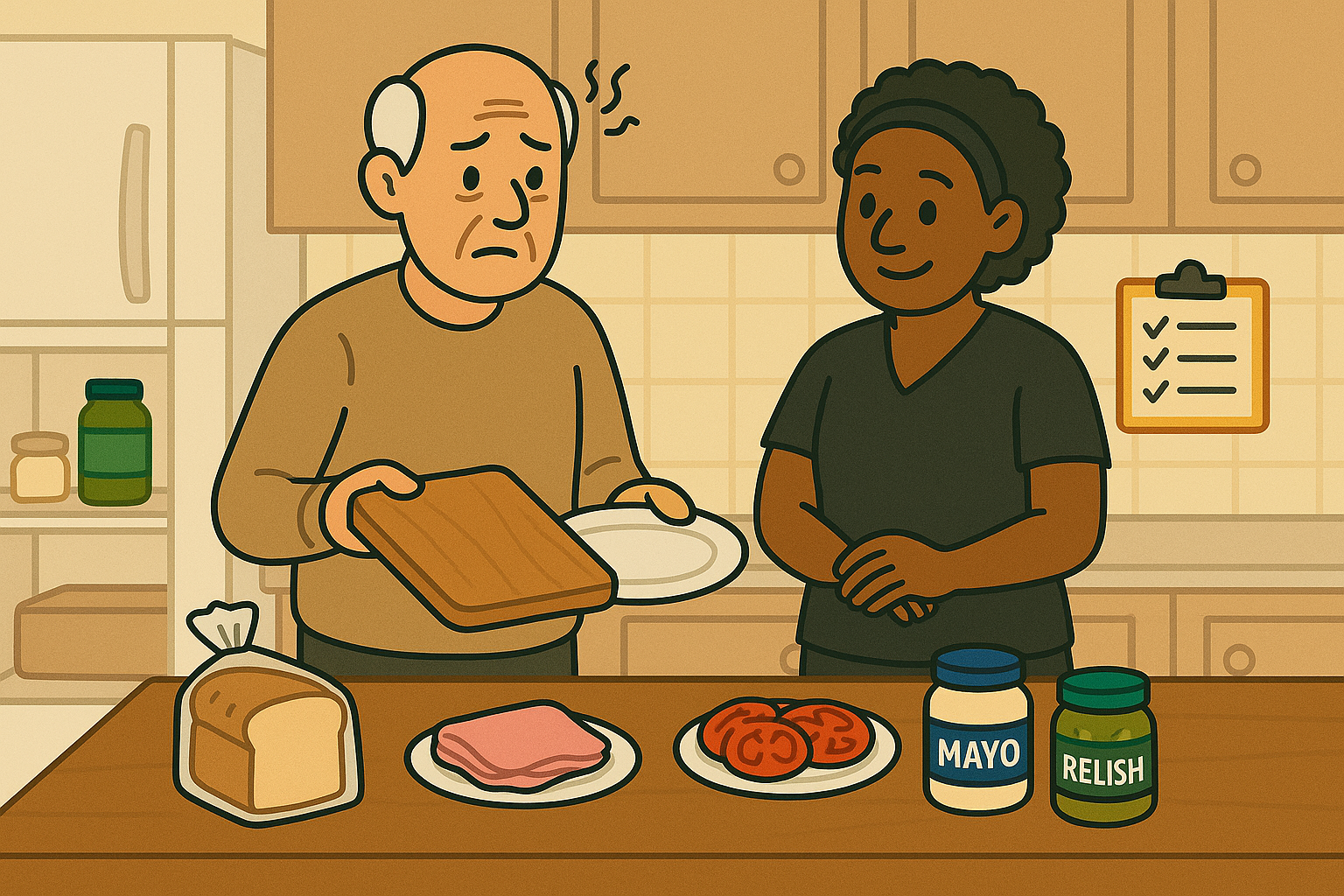
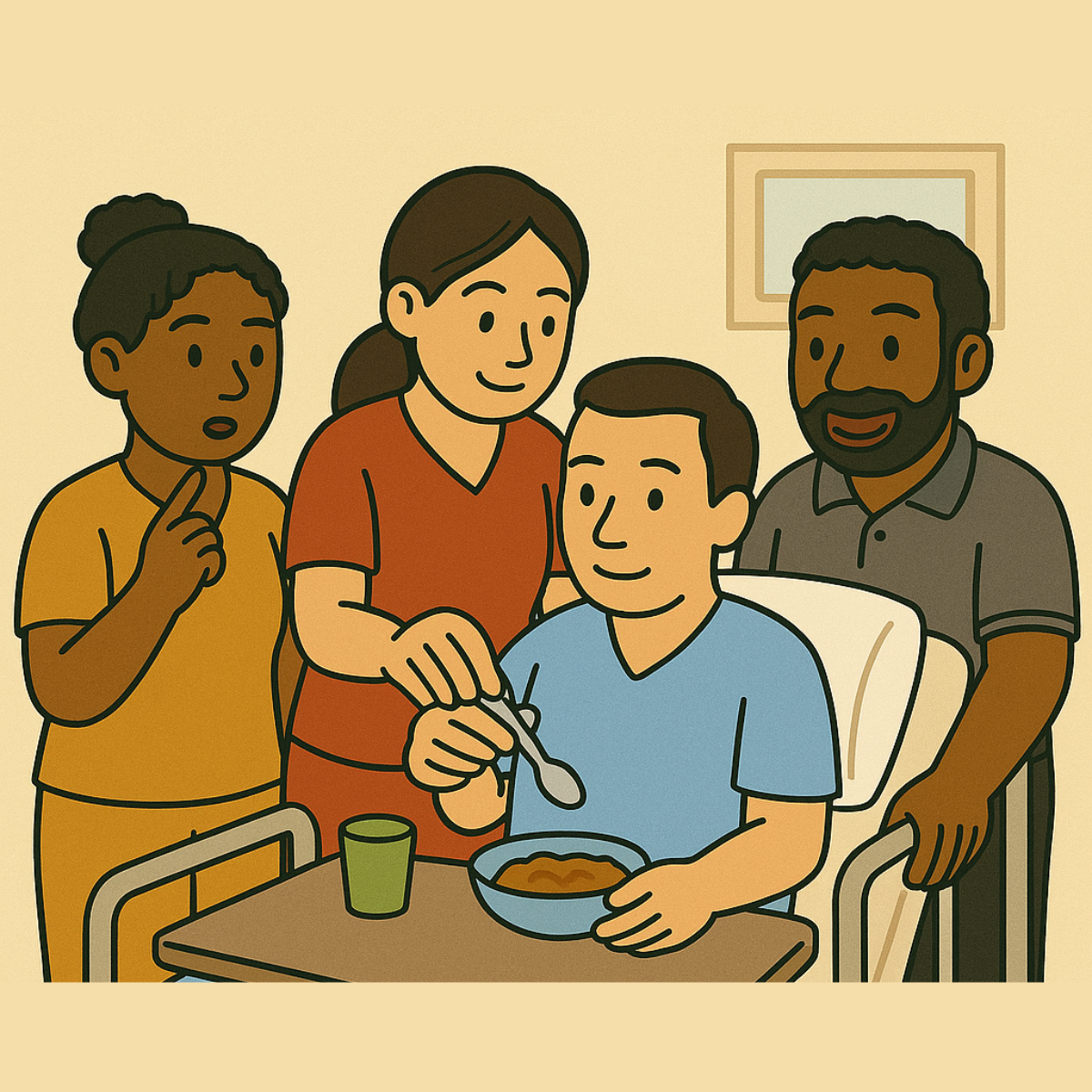
Occupational Therapists help patients re-engage in daily tasks while addressing cognitive deficits such as memory loss, poor planning, and reduced attention. Interventions may include:
Task sequencing activities like cooking or medication routines
OTs often focus on real-world application, building strategies patients can use at home or work.
🏋️ Physical Therapy and Neuroplasticity in Motion
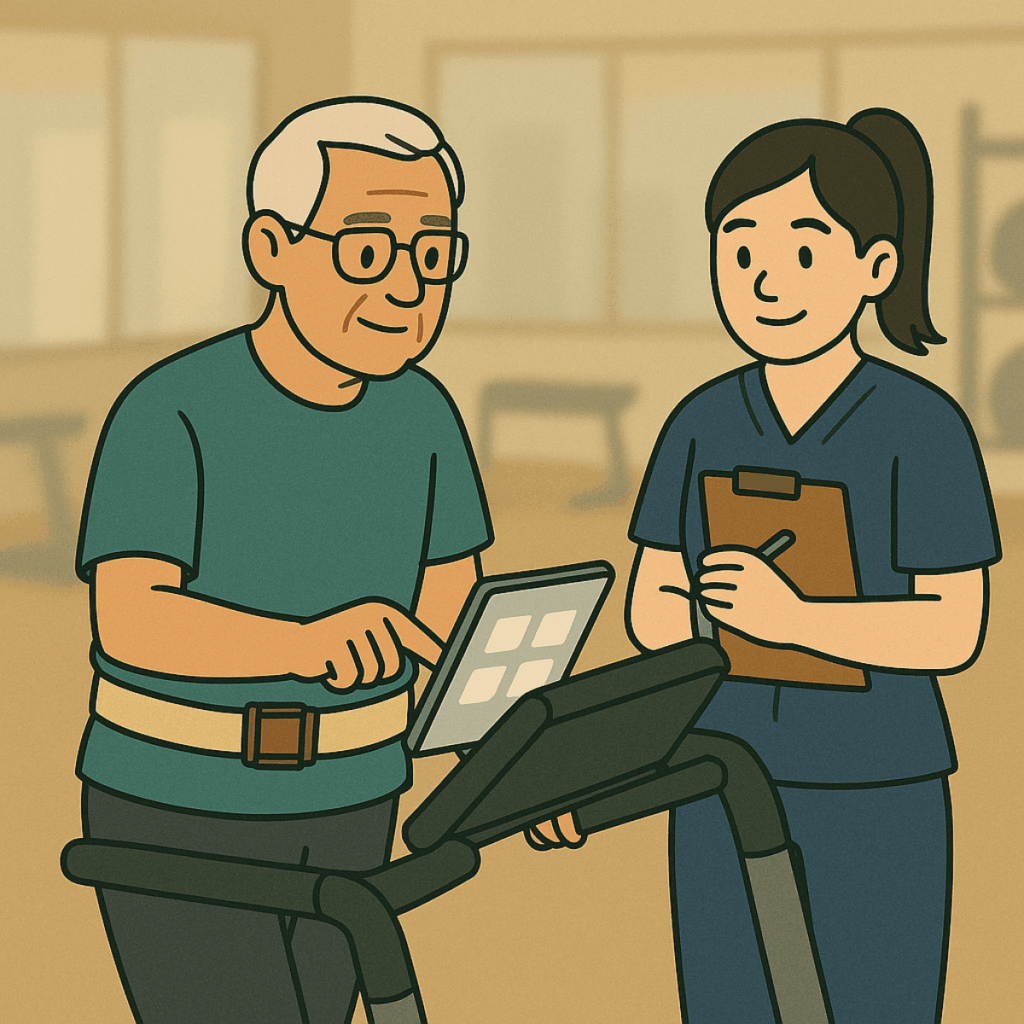
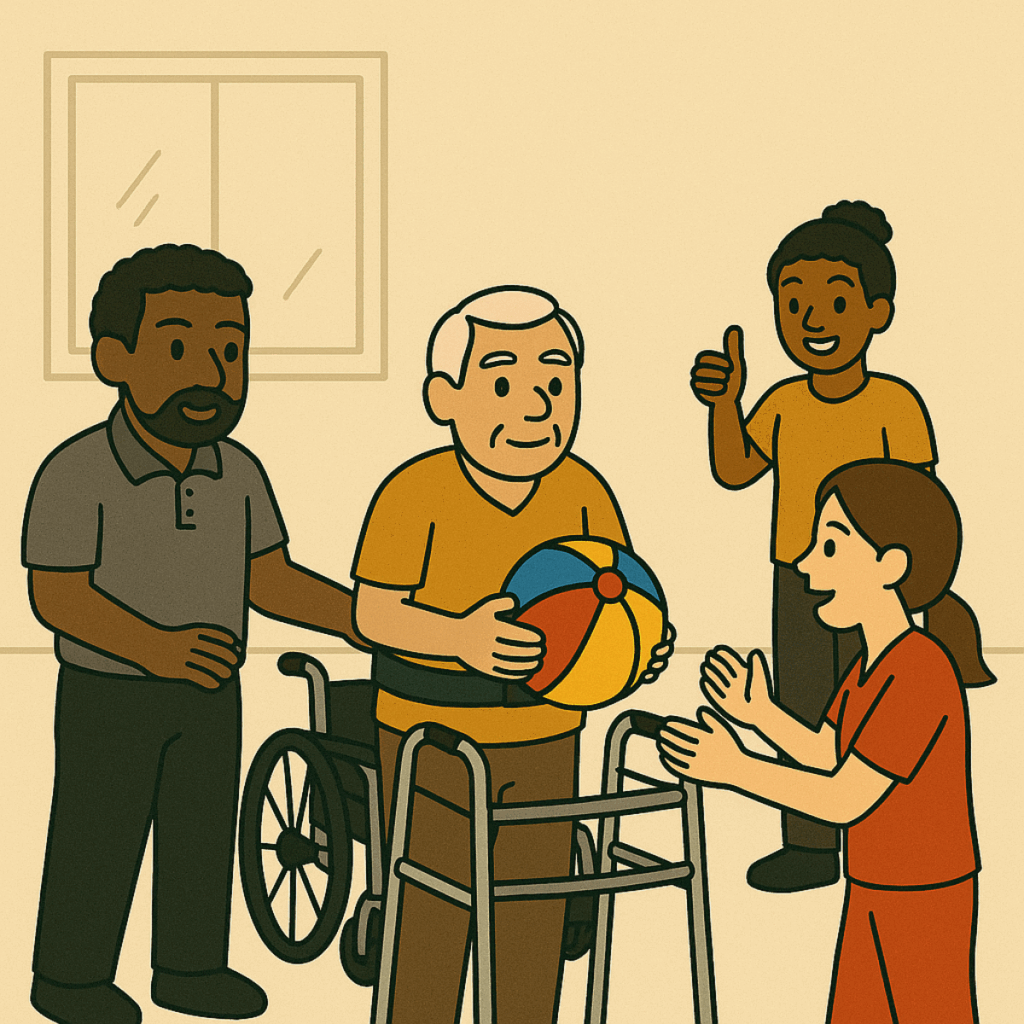
Physical Therapists help restore physical function—but they also play a hidden cognitive role. Many PTs use dual-task training, combining movement with mental challenges to stimulate the brain.
STs create therapy plans that blend language rehab with mental organization—key for regaining independence.
👥 Why Interdisciplinary Cognitive Rehab Works
Research continues to show that collaborative therapy yields better results. According to a 2021 review in NeuroRehabilitation, patients engaged in interdisciplinary rehab programs experienced improved attention, memory, and quality of life outcomes.
In practice, this means:
OTs support function
PTs build cognitive-motor connections
SLPs strengthen language and thought processing
This wraparound approach ensures that gains are reinforced across disciplines.
🛠️ Cognitive Tools That Support Recovery at Home
Therapy doesn’t end after a session—it extends to the home. Here are therapist-recommended tools to enhance memory, focus, and safety in day-to-day life:
Equipping caregivers means better continuity of care, and less stress for everyone involved.
💬 Final Thoughts: Cognitive Recovery Is a Group Effort
There’s no one-size-fits-all approach to cognitive rehab. But when OT, PT, and ST work together—while patients use the right tools at home—recovery becomes possible, practical, and empowering.
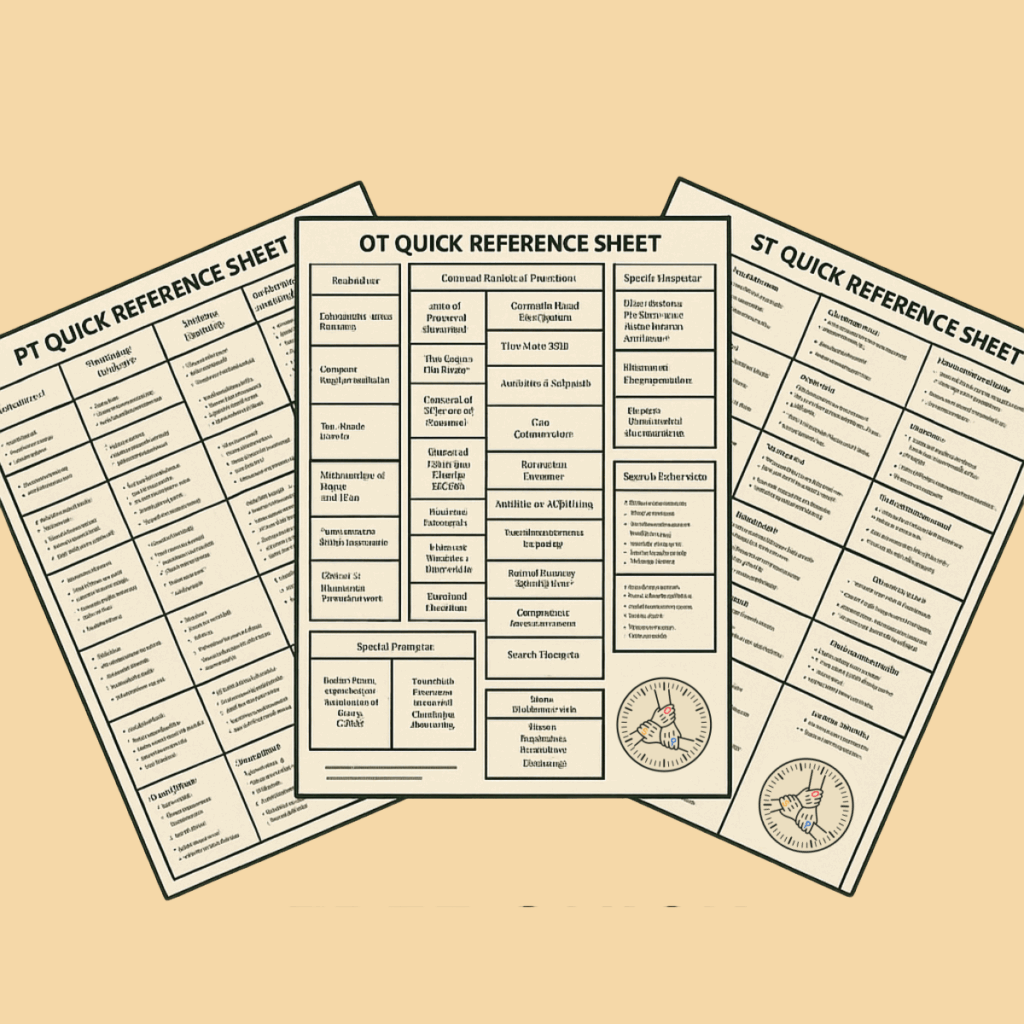
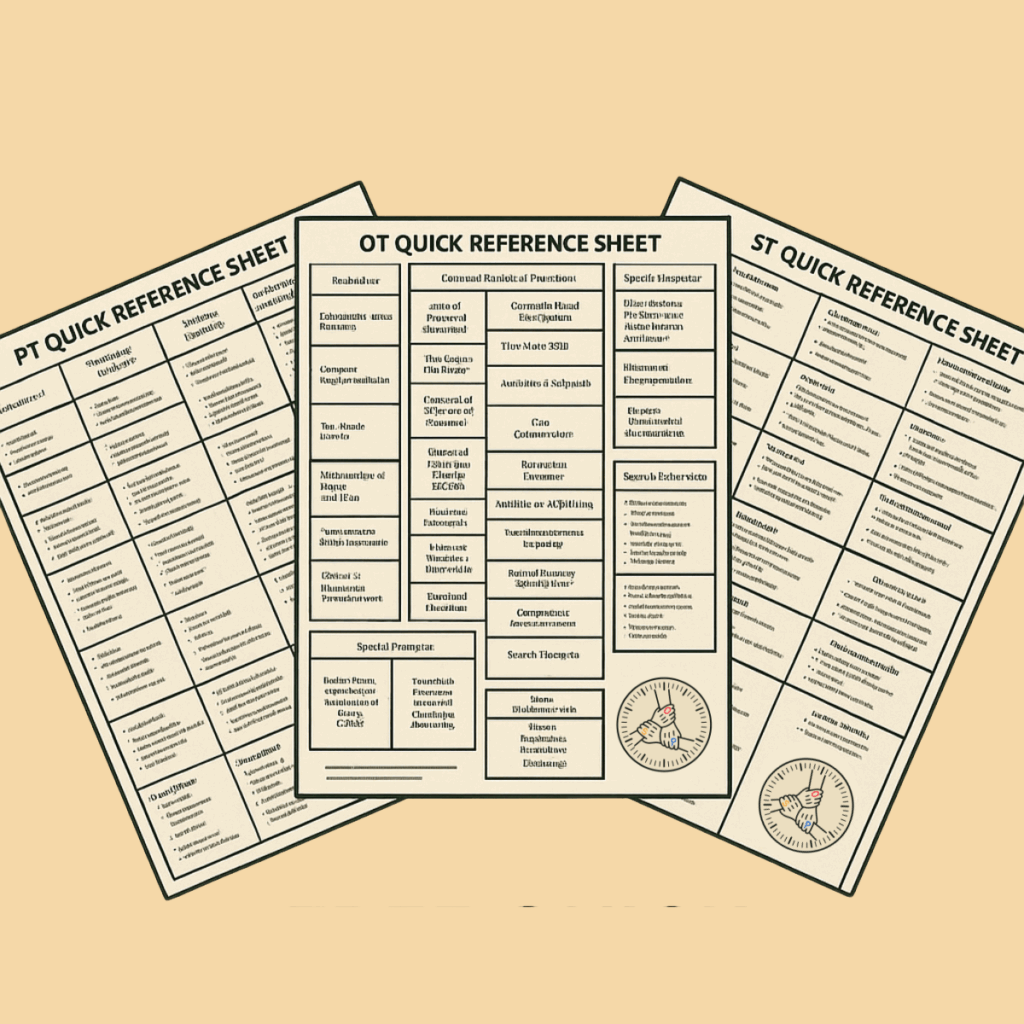
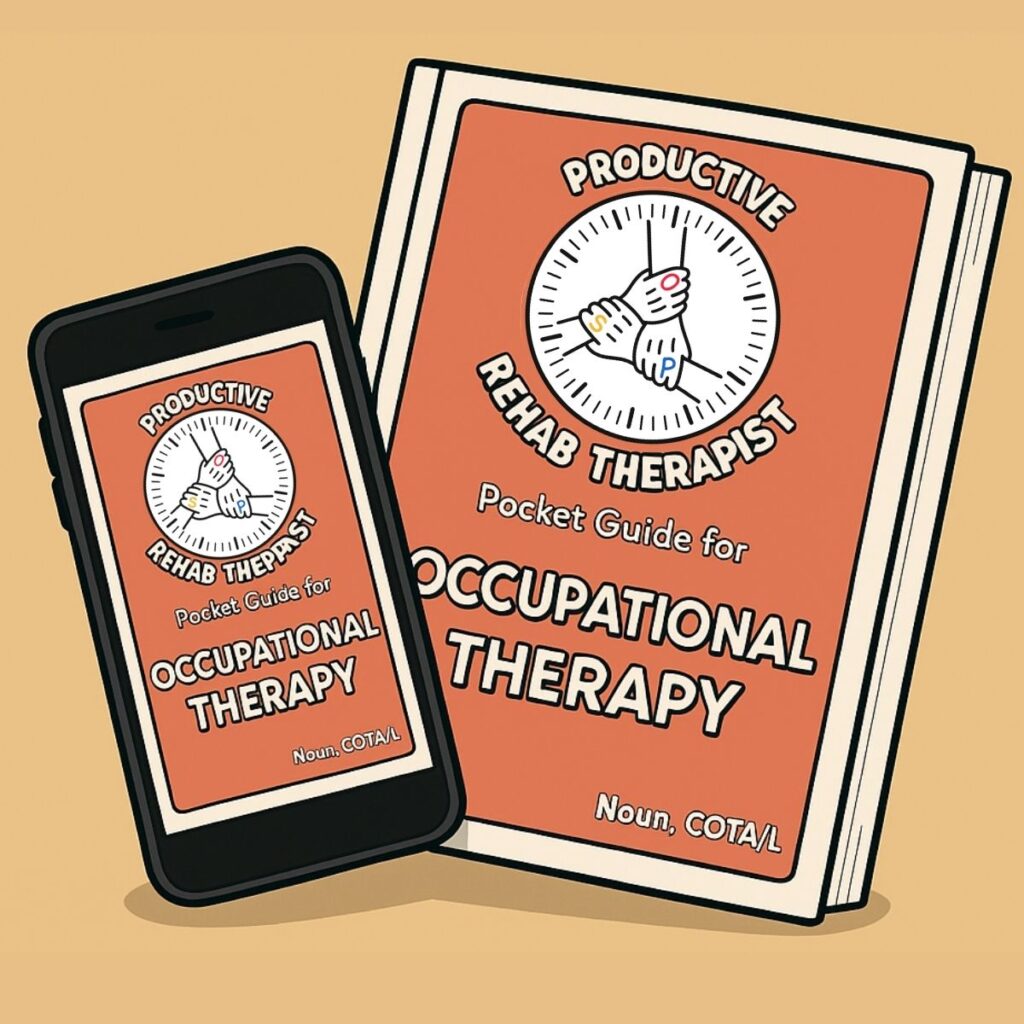
🧾 Want to streamline therapy planning or care support? ✅ Download our Free Quick Reference Sheets 📘 Grab the Occupational Therapy Pocket Guide (available now)
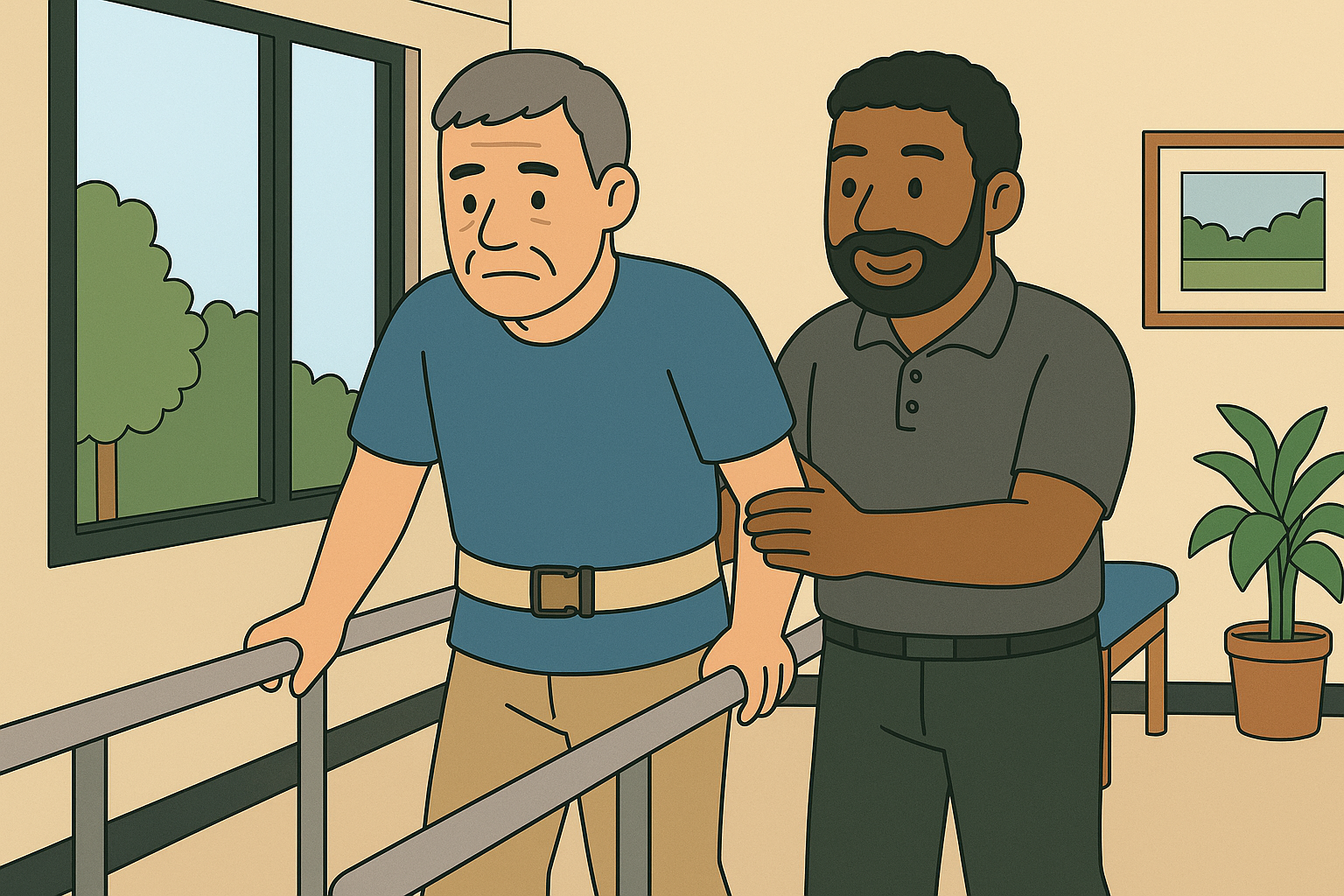
When we think of rehab therapy—whether physical, occupational, or speech—it’s easy to picture women, children, or older adults. But what about the men? This June, as we honor Men’s Health Month and Father’s Day, it’s time to talk about why men need rehab therapy too—and what we can do to get them engaged in the process.
Whether it’s recovering from a stroke, managing chronic pain, regaining mobility after surgery, or addressing communication challenges, men often face these struggles quietly. Societal expectations, emotional barriers, and outdated norms around masculinity can prevent them from seeking the help they need.
It’s time to change that.
🛑 Affiliate Disclosure
Some links in this post are affiliate links, which means I may earn a small commission at no extra cost to you if you choose to make a purchase. I only recommend products I believe are valuable and relevant to rehab professionals and caregivers.
Why Men Avoid Rehab (And Why That Needs to Change)
Despite the clear benefits of rehab therapy, men are less likely to seek care, stick with their plans, or openly talk about their recovery needs. Research shows that stigma, fear of appearing weak, and a tendency toward self-reliance are major obstacles. 👉 According to the CDC, men are significantly less likely than women to visit a doctor regularly—and that includes rehab professionals.
But here’s the reality: Rehab is strength-building, not weakness. And the sooner that message becomes part of how we care for men, the better outcomes we’ll see—in both physical and emotional health.
Engaging Men in Physical Rehab: Tools That Appeal
To make rehab approachable and motivating, many therapists use gear that reinforces strength, control, and progress—especially for men who value physical performance.
Here are some tools that work well in male-centered therapy:
Adjustable Dumbbells: Great for graded strength training in the clinic or at home.
By integrating familiar equipment and using progress-based tracking, men are more likely to engage, stay consistent, and feel ownership of their rehab journey.
Addressing Men’s Mental Health: Therapy Isn’t Just Physical
Men are often expected to be emotionally stoic—but behind that mask, many struggle with anxiety, depression, and feelings of isolation, especially during recovery.
Therapists can support mental wellness by recommending small, private tools that promote reflection and emotional regulation:
Habit Tracker – A simple way to stay motivated and accountable.
Speech and Cognitive Therapy for Male Patients
Men recovering from stroke, TBI, or neurological conditions often require speech-language or cognitive therapy. Here’s how to tailor tools for greater impact:
Memory Workbook – A functional and confidence-boosting approach to memory rehab.
These simple additions can ease routines, reduce caregiver stress, and increase therapy success.
Final Thoughts: Helping Men Heal Stronger
Rehab therapy isn’t just for injuries—it’s a gateway to strength, independence, and connection. This Men’s Health Month, let’s break the silence around men’s rehab needs and celebrate Father’s Day by encouraging the men in our lives to prioritize their health.
💡 Whether you’re a therapist, caregiver, or loved one, you can make a difference.
🎯 Want Rehab Support at Your Fingertips?
Download your free Quick Reference Sheets for OT, PT, and ST—loaded with tools, treatment ideas, and client-centered strategies.
When my grandmother had her stroke, I remember seeing three different therapists walk into her room—one after the other. First came the speech therapist, then the occupational therapist, and finally the physical therapist. They were kind, knowledgeable, and patient. But what really amazed me was how they worked together like a well-oiled machine.
That experience opened my eyes to something that too often goes unnoticed in healthcare: the power of collaboration in rehabilitation. Individually, each therapist brings essential expertise to the table—but when they unite, SLP, OT, and PT become a force for transformational recovery.
Let’s take a deeper look into why interdisciplinary teamwork is not just ideal—but essential—for patient-centered care.
💡 Affiliate Disclosure: This post may contain affiliate links. If you click and purchase, I may earn a small commission at no extra cost to you. As an Amazon Associate, I earn from qualifying purchases. I only recommend tools I trust and use.
🧠 What Is Interdisciplinary Rehab—and Why Does It Matter?
In interdisciplinary rehab, therapists from different specialties—speech-language pathologists (SLPs), occupational therapists (OTs), and physical therapists (PTs)—collaborate with a shared treatment plan. Unlike a multidisciplinary approach, where each discipline works in parallel, interdisciplinary teams coordinate in real-time to improve patient outcomes, reduce therapy overlap, and enhance communication.
This approach leads to:
More cohesive goal-setting
Fewer redundancies in care
Better progress tracking
Enhanced patient satisfaction
📌 According to the World Health Organization, integrated rehab services improve function, reduce hospital stays, and support long-term independence.
🤝 The Unique Role Each Therapist Plays
Let’s break down what each professional brings to the table—and how they complement one another.
Receives comprehensive care that treats the whole person, not just one issue
Feels more supported, seen, and empowered
Shows faster and more sustainable progress
Gains consistent reinforcement across therapies
A 2018 review published in the Journal of Rehabilitation Medicineemphasized that interdisciplinary teamwork is essential in physical and rehabilitation medicine, improving not only functional outcomes but also communication, patient satisfaction, and long-term success. By sharing goals, coordinating strategies, and delivering cohesive care, SLPs, OTs, and PTs can dramatically enhance a patient’s quality of life—especially in complex rehab scenarios.
Recovery isn’t linear—and it’s certainly not solitary. When SLPs, OTs, and PTs work together, the road to healing becomes smoother, faster, and more empowering for everyone involved.
Whether you’re a therapist, student, caregiver, or patient—recognize the value of collaboration in every step toward independence.
📥 Want Free Therapy Tools at Your Fingertips?
Download your free quick reference sheets for OT, PT, and ST—perfect for therapists, students, or anyone in the field.
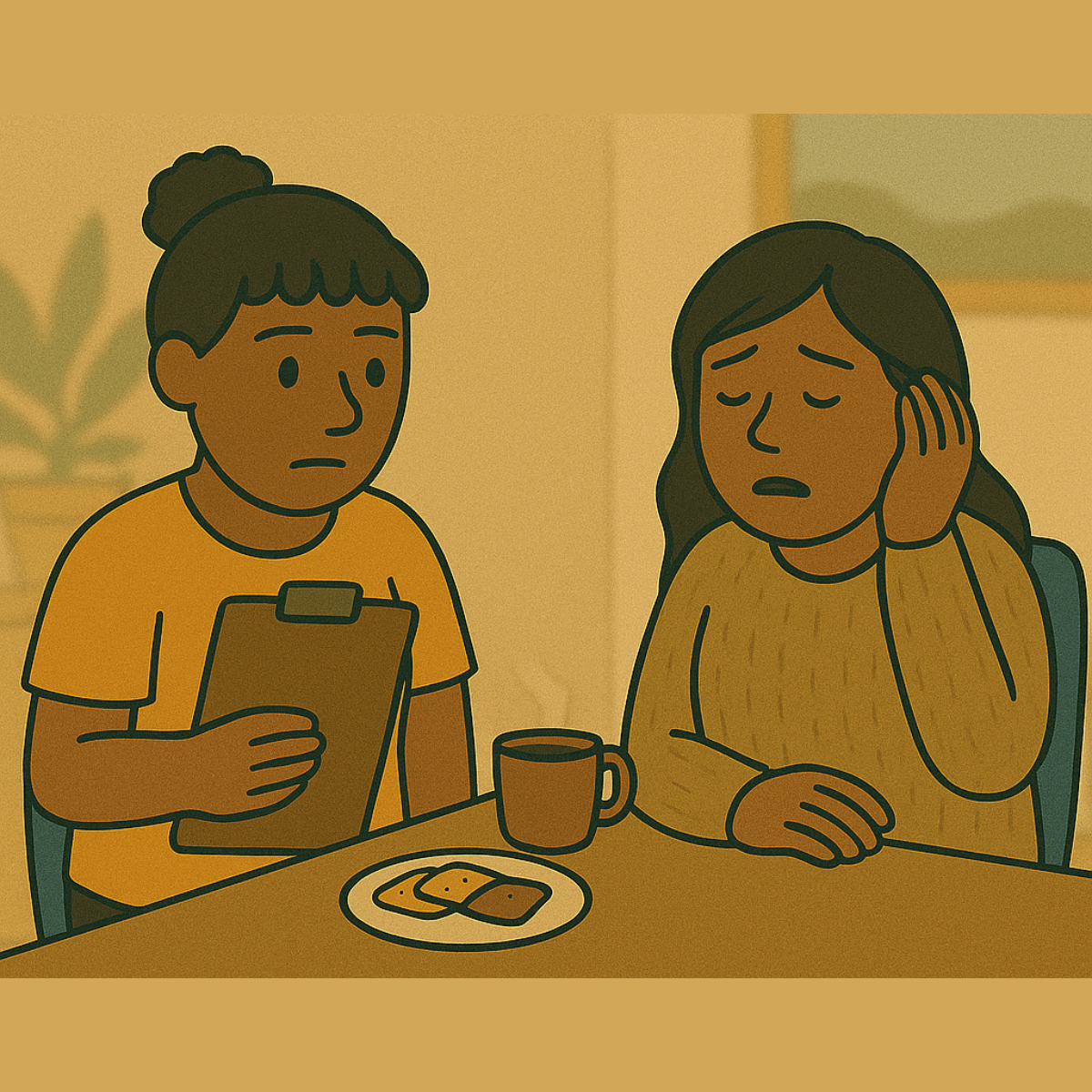
You’ve just finished a productive home-visit. Your client—a Latina grandmother recovering from a hip fracture—quietly mentions how anxious she’s felt since surgery. She hasn’t told her primary doctor yet; the last time she tried, “they just gave me another pill.” Stories like hers are common: mental-health needs are spoken, yet unmet, across many minority communities.
July is Minority Mental Health Awareness Month, and the numbers remain sobering. In 2023, serious psychological distress touched 11.4 % of Black adults, 13.8 % of Hispanic adults, and a striking 15.4 % of American Indian/Alaska Native adults.Bay Area Clinical Associates Yet people of color are still less likely to receive culturally responsive mental-health care—and more likely to hit barriers when they try. Only 36 % of Hispanic and 39 % of Black adults who reported fair or poor mental health received services in the prior three years, compared with 50 % of White adults.KFF
How Barriers Widen the Mental-Health Gap
Structural hurdles: insurance coverage, high out-of-pocket costs, and limited clinicians of similar background.
Stigma & mistrust: past negative encounters make it harder to seek help.KFF
Language & cultural mismatch: assessments and education materials often ignore linguistic nuance or cultural beliefs.
Where Rehab Therapy Fits In
Rehab clinicians already address cognition, daily routines, and quality of life—touchpoints that naturally overlap with mental-health goals:
OT, PT & ST interventions reduce psych distress. An updated 2024 meta-analysis confirmed that cognitive rehabilitation significantly improved depressive symptoms and executive function in adults with depression.PubMed
Culturally tailored OT services matter. A 2025 qualitative study found that perinatal OT practitioners identified stigma, fear, and language as primary barriers for ethnic-minority mothers—yet also uncovered enablers such as peer support and community partnerships.PubMed
Digital therapeutics expand reach. In 2024 the FDA cleared Rejoyn, the first app-based depression treatment, illustrating how tech can supplement care when clinician access is limited.TIME
Building Culturally Competent Care (OT | PT | ST)
Action ideas:
Screen & listen Use brief, validated tools in the client’s preferred language and follow up with open-ended questions.
Co-create goals Embed cultural values (e.g., faith practices, multigenerational caregiving) into your functional objectives.
Leverage interdisciplinary teamwork Pair mobility sessions with mindfulness coaching, or embed communication strategies into ADL training.
Affiliate Disclosure
Some links below are affiliate links. If you choose to purchase, I may earn a small commission—at no extra cost to you. Your support helps me create free quick-reference sheets, blog posts, and upcoming pocket guides.
Empower Clients With At-Home Mental-Health Tools
Recommend evidence-informed, budget-friendly items your readers can find via the blog’s affiliate shop:
Pro-tip: Encourage clients to bring these tools to therapy so you can practice using them together.
Stock Your Therapist DEI Toolkit
DEI stands for Diversity, Equity, and Inclusion—a framework aimed at ensuring fair representation, opportunity, and a sense of belonging for individuals from historically underrepresented or marginalized groups.(en.wikipedia.org)
Invest in resources that strengthen culturally responsive care:
Visual Diversity Cards – illustrate a wide range of skin tones, family structures, and abilities for more inclusive role-playing.
Pair these with tactile items like therapy putty or a sensory kit to weave regulation into movement or speech practice.
Final Thoughts & Next Steps
Rehab therapists sit at a powerful intersection of physical function, communication, and mental well-being. By merging culturally competent practice with evidence-based self-care tools, we can shrink the mental-health gap for BIPOC clients—one therapy session at a time.
👉 Grab Your Free Quick Reference Sheets
Need fast clinical tips? Download my OT, PT & ST quick sheets and check out the published Occupational Therapy Pocket Guide—now on Amazon! The Speech Therapy Pocket Guide drops later this month, and the Physical Therapy edition arrives in October.
Question for you:What’s one culturally responsive strategy you’ve added to your rehab sessions? Share in the comments so we can learn together!
As an Amazon Associate, I earn from qualifying purchases. This means if you click a product link and make a purchase, I may receive a small commission—at no extra cost to you. I only recommend products I personally use or believe are helpful in therapy.
Introduction: It’s Not Just the Body We’re Treating
If you’ve been in the therapy world long enough, you’ve probably had that moment: your client breaks down mid-session, shares something heavy, or just zones out with that distant look. And suddenly, the exercise or language drill you were working on doesn’t feel like the real priority anymore.
As rehab therapists, we aren’t mental health providers—but we are people who spend a lot of time with our clients. We notice changes. We build trust. We often see sides of people that others don’t. And yes, we can absolutely play a role in supporting their mental health.
Here are seven approachable, research-backed ways to do just that.
1. Make Trauma-Informed Care Your Default
You may not always know your client’s history—but chances are, many of them have faced trauma. Whether it’s a stroke survivor coping with a sudden loss of independence or a child with complex medical trauma, our clients bring invisible wounds into the therapy space.
A trauma-informed approach means offering consistent routines, choices, and clear explanations. Even small gestures—like giving a client control over the order of activities—can make therapy feel safer.
Try This: A simple visual support tool like a feelings flip chart can give clients a way to express emotions they may not have words for.
Think of your therapy space: does it promote calm—or chaos? A sensory-friendly environment can make a huge difference, especially for clients dealing with anxiety, ADHD, or overstimulation.
That doesn’t mean a full makeover. A few thoughtful additions—like a small aromatherapy diffuser, a decluttered workspace, or natural light—can help regulate emotions. A weighted lap padworks wonders for grounding, especially in pediatric or neurodivergent sessions.
Bonus: A calm environment benefits you, too.
3. Sprinkle in Mindfulness and Grounding Tools
Mindfulness isn’t just yoga and silence. In rehab, it might look like a guided deep breath, a pause between transitions, or a grounding activity before a challenging task.
Quick mindfulness cards like these are perfect for adding a reflective moment between tasks. They work across age groups, especially when adapted into visuals or movement.
You can even build these into treatment goals: sustained attention, emotional regulation, and even functional communication.
4. Build Trust Through Compassionate Communication
Therapeutic rapport isn’t fluff—it’s the foundation of everything we do. Our clients need to feel heard, understood, and safe, especially when they’re working through something hard.
Try weaving in open-ended questions, reflective statements, and emotion-based vocabulary. A visual reminder like the “How Are You Feeling Today?” chart on your wall can help both kids and adults express themselves during sessions.
This is where our skillset overlaps with mental health—through empathy, clarity, and patience.
5. Use Activity as a Safe Outlet for Emotions
Rehab therapy can be deeply emotional, whether it’s frustration over slow progress, grief from a new diagnosis, or the joy of regained independence.
Build in ways for clients to release or express what they’re feeling. Use creative outlets like journaling, drawing, or storytelling during sessions. For pediatric clients, this could be puppet play or pretend scenarios. For adults, it might be reflective prompts or role-play.
Keeping your own self-care journal on hand also models emotional processing in a subtle, powerful way.
6. Be Aware of Burnout—In Clients and Yourself
Clients with chronic or long-term rehab needs often show signs of burnout: loss of motivation, irritability, even hopelessness. We can help by adjusting expectations, validating their experiences, and celebrating small wins.
But therapist burnout is real, too. We give a lot, emotionally and physically. Add in productivity pressures, and it’s no wonder burnout rates are rising.
Build small moments of care into your day—a mindful pause, a short walk, even a faux plant on your desk to brighten your view. It’s okay to protect your energy. Your clients will benefit from it.
7. Normalize Help and Know When to Refer
Mental health doesn’t have to be taboo in rehab settings. Normalize talking about feelings, struggles, and resources. When you spot red flags, don’t ignore them—refer.
You don’t have to do it all. Just be someone who notices.
Create a simple resource list with local therapists, support groups, or mental health hotlines. Sites like MentalHealth.gov and Psychology Today are great starting points for finding professional support.
Conclusion: A Little Goes a Long Way
We may not be mental health professionals—but as rehab therapists, we’re often a trusted presence during tough times. The way we speak, listen, and show up matters. Sometimes just being there—consistently and compassionately—is the best support we can offer.
Let’s keep showing up for our clients—not just as clinicians, but as humans.
Grab Your Free Quick Reference Sheets
Designed for OT, PT, and STs who want smart tools, not more paperwork. Subscribe to the newsletter to get your free Quick Reference Sheets—perfect to keep by your side during sessions.
Looking for More Clinical Tools?
Explore the Productive Rehab Therapist Pocket Guide Series for expanded tools and structured quick references:
OT Pocket Guide – Out now! Available on Amazon, in
It hit like a bombshell on social media: “Nursing isn’t a professional degree anymore.” For many therapists — PTs, OTs, SLPs — and nurses hoping to advance their training, that message sparked fear. Would your DPT, MOT/OTD, or MSN stop counting? Would student loans dry up? As someone working in rehab (and planning content around PT/OT/SLP), I knew I had to dig deeper. Let’s walk through what’s really happening — the policy, the politics, and what it means for you, as of December 1, 2025.
TL;DR — What You Need to Know
In 2025, the U.S. Department of Education proposed narrowing the definition of “professional degrees” for federal loan purposes, not for licensure. Degrees in Nursing, PT, OT, SLP, PA, Public Health, Social Work, and more would be categorized as graduate degrees, losing access to the highest federal borrowing limits.
What this does not change: – Your degree title – Your license or scope of practice – Accreditation of PT/OT/SLP/Nursing programs – Existing loan forgiveness already granted
What it does change: – Reduces federal borrowing caps for many healthcare graduate programs – Pushes more students toward private loans, scholarships, or out-of-pocket funding – Raises concerns about workforce shortages and equity
These are the verified facts as of December 1, 2025. This summary will not reflect future updates until official rulings are finalized in 2026.
⚠️ Medical Disclaimer: This post is meant to be educational and informational — and maybe even a little fun. If you want real answers, talk to a real person (a licensed healthcare provider or financial aid advisor) — this post can’t evaluate, diagnose, or treat.
What Changed in 2025 — and Why It’s Getting So Much Attention
In late 2025, the U.S. Department of Education (ED) — under the recently passed One Big Beautiful Bill Act (OBBBA) — proposed a sweeping redefinition of what counts as a “professional degree.” NBC4 Washington+2U.S. Department of Education+2
Under this new classification, many graduate-level degrees — including those for nursing, physical therapy, occupational therapy, speech-language pathology, physician assistants, and others — would no longer be labeled “professional degree programs.” NBC4 Washington+2Spectrum News 1+2
Why? According to the Department, the redefinition is tied to new limits on federal student borrowing. Only “professional program” students — e.g. medicine, law, pharmacy, dentistry — get the highest borrowing cap. Other graduate-level students (in excluded fields) face stricter limits. U.S. Department of Education+2Statesman+2
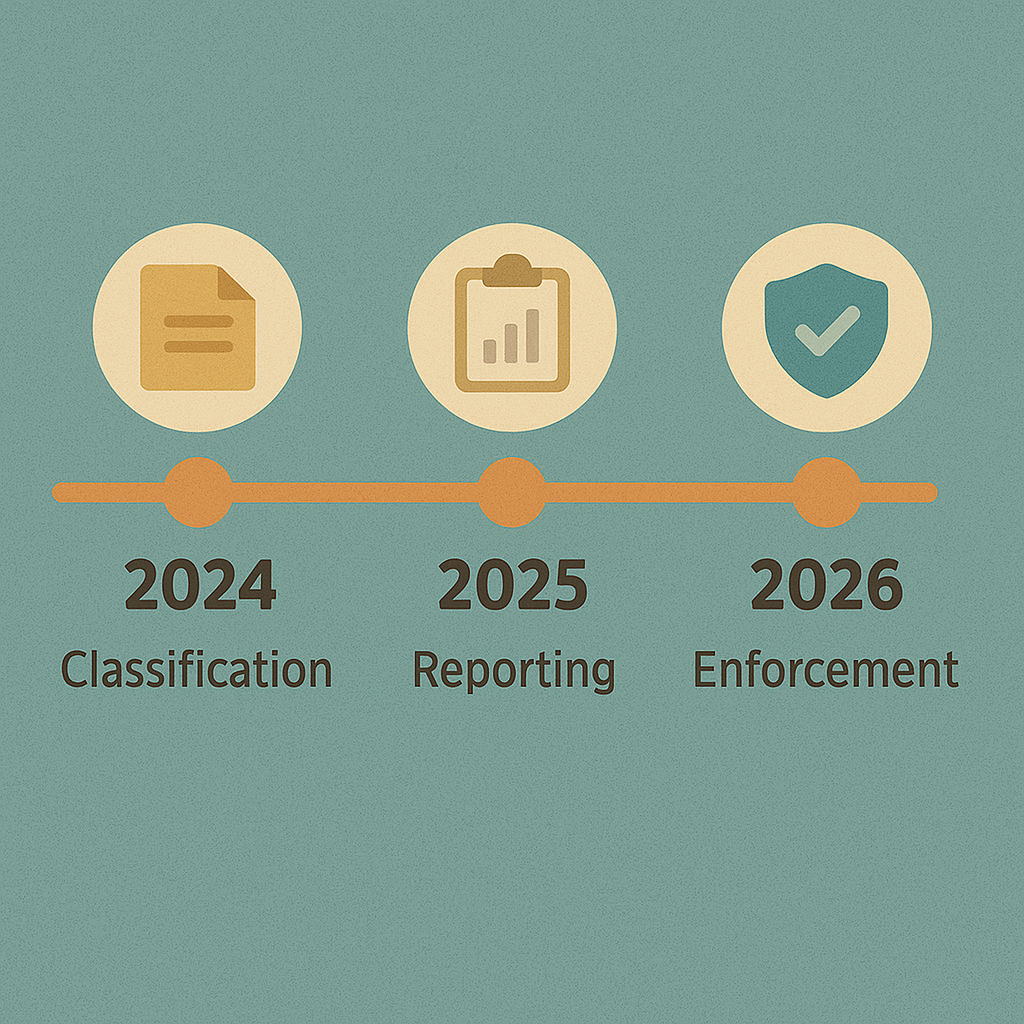
The official regulatory shift comes as part of broader efforts under OBBBA and the associated Financial Value Transparency and Gainful Employment regulations, which began implementation July 1, 2024. FSA Partner Connect+1
What “Professional Degree” Meant — and What It Means Now
Historically, a “professional degree” under ED’s guidelines referred to degrees preparing individuals for licensure-based, often independent-practice professions — medicine (M.D.), dentistry (D.D.S./D.M.D.), law (J.D.), pharmacy, etc. U.S. Department of Education+2Nurse.com+2
With the new rule, ED narrowed that list dramatically. The degrees still included as “professional”: medicine, pharmacy, dentistry, optometry, law, veterinary medicine, osteopathic medicine, podiatry, chiropractic, theology, and clinical psychology. NBC4 Washington+2Yahoo+2
Excluded from the list are nursing (MSN, DNP, NP), physical therapy (DPT), occupational therapy (MOT/OTD), speech-language pathology, physician assistant, public health — and several non-health fields like social work, education, architecture, etc. NBC4 Washington+2Newsweek+2
Important: This redefinition is for federal loan eligibility and borrowing limits. It is not a professional licensure or accreditation decision. ED clearly states that excluding a program from “professional degree” status in loan rules is not a value judgment on its legitimacy or importance. U.S. Department of Education+1
Who This Affects — PT, OT, SLP, Nursing, and More
Graduate students (current & future) in PT, OT, SLP, nursing (MSN / DNP / NP), physician assistant, public health, social work, etc. The reclassification affects their eligibility for high-limit federal loans. NBC4 Washington+2WPR+2
New applicants (2026 onward) — under the soon-to-be effective loan caps and redefinition — are most vulnerable to reduced federal borrowing power. Spectrum News 1+1
Current students Who’ve Already Borrowed — their existing degrees remain valid; licensure and accreditation are unaffected. The change does not retroactively strip credentials.
According to the American Physical Therapy Association (APTA), the proposed redefinition of DPT (and other health-care degrees) as merely “graduate,” not “professional,” threatens physical therapy’s recognition as a doctoring profession — potentially harming future workforce supply. American Physical Therapy Association
Similarly, the American Nurses Association (ANA) has publicly condemned the move, warning that cutting access to robust federal loan support will worsen nursing shortages — especially in underserved communities. ANA+2The Independent+2
What It Means for Student Loans & Financing Your Degree
Under the new rules:
Graduate students in excluded programs (nursing, PT, OT, etc.) would qualify for a lower borrowing cap: $20,500 per year, with a $100,000 lifetime cap. NBC4 Washington+2Campus Reform+2
“Professional degree” students — those in ED’s narrow list — remain eligible for higher borrowing limits: up to $50,000 per year, and a $200,000 aggregate cap. CBS News+2U.S. Department of Education+2
This dramatically reduces the amount of guaranteed federal funding for many prospective therapists, nurses, and related professionals.
Implications:
Students may need more out-of-pocket funds, private loans, or scholarships to afford grad school.
Higher debt burden may discourage people from entering these fields — potentially worsening workforce shortages.
Schools may feel pressure to lower tuition or rework funding models — but these are long-term effects, not guaranteed solutions.
It’s important to note: the change doesn’t impact undergraduate degrees (BSN, BSc-OT, etc.). Those remain unaffected under current guidance. U.S. Department of Education+1
What This Doesn’t Change — Licensure, Accreditation & Professional Identity
If you already have a DPT, MOT/OTD, MS-SLP, MSN, or similar degree, your license, credentials, and right to practice remain valid.
Accreditation bodies for PT, OT, SLP, Nursing, etc., are unaffected by ED’s financial-aid classification.
The clinical scope of practice, state licensure boards, and employer credentialing are not governed by ED’s loan-classification rules.
So while the new classification is financially significant, especially for future students, it does not mean these professions are no longer “real” or “legitimate.”
Different Viewpoints & Controversy Around the Change
Some people argue the new definition is just bureaucratic housekeeping — meant to curb excessive student borrowing and hold programs accountable. Indeed, ED claims that the “professional degree” label was always meant for a narrow set of high-cost, high-return vocations. U.S. Department of Education+1
But many in the healthcare community see it differently:
Nursing associations warn this move could widen existing workforce shortages, especially in rural and underserved areas. ANA+2WPR+2
The APTA says it undermines the recognition of physical therapy as a “doctoring profession” — which could reduce interest in PT graduate education. American Physical Therapy Association
Some critics frame the change as a gender-biased decision, given many excluded professions are female-dominated, which may disproportionately impact women and further reduce diversity in healthcare. World Socialist Web Site+2WPR+2
Although ED says the change is neutral, the ripple effects in education access, diversity, and workforce capacity are likely to be substantial.
What You Should Do (If You’re a Student, Pre-PT/OT/SLP, or Future Clinician)
Reassess your financing plan — don’t assume Graduate PLUS or large federal loan packages will be available.
Advocate — if you care, reach out to professional associations (e.g. APTA, ANA) to support voices urging preservation of fair loan access.
Helpful Resources for Navigating the 2025 Degree & Loan Changes
Because these federal updates affect how future PT, OT, SLP, and Nursing students access funding, many applicants and current students are looking for ways to study effectively, stay organized, and financially prepare for graduate school. Below are several resources that align with the theme of this post — focusing on smart planning, efficient studying, and financial readiness during a time of stricter lending rules.
📘 Academic & Exam Prep Support (Non-Affiliate)
If you’re aiming to strengthen your academic foundation before taking on additional debt, certain study platforms can reduce stress and improve board-prep efficiency. One of the most helpful tools for me personally was PassTheOT.com, which supported me through my OTA/COTA exam preparation. (I’m not affiliated with them at the time of writing — just sharing what genuinely helped me succeed.)
For PT and SLP students, I recommend checking reputable exam-prep sites, updated NPTE and Praxis-SLP review platforms, and APTA’s official guidance to ensure your study material reflects the newest exam standards.
These aren’t affiliate links — just practical supports for students who want to maximize success without unnecessary spending.
💰 Financial Tools to Stay Ahead of New Loan Limits
With federal borrowing caps tightening, understanding your finances is more important than ever. A good budgeting planner can help track tuition payments, deadlines, and living expenses as you balance reduced loan availability — you can explore one here: Budgeting Planner.
If you’re new to understanding federal loans, interest, repayment plans, or private alternatives, reading solid financial-literacy books specifically geared toward student loans can make the entire process less stressful: Financial Literacy Books.
🎓 Grad School Essentials for Better Focus & Organization
For many students, particularly in rehab therapy and nursing, time management becomes crucial when balancing classes, labs, clinicals, and part-time work (which may be more common due to lower loan caps). A high-quality academic planner can help you stay structured and intentional with your schedule.
If you tend to study in busy environments (shared housing, cafeterias, hospital lounges), noise-canceling headphones can make a huge difference in your focus: Noise-Canceling Headphones.
🩺 Clinical Tools to Support Efficiency in Rotations & Early Practice
Once you reach the clinical phase of your program, the right gear becomes essential. Long hours on your feet — especially in PT, OT, SLP, and Nursing — require reliable footwear. Students consistently recommend supportive brands like Hoka, On Cloud, and Brooks, which you can explore here:
If your program requires on-the-go documentation or bedside note-taking, a HIPAA-compliant storage clipboard can help keep papers secure while making evaluations easier: Storage Clipboard.
Clinical measurement tools (like goniometers, pulse oximeters, or stopwatches) are also worth considering if your program encourages you to build your own practical toolkit.
Final Thoughts
This redefinition by the Department of Education is a big deal for future students — particularly those entering PT, OT, SLP, nursing, and similar fields. But it’s also a bureaucratic/financial shift — not a professional downgrade.
If you already have your license or are currently practicing, nothing about your professional identity changes. But if you’re thinking about going back to school, now’s the time to re-examine your financing plan, consider scholarships or alternate funding, and be prepared for tighter borrowing limits.
I’ll continue tracking developments as the final rules roll out (expected mid-2026). In the meantime, sign up for my free quick-reference sheets and guidebooks — and stay on top of changes that could affect your future as a clinician.
Question for the readers: If you were planning to go back for an advanced degree in PT, OT, SLP, or Nursing — would this change make you hesitate? Or would you still apply and find alternate funding? Drop your thoughts in the comments — I’m curious what others are thinking.