
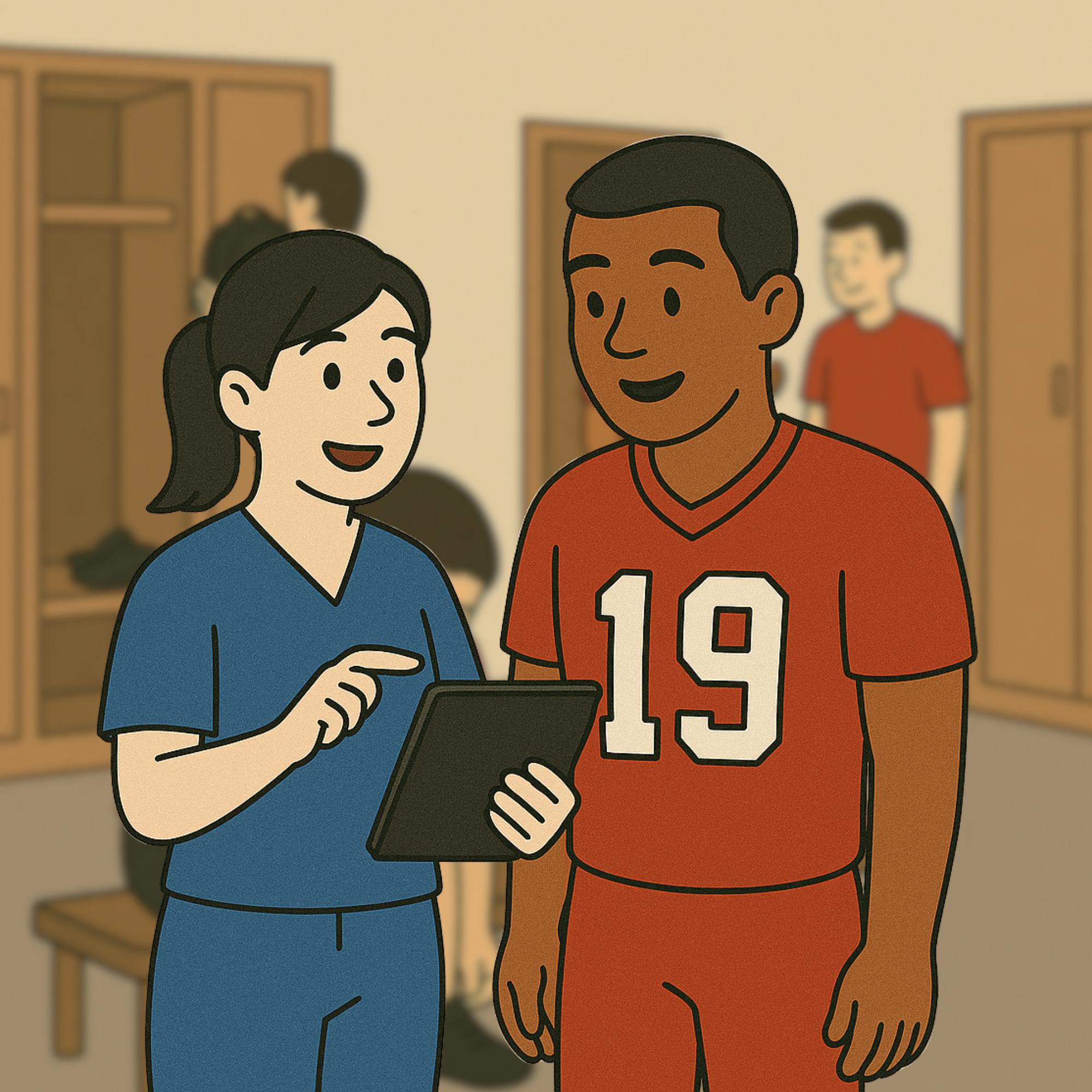
Physical Therapy: What It Really Is (and Isn’t)
Physical therapy often gets a bad rap — mostly because people don’t actually know what PTs do. Whether it’s fear of pain, confusion about what therapy involves, or frustration from past experiences, misconceptions about physical therapy can hold people back from real recovery.
In this post, we’ll break down the most common physical therapy myths and replace them with facts that can help you make informed choices about your health and mobility.
👉 And definitely check out Myth #9 — it’s the one I hear most often in every setting, and it’s a big one.
⚠️ Medical Disclaimer
You should know better than to take this as medical advice 😉.
This post is meant to be educational and informational—and maybe even a little fun.
If you want real answers, talk to a real person in front of you—like a licensed healthcare provider—who can do what a post can’t: evaluate, diagnose, and treat.
🩺 Affiliate Disclosure
Some of the links in this post are affiliate links, meaning I may earn a small commission if you purchase through them — at no extra cost to you. Every product I recommend aligns with my professional experience as a therapist and aims to support your well-being and recovery.
Myth #1: “Physical Therapy Is Just Exercise.”

Reality: PT isn’t just “working out.” It’s targeted, evidence-based movement designed to restore function, improve balance, and rebuild the neuromuscular pathways that support daily life.
💬 Personal insight: Physical therapists go through many years of schooling and are required to complete continuing education to ensure that every patient receives the most up-to-date, research-backed care.
If you want to experience what PT-guided exercise actually looks like at home, try small-scale tools that mimic what’s used in clinics:
- TheraBand Resistance Band Set — great for progressive strengthening.
- BOSU Balance Trainer — enhances core stability and proprioception.
- Adjustable Dumbbells — allow gradual resistance changes for safe strength gains.
- Mini Exercise Pedal / Portable Cycle — perfect for gentle mobility between sessions.
📖 External Resource: APTA: What Is Physical Therapy?
Myth #2: “Physical Therapy Hurts.”

Reality: PT should never make your condition worse — it’s about controlled, guided motion.
💬 Personal insight: Pain is there because you’ve undergone a major event — surgery, injury, or prolonged immobility. The pain ONLY GETS WORSE WITH LACK OF MOVEMENT. That’s why PT exists: not to cause pain, but to restore healthy motion, strength, and confidence.
To manage soreness safely at home, use recovery tools that complement your sessions:
- Biofreeze Pain Relief Gel for temporary relief.
- TheraGun Mini with Heat and Cold Head for gentle muscle recovery.
- Reusable Hot/Cold Gel Packs for inflammation or stiffness.
- Cushioned Exercise Mat to protect joints during home workouts.
📖 External Resource: Harvard Health: Why Gentle Movement Helps Pain
Myth #3: “You Need a Doctor’s Referral to See a PT.”

Reality: In most U.S. states, you have Direct Access — meaning you can see a PT without a physician referral.
Starting therapy early can reduce long-term costs, prevent chronic pain, and speed up healing. Don’t wait until pain sidelines you; a PT can be your first line of care.
📖 External Resource: APTA Direct Access by State
Myth #4: “PT Is Only for Injuries or Post-Surgery.”

Reality: Physical therapy is just as much about prevention as it is about recovery.
💬 Personal insight: You’ll find PTs in diverse settings — sports performance clinics, aquatic therapy programs, and even yoga-informed or massage-integrated wellness classes — all designed to optimize movement before problems arise.
Small ergonomic upgrades can also make a big difference in everyday posture and back health:
- Ergonomic Lumbar Support Pillow
- Posture Corrector
- Standing Desk Converter
- TriggerPoint GRID Foam Roller
📖 External Resource: Cleveland Clinic: Preventive Physical Therapy Benefits
Myth #5: “PT Is Only for Older Adults.”

Reality: PT is for every age and stage. Therapists work with babies on developmental milestones, teens recovering from sports injuries, and adults managing chronic conditions.
💬 Personal insight: Movement looks different across life stages, but PT adapts to them all — whether it’s balance training for older adults or endurance work for athletes.
Simple home tools that encourage safe, lifelong movement include:
📖 External Resource: Johns Hopkins: Pediatric & Sports Physical Therapy
Myth #6: “PT Is Just Massage or Stretching.”

No, no, no — they are not.
Reality: PT is a science-based practice. Techniques like manual therapy, joint mobilization, and neuromuscular re-education are purposeful — not pampering.
💬 Personal insight: Many people expect a spa experience, but PT focuses on functional improvement, not relaxation. You’ll move, strengthen, and re-educate muscles to work correctly — not just feel better temporarily.
If you’re curious about what goes into evidence-based PT practice, check out:
- Therapeutic Exercise: Foundations & Techniques
- Netter Anatomy Flashcards
- Tabletop Skeleton Model for visual learning or teaching.
📖 External Resource: APTA: Manual Therapy Techniques Explained
Myth #7: “Once the Pain Is Gone, Therapy Is Done.”

Reality: Pain relief is the start of healing, not the finish line.
💬 Personal insight: Continued exercise practice is essential to maintain the range of motion and strength gained in therapy. Proper positioning and body mechanics matter too — many people regress after discharge simply because they revert to old habits.
For at-home maintenance, consistency is key. Keep your momentum with:
📖 External Resource: Mayo Clinic: Importance of Exercise Adherence in Rehab
Myth #8: “I Can Just Do YouTube Exercises Instead.”

Reality: Online workouts can be useful — but they’re not personalized or safe for everyone.
💬 Personal insight: You won’t know if an exercise is beneficial for your condition — or if it’s actually harmful. You won’t have anyone correcting your form, and doing something incorrectly could lead to another injury. And if that happens? You’ll end up in therapy anyway.
Track your sessions and progress the smart way:
- Exercise Tracking Journal — stay consistent and accountable.
📖 External Resource: Healthline: Why DIY Rehab Can Backfire
Myth #9: “Physical Therapy Doesn’t Work / It’s a Waste of Time.”

💬 Personal insight:
This is the myth I hear the most — and it’s one that deserves real conversation.
Whether therapy “works” depends on your commitment, condition, and healing capacity. No one, after a major injury or surgery, becomes exactly as they were before — the body remembers old trauma. But that doesn’t mean recovery is a waste.
PT helps you restore functional mobility within your limits, improve independence, and reduce long-term pain. Therapists can’t control biology — but they can guide the process. Healing is teamwork.
Keep yourself motivated with small wins:
📖 External Resource: NIH: Physical Therapy Outcomes Study
Myth #10: “All PTs Do the Same Thing.”

Reality: Not even close. Physical therapists specialize in everything from orthopedics and neurology to pelvic health, pediatrics, vestibular rehab, and more.
💬 Personal insight: Each PT niche focuses on a specific population or system. Some work with athletes, others with children, stroke survivors, or postpartum women. PT is a wide-ranging, deeply specialized field.
Explore tools often used across specialties:
📖 External Resource: APTA: Specialty Certifications
💡 Quick Reference Sheets & Pocket Guides
Looking for ready-to-use therapy resources?
Download your free Therapy Quick Reference Sheets and explore our growing collection of Pocket Guides — featuring OT, PT, and ST books for busy rehab professionals.
Final Thoughts: Rethinking What Physical Therapy Means

Physical therapy isn’t about “fixing” people — it’s about empowering them to move better, recover safely, and reclaim their independence.
If you’ve ever hesitated to start PT because of one of these myths, I hope this helped you see the field differently. Healing takes collaboration, trust, and patience — and it’s absolutely worth it.
💬 Have you ever worked with a physical therapist? What was your experience like — good or bad?
If it wasn’t what you expected, how could it have been approached differently? Drop your thoughts in the comments below — your story might help someone else take that first step.
Originally posted 2025-10-30 14:52:27.