Tag: pediatric feeding therapy

  • 11. #SwallowTok? How Dysphagia Awareness is Trending Online

    11. #SwallowTok? How Dysphagia Awareness is Trending Online

    7-minute read

    Ever heard of #SwallowTok?

    If not, you’re not alone—but you might be missing out on one of the most powerful healthcare awareness movements growing on social media today.

    Whether you’re an SLP, caregiver, or someone who’s struggled with swallowing, this TikTok trend is turning the spotlight onto dysphagia—a medical condition that affects how people swallow food and liquids. The videos are raw, informative, sometimes humorous, and often deeply moving. They’re changing the conversation around dysphagia care, therapy tools, and accessibility like never before.

    And let’s be honest—how often do swallowing disorders go viral?


    Affiliate Link Disclosure:

    This post may contain affiliate links. If you purchase something through the recommended links, I may earn a small commission at no extra cost to you. As an Amazon Associate, I earn from qualifying purchases. Thanks for your support—it helps me continue creating free resources for therapists and caregivers.


    What Is Dysphagia, Really?

    Dysphagia is the medical term for swallowing difficulties. It can impact people of all ages, but it’s especially common after strokeneurological conditions like ALS or Parkinson’s, or in individuals with head and neck cancer.

    Signs of dysphagia include:

    • Coughing or choking during meals
    • Food getting “stuck”
    • Wet or gurgly voice after eating
    • Unexplained weight loss
    • Frequent pneumonia or respiratory issues

    Left untreated, dysphagia can lead to aspiration, malnutrition, dehydration, and serious health risks. That’s why early identification and intervention by a speech-language pathologist (SLP) is critical.

    Learn more from ASHA


    The Rise of #SwallowTok: Awareness in Action

    “SLP creating TikTok content about dysphagia therapy tools”

    So, how did swallowing therapy end up trending online?

    Thanks to creators like @carrie_clark_slp, @dysphagiaduo, and @sprucestreetslp TikTok is now home to countless videos explaining swallowing strategies, signs of aspiration, oral motor exercises, and clinical tips. These professionals break down complex concepts into bite-sized, easy-to-digest formats (pun intended), making dysphagia education accessible to a broader audience.

    You’ll find:

    • Real-time demos of thickened liquids
    • Safe swallow techniques like the chin tuck
    • Behind-the-scenes looks at FEES and MBSS
    • Caregiver tips for pureed diet prep
    • Myth busting: “Dysphagia ≠ picky eater!”

    This content is humanizing and demystifying a condition that often goes unnoticed. It’s also empowering patients and caregivers to ask better questions and seek care earlier.


    Tools That Help: SLP-Approved Dysphagia Gear

    With visibility comes curiosity—and many people on #SwallowTok ask, “What tools are you using?”

    Here are some therapist-approved tools often seen in dysphagia therapy and evaluations:

    Each of these products plays a role in improving safety, independence, and dignity during meals—whether you’re working in a clinic or caring for someone at home.


    Who’s Most at Risk? Spotting Swallowing Disorders

    Elderly stroke patient receiving feeding support at home”

    SLPs on TikTok are helping the public recognize that dysphagia doesn’t just “look old.” Here’s who’s most commonly affected:

    • Stroke survivors
    • Individuals with neurological conditions (ALS, Parkinson’s, MS)
    • Children with developmental disabilities or feeding delays
    • People with head and neck cancer
    • Adults post-intubation or tracheostomy
    • Seniors with general muscle weakening or dementia

    By showing real patients, real stories, and real strategies, creators are changing the face of dysphagia from clinical mystery to shared experience.


    From Screen to Session: Swallowing Strategies Worth Knowing

    Some of the most viral #SwallowTok tips are simple yet impactful:

    • Chin tuck to prevent aspiration
    • Double swallow technique
    • Pacing with sips of water
    • Postural positioning during mealtime
    • Small bite sizes and slow rate

    Remember: these aren’t substitutes for personalized care. But they encourage awareness and open the door to professional support.

    If you’re a caregiver or professional, consider printing or saving visual cheat sheets and tips to reinforce safe feeding habits.

    Subscribe now to download free SLP Quick Reference Sheets →


    The Power of Going Viral—for Good

    “Social media post with trending dysphagia hashtags

    While not every trend leads to real change, #SwallowTok is different.

    It’s created:

    • An online community of caregivers, clinicians, and survivors
    • A platform to debunk misinformation
    • Easier access to professional tools and resources
    • More demand for dysphagia-trained SLPs

    And as therapists continue to build these bridges between care and content, we move one step closer to making swallowing safety universal—not just clinical.


    Conclusion: What We Swallow Matters—And So Does Awareness

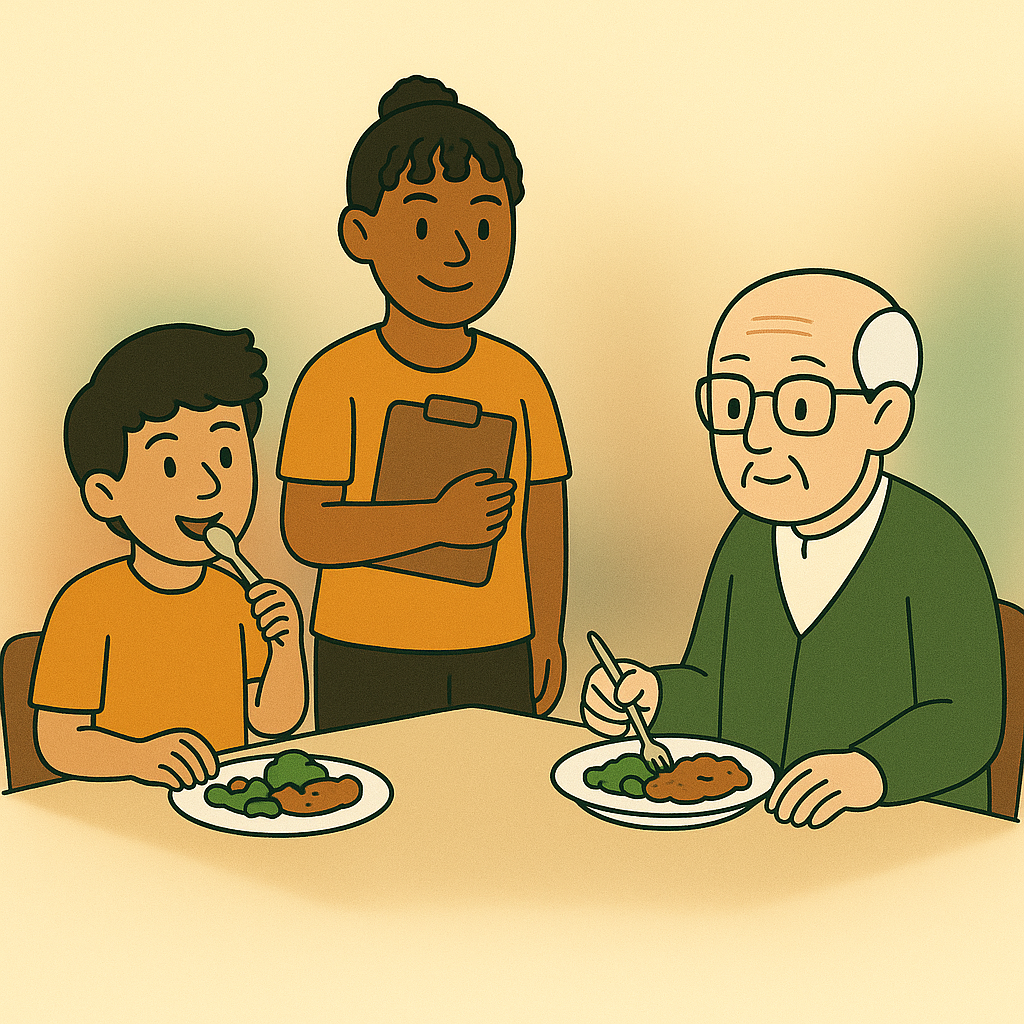
    “SLP offering support to patient during meal”

    Dysphagia might not be glamorous, but it’s deeply human. Eating, drinking, and connecting over meals are essential to our wellbeing—and when those functions are threatened, it’s more than medical. It’s emotional.

    Thanks to #SwallowTok, people are finally talking about it.

    Want free therapy tools at your fingertips?
    Subscribe to download your SLP Quick Reference Sheets with feeding tools, therapy strategies, and more.

    OT Pocket Guide available now (ebook + paperback)


    ST Pocket Guide coming soon | PT Guide in October


    We Want to Hear From You:

    “Person reading TikTok comments on dysphagia awareness video”

    Have you created or seen an impactful dysphagia awareness video?
    Are you a caregiver or therapist with a go-to swallowing tip?

    Drop a comment below. Let’s learn from each other.

    Originally posted 2025-05-28 05:37:43.
  • Struggling with Feeding Therapy? Tips for New SLPs

    Struggling with Feeding Therapy? Tips for New SLPs

    That First Feeding Case Feeling… (What New SLPs Experience)

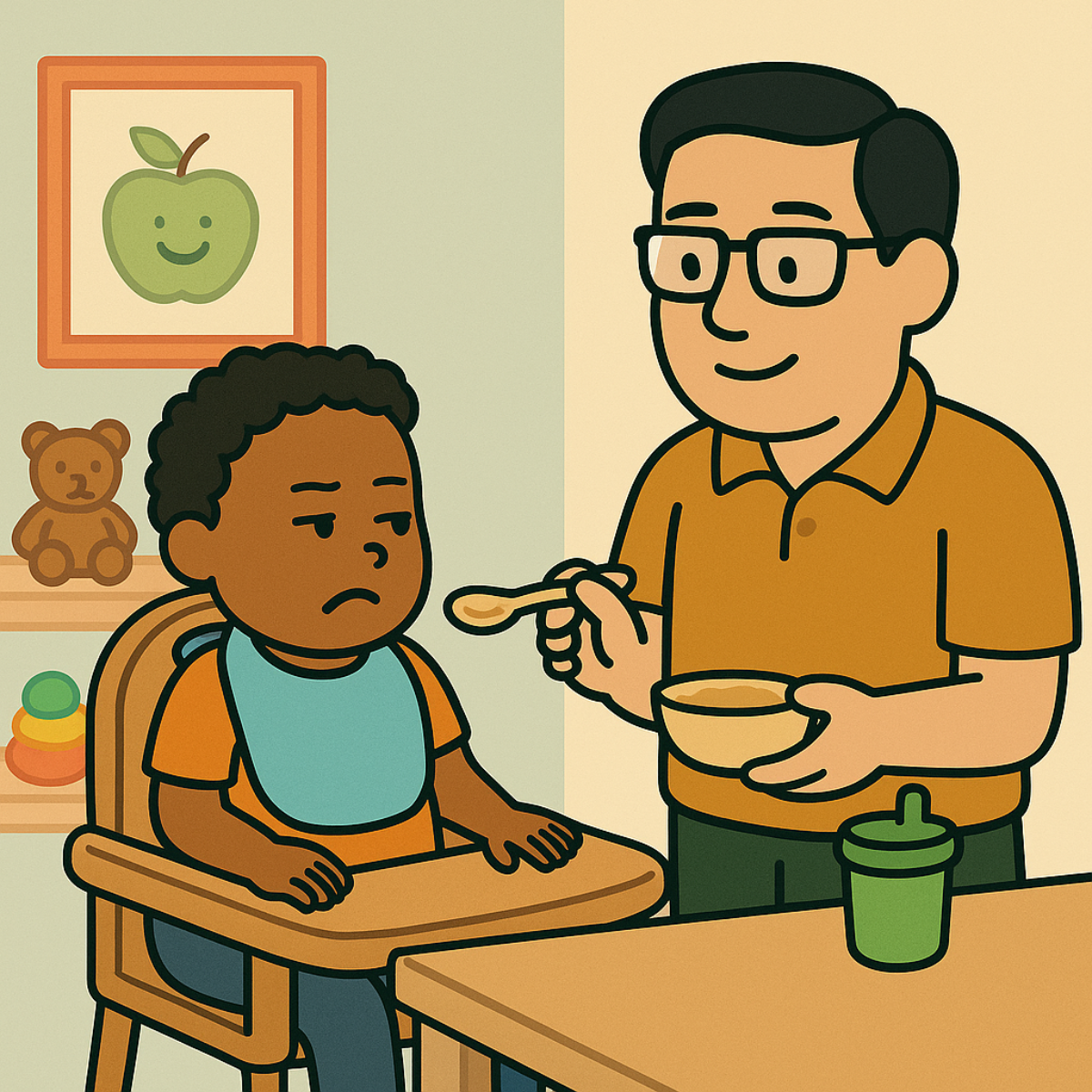
    You walk into the therapy room, spoon in one hand, visual schedule in the other—and there’s a toddler across from you turning their head, refusing every bite.

    Your first instinct? Panic.

    But here’s the truth: if you’re a new speech-language pathologist (or SLPA) stepping into feeding therapy, you’re not alone in feeling unsure.

    Feeding therapy is incredibly rewarding—but also complex. You’re not just helping a child eat. You’re supporting sensory processing, oral motor development, emotional regulation, and family dynamics.

    It can feel overwhelming at first—but with the right tools, guidance, and mindset, you will find your rhythm.

    👉 Starting your feeding therapy journey? This guide breaks down practical feeding therapy tips for SLPs so you can walk into sessions with more confidence—and less stress.


    What Feeding Therapy Really Involves (Beyond “Getting Kids to Eat”)

    Feeding therapy tools used by SLPs

    Feeding therapy goes far beyond “getting kids to eat more.”

    As an SLP, you’re addressing:

    • Oral motor strength and coordination
    • Sensory processing and food tolerance
    • Swallow safety and efficiency
    • Food variety and progression
    • Caregiver education and carryover

    Across settings—NICU follow-ups, early intervention, outpatient—the goal stays the same:

    ➡️ Safe intake
    ➡️ Skill development
    ➡️ Family involvement

    📚 External Resource:

    For a foundational overview, explore ASHA’s Pediatric Feeding and Swallowing Guidelines


    Feeding Therapy Tools Every SLP Should Start With

    Beginner feeding therapy tools for pediatric SLPs.

    The good news? You don’t need a full clinic closet to get started.

    Here are beginner-friendly essentials:

    These tools help:

    • Improve oral awareness
    • Build jaw strength
    • Reduce sensory defensiveness
    • Support developmental feeding skills

    You’re mid-session, the child is refusing the spoon, gagging—and you’re internally thinking: “Am I doing this wrong?”

    Instead of pushing bites, you shift.

    You introduce something for exploration instead of intake.

    👉 Tools like the ARK Z-Vibe or Chewy Tubes can reduce defensiveness and help the child tolerate input before expecting them to eat.


    Understand Oral Motor & Sensory Foundations First

    SLP guiding oral motor development using therapy tools, as part of sensory feeding strategies

    Before focusing on what a child eats, focus on how they process food.

    Common underlying issues:

    • Weak jaw or tongue strength
    • Hypersensitive gag reflex
    • Texture aversions
    • Limited oral exploration

    Your role is to make feeding:

    ✔️ Play-based
    ✔️ Low pressure
    ✔️ Exploratory

    📚 External Resource:

    Curious about integrating sensory strategies? Check out the SOS Approach to Feeding


    You’re trying to introduce new textures—but every attempt ends in refusal or meltdown.

    Instead of jumping textures, you scale back.

    👉 Using tools like Maroon Spoons or silicone training spoons can reduce gag triggers and help build tolerance gradually.


    Create a Consistent Mealtime Setup (Reduce Chaos, Increase Participation)

    Structured mealtime setup in pediatric feeding therapy with feeding therapy tips for SLPs

    Structure matters more than we think.

    Simple adjustments can change everything:

    • Use visual schedules
    • Keep the same chair and setup
    • Limit distractions
    • Separate textures visually

    👉 Tools like the ezpz Mini Mat can help visually organize meals and reduce sensory overload.

    Consistency reduces anxiety → increases engagement.


    You notice the child does better some days—but worse others.

    What changed?

    The environment.

    Same food. Same therapist. Same goal.

    But one small difference:
    ➡️ the setup

    👉 Using something like the ezpz Mini Mat can help separate textures, reduce overwhelm, and make mealtimes feel more predictable.

    Sometimes it’s not the intervention—it’s the environment.


    Coach Caregivers Without Overwhelming Them

    Speech therapist coaching parent on home feeding strategies and educating on oral motor feeding therapy

    Feeding therapy is emotional for families.

    Your job isn’t just intervention—it’s support.

    Teach caregivers to:

    • Recognize subtle refusal cues
    • Avoid pressure-based language
    • Accept non-linear progress

    A simple shift from:

    ❌ “You need to eat this”
    ➡️ ✅ “Let’s try one small bite”

    If caregivers are struggling with carryover at home, a resource like Helping Your Child with Extreme Picky Eating can reinforce strategies in a way that feels practical—not overwhelming.


    You give great strategies—but nothing carries over at home.

    Caregivers feel overwhelmed.

    👉 Simple structured resources and guides (like quick sheets or structured books)

    Sometimes simplicity—not complexity—is what sticks.


    Know When to Refer (Strong Clinicians Collaborate)

    Collaborative team discussion for feeding therapy referrals

    Feeding therapy is team-based.

    Refer when needed:

    • OTs → posture, sensory processing, self-feeding skills
    • Registered Dietitians → nutritional intake, growth, and feeding plans
    • GI/ENT → underlying medical, reflux, or structural concerns

    📚 See interdisciplinary model:

     Stanford Children’s Interdisciplinary Feeding Program


    Your Confidence Will Grow With Every Bite

    Feeding therapy is:

    • Messy
    • Creative
    • Non-linear
    • Deeply rewarding

    You don’t need to know everything right away.

    Start with:

    ✔️ One child
    ✔️ One tool
    ✔️ One goal


    🛒 Affiliate Picks for Busy Therapy Days

    Documentation & Workflow


    Treatment Tools


    Productivity

    • Session planners
    • Timers

    Comfort / Lifestyle

    • Water bottles
    • Supportive footwear

    💡 What I Actually Recommend

    If you’re trying to stay on top of productivity without burning out, a few small tools can make a big difference. I’ve linked a couple of things throughout this post that I personally think are worth having—especially on busy days.


    🗣️ ST Month Feature — A Small Thank You

    Before anything else—this month is for you.

    To the SLPs and SLPAs showing up every day…
    navigating complex cases, adapting on the fly, managing behaviors, documentation, caregiver expectations—and still finding a way to make sessions meaningful…

    We see it.

    We see the patience.
    The creativity.
    The problem-solving that happens in real time.

    And the effort it takes to keep going—even on the days that don’t go as planned.

    So this is a small thank you.


    🗣️ Built With Real SLP Input — Not Guesswork

    I also want to be transparent for a second.

    I’m not an SLP.

    But this guide—and especially the ST Pocket Guide—wasn’t created in isolation.

    I took the time to:

    • Learn directly from SLP peers
    • Observe real workflows across settings
    • Pay attention to what actually slows sessions down
    • Identify what clinicians wish they had in the moment

    This wasn’t guesswork—it was built from real-world input.

    And honestly—that’s exactly why I’m sharing it during ST Month.

    👉 Not as something “perfect”
    👉 But as something practical

    Something you can actually reach for mid-session—when time is tight and your brain is juggling ten things at once.


    📘 About the ST Pocket Guide

    This guide was created to be:

    • Quick to reference during sessions
    • Easy to navigate under pressure
    • Focused on what actually matters clinically

    👉 ST POCKET GUIDE (PAPERBACK)


    💬 And I Mean This Genuinely…

    If you pick it up and think:

    “Something’s missing”
    “This could be better”
    “This isn’t how we do it in my setting”

    I want to hear that.

    Because this isn’t just a product—it’s something I want to build with the field.

    I’m not an SLP.

    But this guide—and especially the ST Pocket Guide—wasn’t created in isolation.

    I took the time to:

    • Learn directly from SLP peers
    • Observe real workflows across settings
    • Pay attention to what actually slows sessions down
    • Identify what clinicians wish they had in the moment

    This wasn’t guesswork—it was built from real-world input.

    And honestly?

    That’s exactly why I’m putting it out there during ST Month.

    👉 Not as something “perfect”
    👉 But as something practical

    Something you can actually use in a session when time is tight and your brain is juggling 10 things at once.


    📥 Therapy Support You Can Use Right Now

    If you want something free to start with:

    👉 Download your OT/PT/ST Quick Reference Sheets

    These are designed for:

    • Quick session support
    • Easy carryover
    • Real clinical use

    ⚠️ Disclaimers

    Affiliate Disclosure:
    This post contains affiliate links. If you choose to purchase through them, I may earn a small commission at no extra cost to you. I only recommend tools that support real therapy practice.

    Medical Disclaimer:
    This content is for educational purposes only and does not replace clinical judgment or individualized patient care. Always assess and treat based on each patient’s needs and collaborate with appropriate professionals when necessary.


    💬 Let’s Learn From Each Other

    What’s one feeding therapy strategy or tool that helped you feel more confident early on?

    Or—if you’ve worked in feeding—what’s something you wish someone told you when you were just starting out?

    Drop it below 👇

    Originally posted 2025-05-21 04:00:54.