7-minute read
Affiliate Disclosure:
As an Amazon Associate, I earn from qualifying purchases. This means if you click a product link and make a purchase, I may receive a small commission—at no extra cost to you. I only recommend products I personally use or believe are helpful in therapy.
Introduction: It’s Not Just the Body We’re Treating
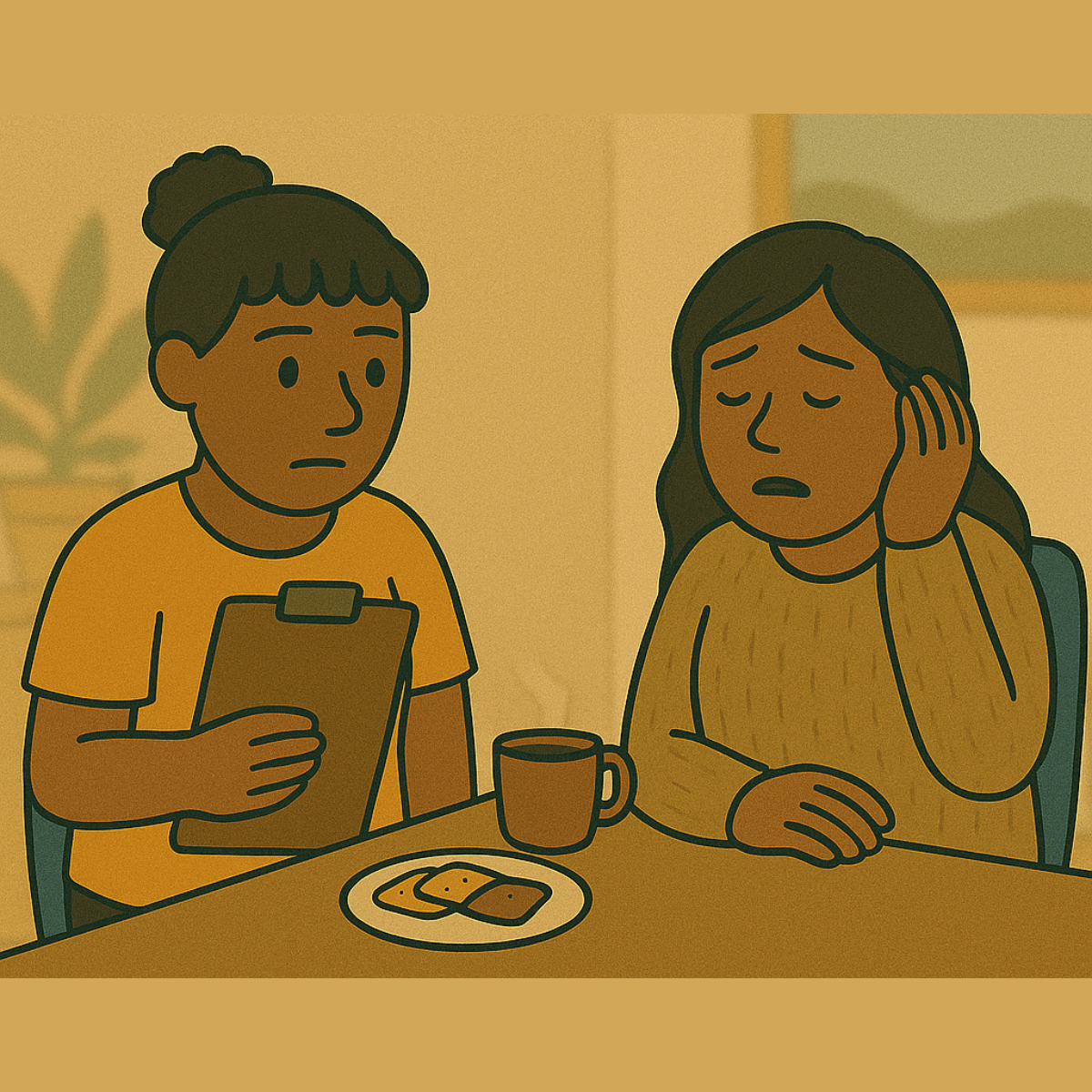
If you’ve been in the therapy world long enough, you’ve probably had that moment: your client breaks down mid-session, shares something heavy, or just zones out with that distant look. And suddenly, the exercise or language drill you were working on doesn’t feel like the real priority anymore.
As rehab therapists, we aren’t mental health providers—but we are people who spend a lot of time with our clients. We notice changes. We build trust. We often see sides of people that others don’t. And yes, we can absolutely play a role in supporting their mental health.
Here are seven approachable, research-backed ways to do just that.
1. Make Trauma-Informed Care Your Default

You may not always know your client’s history—but chances are, many of them have faced trauma. Whether it’s a stroke survivor coping with a sudden loss of independence or a child with complex medical trauma, our clients bring invisible wounds into the therapy space.
A trauma-informed approach means offering consistent routines, choices, and clear explanations. Even small gestures—like giving a client control over the order of activities—can make therapy feel safer.
Try This: A simple visual support tool like a feelings flip chart can give clients a way to express emotions they may not have words for.
Learn more about trauma-informed care from NCTSN.
2. Create a Calm Space That Invites Regulation

Think of your therapy space: does it promote calm—or chaos? A sensory-friendly environment can make a huge difference, especially for clients dealing with anxiety, ADHD, or overstimulation.
That doesn’t mean a full makeover. A few thoughtful additions—like a small aromatherapy diffuser, a decluttered workspace, or natural light—can help regulate emotions. A weighted lap pad works wonders for grounding, especially in pediatric or neurodivergent sessions.
Bonus: A calm environment benefits you, too.
3. Sprinkle in Mindfulness and Grounding Tools

Mindfulness isn’t just yoga and silence. In rehab, it might look like a guided deep breath, a pause between transitions, or a grounding activity before a challenging task.
Quick mindfulness cards like these are perfect for adding a reflective moment between tasks. They work across age groups, especially when adapted into visuals or movement.
You can even build these into treatment goals: sustained attention, emotional regulation, and even functional communication.
Explore more mindfulness practices from Greater Good Science Center.
4. Build Trust Through Compassionate Communication

Therapeutic rapport isn’t fluff—it’s the foundation of everything we do. Our clients need to feel heard, understood, and safe, especially when they’re working through something hard.
Try weaving in open-ended questions, reflective statements, and emotion-based vocabulary. A visual reminder like the “How Are You Feeling Today?” chart on your wall can help both kids and adults express themselves during sessions.
This is where our skillset overlaps with mental health—through empathy, clarity, and patience.
5. Use Activity as a Safe Outlet for Emotions

Rehab therapy can be deeply emotional, whether it’s frustration over slow progress, grief from a new diagnosis, or the joy of regained independence.
Build in ways for clients to release or express what they’re feeling. Use creative outlets like journaling, drawing, or storytelling during sessions. For pediatric clients, this could be puppet play or pretend scenarios. For adults, it might be reflective prompts or role-play.
Keeping your own self-care journal on hand also models emotional processing in a subtle, powerful way.
6. Be Aware of Burnout—In Clients and Yourself

Clients with chronic or long-term rehab needs often show signs of burnout: loss of motivation, irritability, even hopelessness. We can help by adjusting expectations, validating their experiences, and celebrating small wins.
But therapist burnout is real, too. We give a lot, emotionally and physically. Add in productivity pressures, and it’s no wonder burnout rates are rising.
Build small moments of care into your day—a mindful pause, a short walk, even a faux plant on your desk to brighten your view. It’s okay to protect your energy. Your clients will benefit from it.
7. Normalize Help and Know When to Refer

Mental health doesn’t have to be taboo in rehab settings. Normalize talking about feelings, struggles, and resources. When you spot red flags, don’t ignore them—refer.
You don’t have to do it all. Just be someone who notices.
Create a simple resource list with local therapists, support groups, or mental health hotlines. Sites like MentalHealth.gov and Psychology Today are great starting points for finding professional support.
Conclusion: A Little Goes a Long Way
We may not be mental health professionals—but as rehab therapists, we’re often a trusted presence during tough times. The way we speak, listen, and show up matters. Sometimes just being there—consistently and compassionately—is the best support we can offer.
Let’s keep showing up for our clients—not just as clinicians, but as humans.
Grab Your Free Quick Reference Sheets

Designed for OT, PT, and STs who want smart tools, not more paperwork.
Subscribe to the newsletter to get your free Quick Reference Sheets—perfect to keep by your side during sessions.
Looking for More Clinical Tools?

Explore the Productive Rehab Therapist Pocket Guide Series for expanded tools and structured quick references:
- OT Pocket Guide – Out now! Available on Amazon, in
- ST Pocket Guide – Launching this month!
- PT Pocket Guide – Releasing October 2025
Stay organized, empowered, and confident—whether you’re new to the field or a seasoned therapist.

What about you?
What’s one small thing you’ve done that made a big impact on a client’s emotional well-being?
Let’s build a conversation—drop your story in the comments below.
Originally posted 2025-05-13 03:00:00.