Breaking the Silence Around Men’s Health
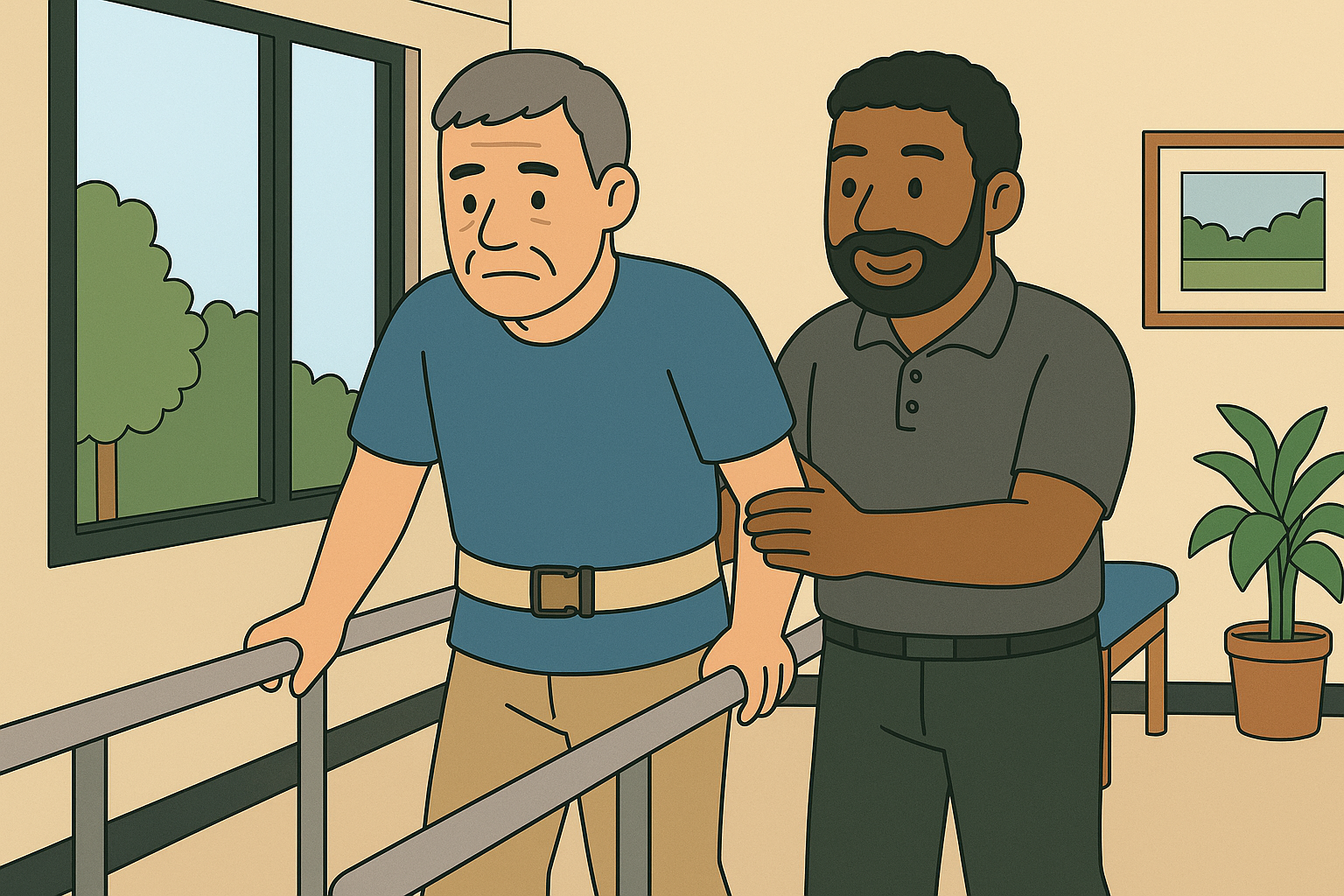
When we think of rehab therapy—whether physical, occupational, or speech—it’s easy to picture women, children, or older adults. But what about the men? This June, as we honor Men’s Health Month and Father’s Day, it’s time to talk about why men need rehab therapy too—and what we can do to get them engaged in the process.
Whether it’s recovering from a stroke, managing chronic pain, regaining mobility after surgery, or addressing communication challenges, men often face these struggles quietly. Societal expectations, emotional barriers, and outdated norms around masculinity can prevent them from seeking the help they need.
It’s time to change that.
🛑 Affiliate Disclosure
Some links in this post are affiliate links, which means I may earn a small commission at no extra cost to you if you choose to make a purchase. I only recommend products I believe are valuable and relevant to rehab professionals and caregivers.
Why Men Avoid Rehab (And Why That Needs to Change)
Despite the clear benefits of rehab therapy, men are less likely to seek care, stick with their plans, or openly talk about their recovery needs. Research shows that stigma, fear of appearing weak, and a tendency toward self-reliance are major obstacles.
👉 According to the CDC, men are significantly less likely than women to visit a doctor regularly—and that includes rehab professionals.
But here’s the reality: Rehab is strength-building, not weakness. And the sooner that message becomes part of how we care for men, the better outcomes we’ll see—in both physical and emotional health.
Engaging Men in Physical Rehab: Tools That Appeal

To make rehab approachable and motivating, many therapists use gear that reinforces strength, control, and progress—especially for men who value physical performance.
Here are some tools that work well in male-centered therapy:
- Adjustable Dumbbells: Great for graded strength training in the clinic or at home.
- Resistance Band Set with Door Anchor: A portable, low-impact way to improve range of motion.
- Grip Strength Trainer: Essential for men recovering from hand or wrist injuries.
- Weighted Medicine Ball: Incorporates core activation and coordination.
- Balance/Wobble Board: Excellent for fall prevention and core strengthening.
- High-Density Foam Roller: A no-nonsense way to manage soreness and promote recovery.
By integrating familiar equipment and using progress-based tracking, men are more likely to engage, stay consistent, and feel ownership of their rehab journey.
Addressing Men’s Mental Health: Therapy Isn’t Just Physical

Men are often expected to be emotionally stoic—but behind that mask, many struggle with anxiety, depression, and feelings of isolation, especially during recovery.
Therapists can support mental wellness by recommending small, private tools that promote reflection and emotional regulation:
- Men’s Therapy Journal – A guided space for mental check-ins.
- Stress Relief Therapy Balls – Helps manage tension discreetly.
- The Way of the Superior Man – A thought-provoking read for men navigating personal growth.
- Light Therapy Lamp – Can combat seasonal depression and boost energy.
- Habit Tracker – A simple way to stay motivated and accountable.
Speech and Cognitive Therapy for Male Patients

Men recovering from stroke, TBI, or neurological conditions often require speech-language or cognitive therapy. Here’s how to tailor tools for greater impact:
- Memory Workbook – A functional and confidence-boosting approach to memory rehab.
- Adult-Friendly Conversation Cards – Encourages expressive language in a mature, dignified format.
- Wearable Voice Amplifier – Perfect for low-volume speech or vocal fatigue in men with Parkinson’s or post-stroke changes.
Father’s Day Ideas That Support Wellness

Looking for a meaningful Father’s Day gift? Skip the tie—and consider wellness tools that show care and support for recovery:
- Percussion Massage Gun – For muscle relief after a long day.
- Heated Neck & Back Massager – A favorite among older male clients.
- Posture Corrector for Men – Encourages healthy alignment while working or walking.
- Gel Seat Cushion – Ideal for men in recovery or with low back pain.
- Hourly Hydration Water Bottle – Encourages hydration with subtle reminders.
Adaptive Tools That Empower Independence

For men managing physical limitations, tools that support independence and dignity go a long way in building confidence:
- Heavy-Duty Reacher Tool
- Nonslip Bath Mat (Neutral Tone)
- Gait Belt with Metal Buckle
- Adaptive Utensils Set
These items blend form and function—making them feel less “clinical” and more empowering.
Supporting Male Clients (and Caregivers)

Therapists and caregivers supporting male clients can benefit from practical tools for organization and consistency:
These simple additions can ease routines, reduce caregiver stress, and increase therapy success.
Final Thoughts: Helping Men Heal Stronger
Rehab therapy isn’t just for injuries—it’s a gateway to strength, independence, and connection. This Men’s Health Month, let’s break the silence around men’s rehab needs and celebrate Father’s Day by encouraging the men in our lives to prioritize their health.
💡 Whether you’re a therapist, caregiver, or loved one, you can make a difference.
🎯 Want Rehab Support at Your Fingertips?
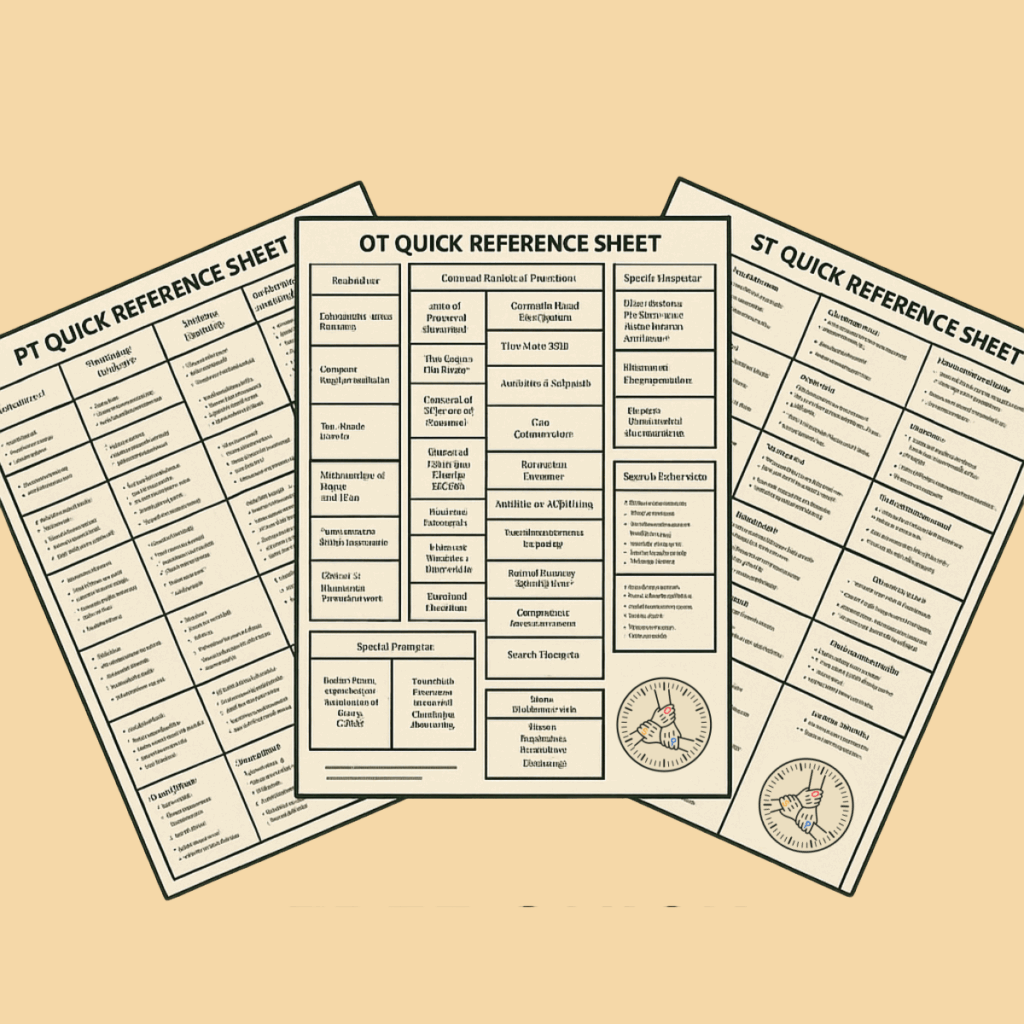
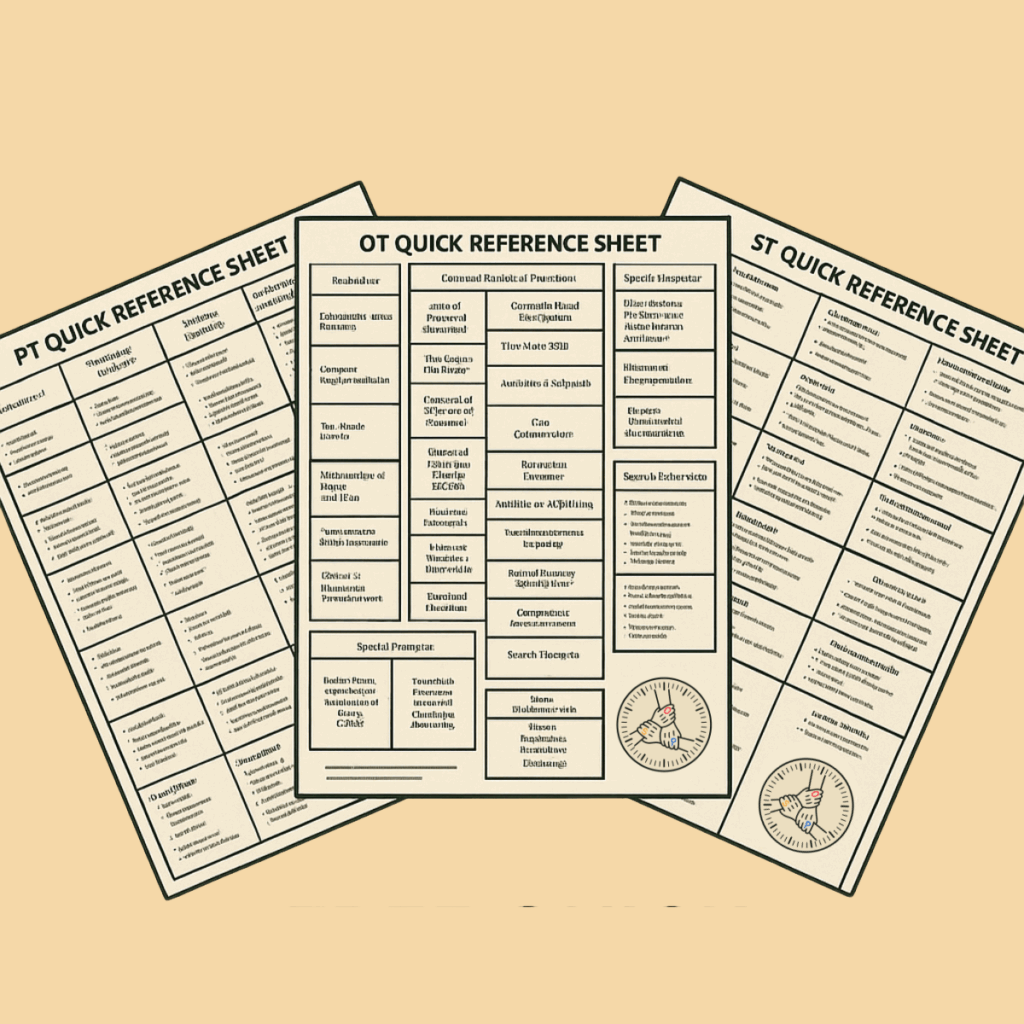
Download your free Quick Reference Sheets for OT, PT, and ST—loaded with tools, treatment ideas, and client-centered strategies.
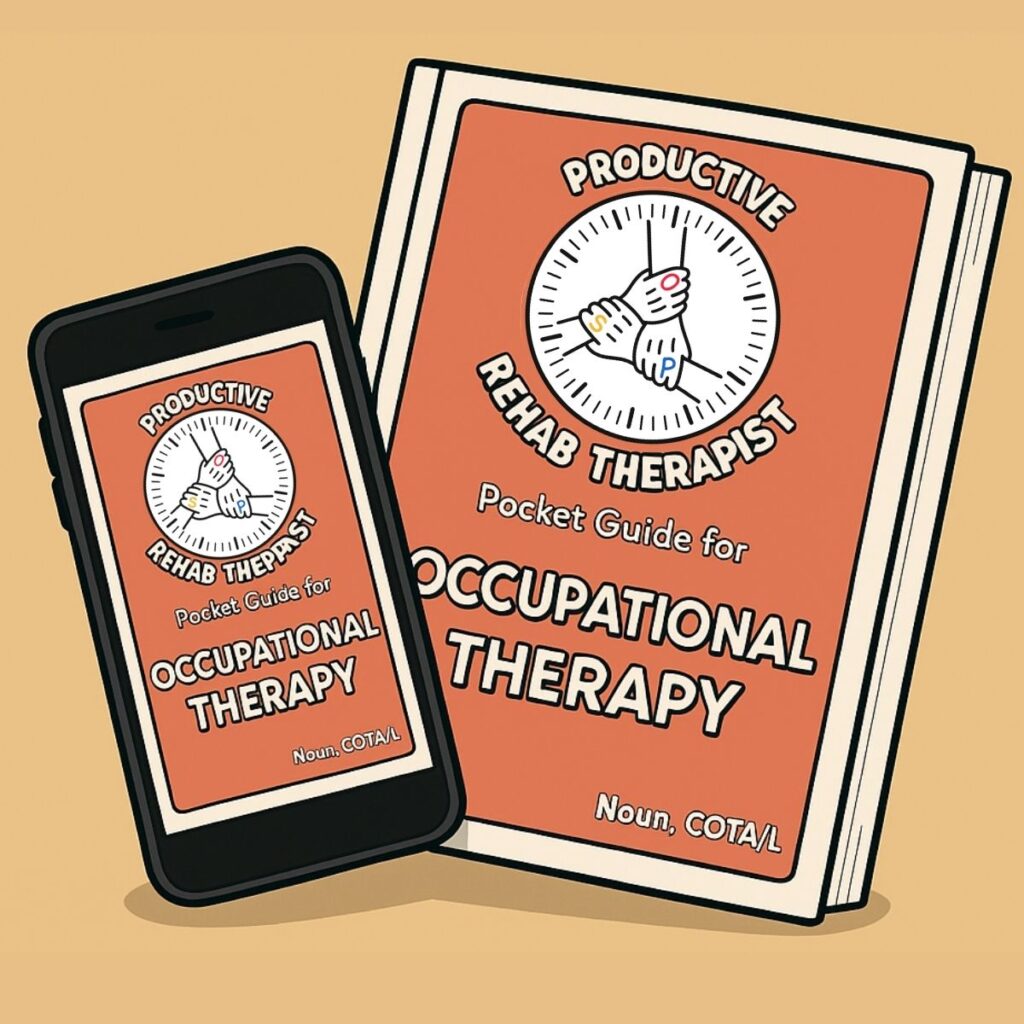
📖 OT Pocket Guide available now
📘 ST Pocket Guide coming soon
📙 PT Pocket Guide coming in October
💬 We Want to Hear From You:
Have you supported a male client in rehab?
What tools or strategies helped engage him the most?
👇 Drop your experiences or insights in the comments—we learn best when we learn together.
Originally posted 2025-06-12 05:30:45.