Category: Core Content

  • 10. What Is AAC? Why It’s Life-Changing for So Many

    10. What Is AAC? Why It’s Life-Changing for So Many

    6-minute read

    Imagine Not Being Able to Speak…

    Imagine you’re in a hospital bed after a stroke, your thoughts racing—but your mouth can’t form the words. Or you’re a young child with autism, frustrated every day because you can’t express your wants, needs, or emotions. How would you ask for help, say “I’m in pain,” or tell someone “I love you”?

    That’s the daily reality for millions of individuals with communication challenges.

    Thankfully, AAC—Augmentative and Alternative Communication—bridges that gap.

    Whether through a high-tech tablet or a simple picture board, AAC empowers people to be heard, understood, and included. If you’re a therapist, caregiver, or educator, understanding AAC is key to transforming lives.

    👉 Want practical AAC tools and cheat sheets?
    Subscribe to get free Quick Reference Sheets for OT, PT, and ST—plus sneak peeks of our therapy Pocket Guides.


    As an Amazon Associate, I earn from qualifying purchases. This means if you click on a product link and make a purchase, I may receive a small commission at no extra cost to you. I only recommend tools I trust and use to support AAC and therapy practices.


    What Exactly Is AAC Communication?

    AAC stands for Augmentative and Alternative Communication—a broad term describing all forms of communication (other than verbal speech) used to express thoughts, needs, and ideas.

    AAC can be:

    • Augmentative: Adding to someone’s existing speech
    • Alternative: Replacing speech when none is available

    It helps:

    • Children and adults with autismcerebral palsyDown syndrome
    • People with ALSstroketraumatic brain injury
    • Anyone with temporary or permanent speech limitations

    Communication is a human right. AAC helps ensure no one is left voiceless.

    📚 External Resource: ASHA – What Is AAC?


    Types of AAC: From Picture Boards to Eye Gaze Devices

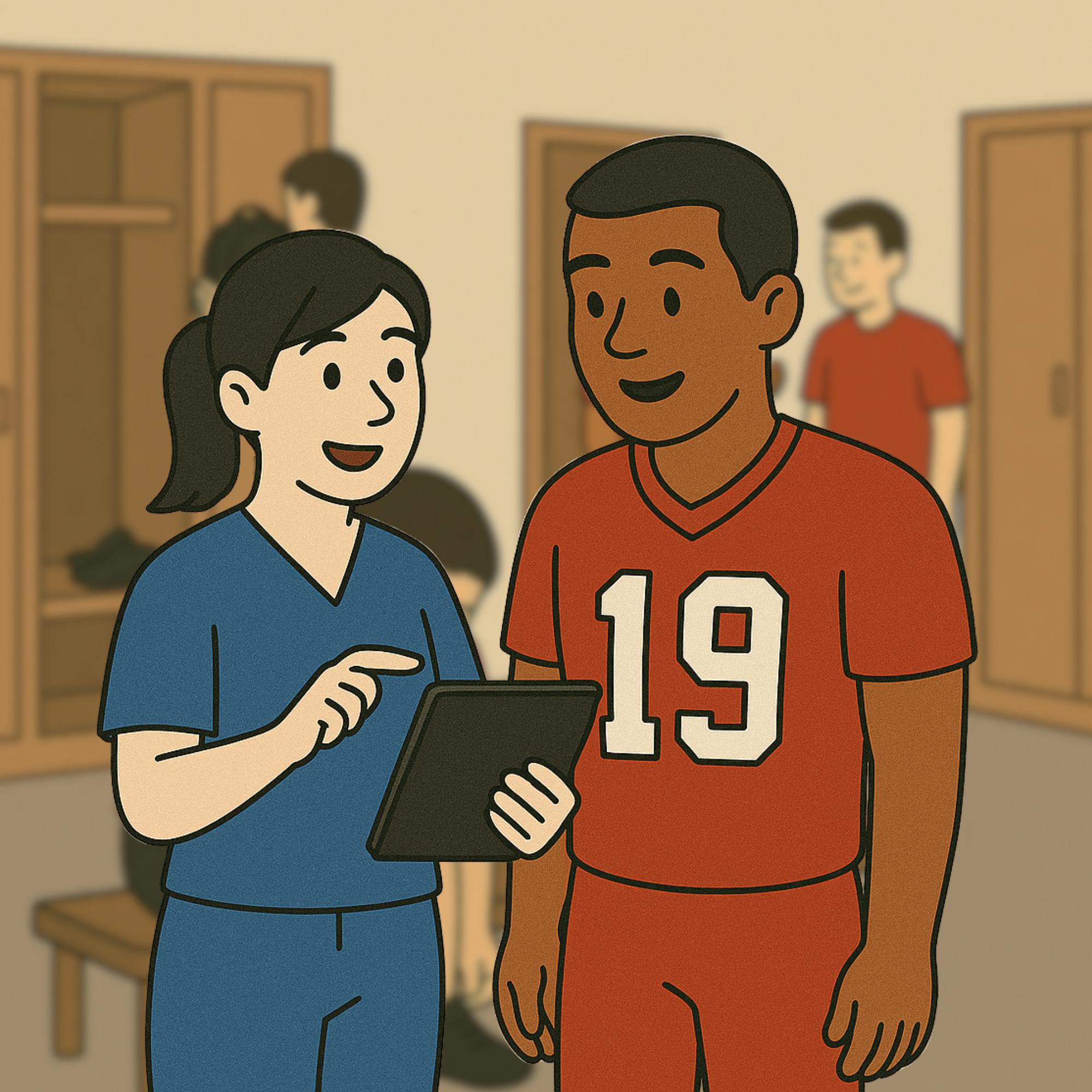
    Various AAC tools including speech app, picture book, and communication switch.

    AAC tools vary widely depending on the individual’s needs.

    ✅ No-Tech AAC

    • Gestures
    • Sign language
    • Facial expressions
    • Drawing or writing

    ✅ Low-Tech AAC

    ✅ Mid-Tech AAC

    ✅ High-Tech AAC


    How AAC Changes Lives

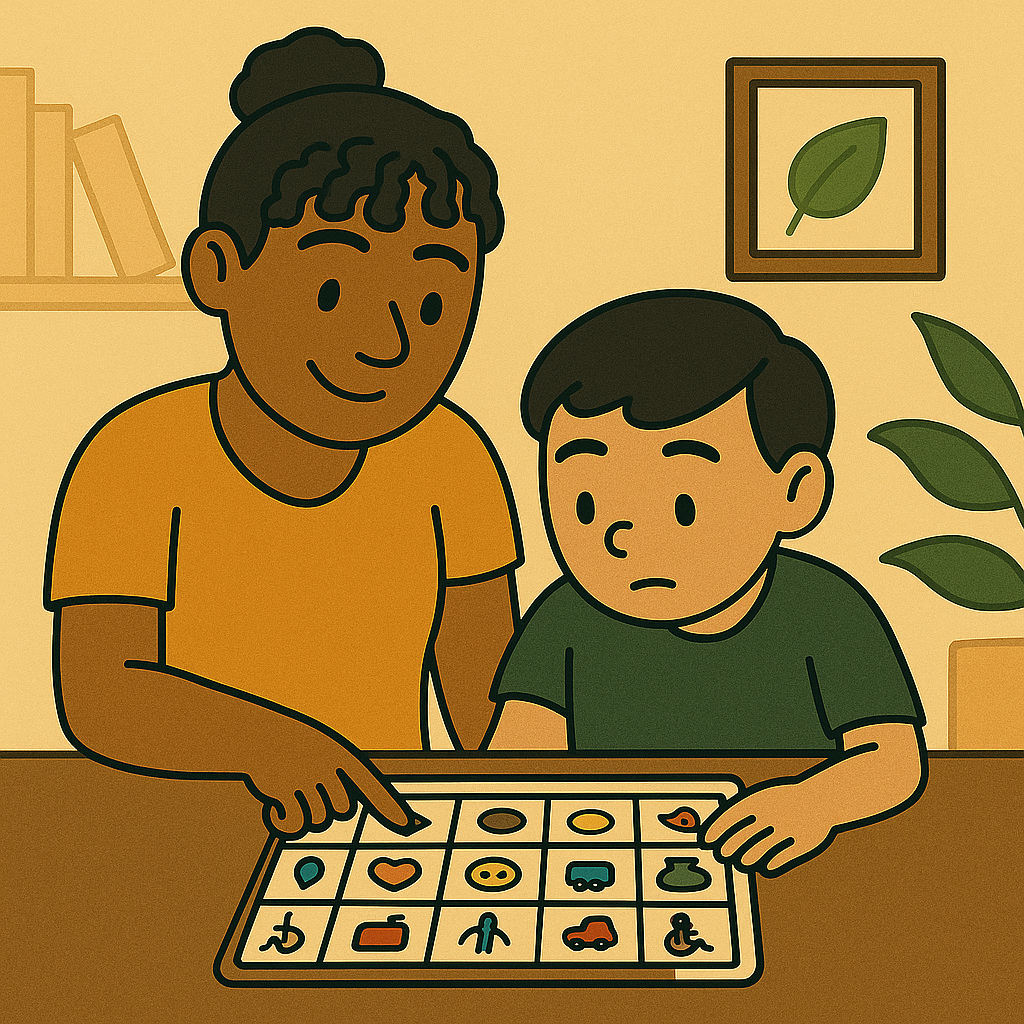
    Speech therapist and child engaging in joyful AAC activity.

    AAC can be transformative:

    • ✅ Increases independence
    • ✅ Builds confidence
    • ✅ Supports academic success
    • ✅ Encourages social connection
    • ✅ Allows for self-advocacy

    From toddlers learning their first words to adults reclaiming their voice after injury or illness, AAC empowers people to fully participate in their lives.

    📚 External Resource: Communication Matters – Benefits of AAC


    Common Myths About AAC

    Let’s bust some of the most common misconceptions:

    🛑 “AAC will stop someone from learning to talk.”
    ✅ Research shows AAC often supports speech development.

    🛑 “AAC is only for nonverbal people.”
    ✅ Many AAC users have limited, unclear, or inconsistent speech.

    🛑 “AAC is too expensive or hard to learn.”
    ✅ There are free apps, school supports, and customizable tools at all levels.

    AAC should never be a last resort—it should be a first step toward communication.


    The Role of the SLP (and the Whole Team!)

    Speech therapist coaching a caregiver on how to use an AAC device.

    SLPs are at the heart of AAC support:

    • 🔍 Evaluate communication abilities
    • 🔧 Trial different tools and systems
    • 📚 Train caregivers, clients, and educators
    • 🤝 Collaborate with:
      • Occupational Therapists (for motor and sensory access)
      • Physical Therapists (for positioning and mobility)
      • Teachers and parents (for carryover at home and school)

    Helpful tools:


    Choosing the Right AAC System

    Teen using eye gaze AAC device in a classroom setting.

    There is no one-size-fits-all solution. Factors to consider:

    • Fine motor and visual abilities
    • Cognitive level
    • Preferences and motivation
    • Access method (e.g., direct touch, switch scanning, eye gaze)
    • Portability and durability

    💸 Funding options:

    • Insurance
    • Medicaid/Medicare
    • School districts (IEPs)
    • Grants and donations

    📚 External Resource: Funding AAC Devices – PrAACtical AAC


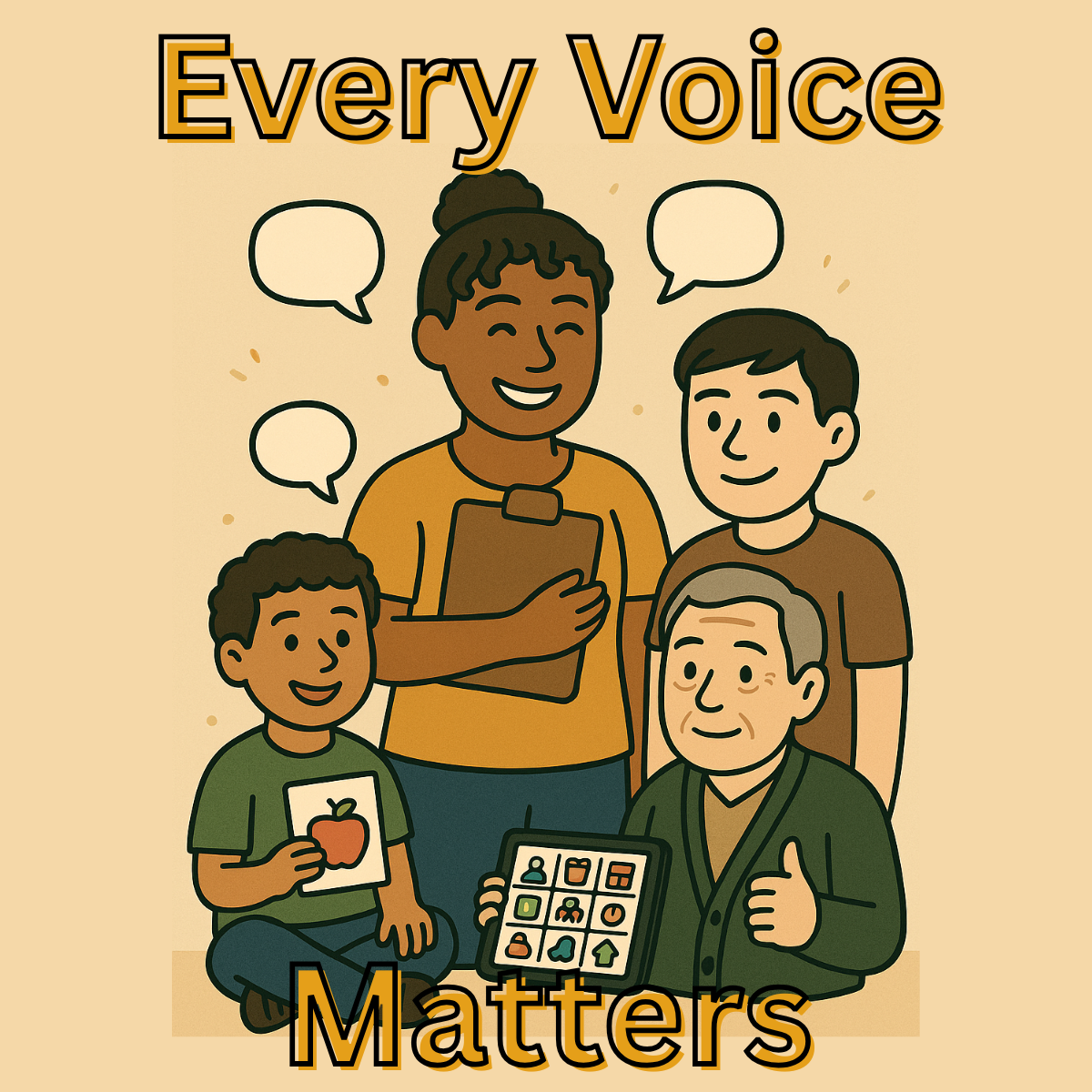
    Every Voice Matters: Let’s Keep Talking About AAC

    AAC therapy materials neatly arranged on a desk with clipboard.

    AAC isn’t just a clinical tool—it’s a life-changing pathway to freedomconnection, and confidence.

    Whether you’re working with a preschooler developing early language or an adult recovering from a stroke, AAC gives people the chance to be heard—and that’s everything.


    💡 Want More AAC Tools at Your Fingertips?

    Subscribe now to get:

    • 🧠 Free Quick Reference Sheets for OT, PT, and ST
    • 📘 Previews of our therapy Pocket Guides
    • 💌 Tips and product ideas delivered to your inbox!
    • OT Pocket Guide – Out now (ebook + paperback)

    • ST Pocket Guide – Releasing this month
    • PT Pocket Guide – Coming in October

    💬 We Want to Hear From You

    Speech therapist attentively listening to a caregiver sharing an AAC experience

    Have you ever worked with or cared for someone who used AAC?
    What tool, tip, or breakthrough made the biggest difference?

    👇 Share your story in the comments—we learn best when we learn together.

    Originally posted 2025-05-22 03:00:00.
  • 17. Minority Mental Health Awareness: Why Rehab Therapists Are Essential Allies

    17. Minority Mental Health Awareness: Why Rehab Therapists Are Essential Allies

    The Story Behind the Stats — & Why It Matters

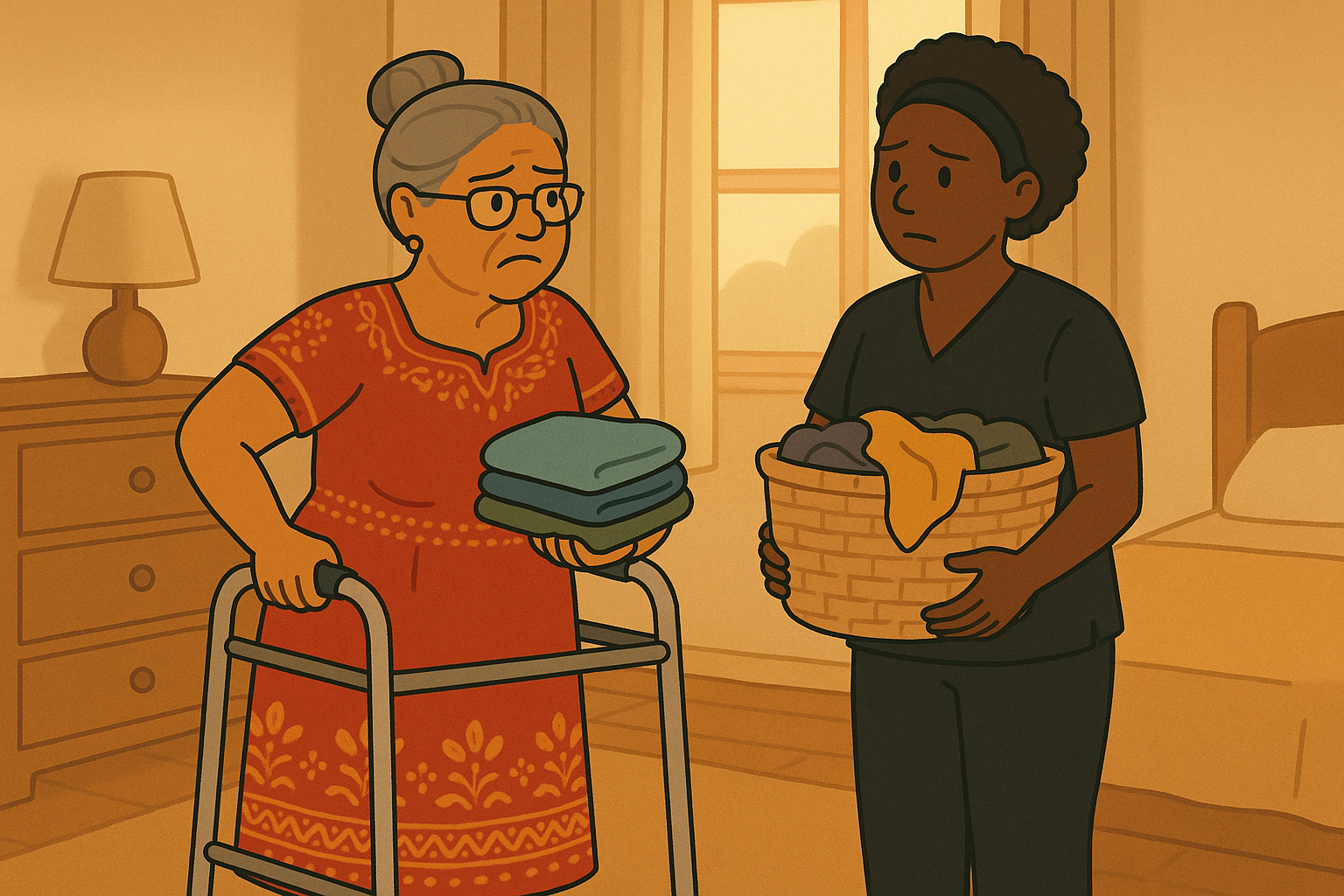
    You’ve just finished a productive home-visit. Your client—a Latina grandmother recovering from a hip fracture—quietly mentions how anxious she’s felt since surgery. She hasn’t told her primary doctor yet; the last time she tried, “they just gave me another pill.” Stories like hers are common: mental-health needs are spoken, yet unmet, across many minority communities.

    July is Minority Mental Health Awareness Month, and the numbers remain sobering. In 2023, serious psychological distress touched 11.4 % of Black adults, 13.8 % of Hispanic adults, and a striking 15.4 % of American Indian/Alaska Native adults.Bay Area Clinical Associates Yet people of color are still less likely to receive culturally responsive mental-health care—and more likely to hit barriers when they try. Only 36 % of Hispanic and 39 % of Black adults who reported fair or poor mental health received services in the prior three years, compared with 50 % of White adults.KFF


    How Barriers Widen the Mental-Health Gap

    • Structural hurdles: insurance coverage, high out-of-pocket costs, and limited clinicians of similar background.
    • Stigma & mistrust: past negative encounters make it harder to seek help.KFF
    • Language & cultural mismatch: assessments and education materials often ignore linguistic nuance or cultural beliefs.

    Where Rehab Therapy Fits In

    Rehab clinicians already address cognition, daily routines, and quality of life—touchpoints that naturally overlap with mental-health goals:

    • OT, PT & ST interventions reduce psych distress. An updated 2024 meta-analysis confirmed that cognitive rehabilitation significantly improved depressive symptoms and executive function in adults with depression.PubMed
    • Culturally tailored OT services matter. A 2025 qualitative study found that perinatal OT practitioners identified stigma, fear, and language as primary barriers for ethnic-minority mothers—yet also uncovered enablers such as peer support and community partnerships.PubMed
    • Digital therapeutics expand reach. In 2024 the FDA cleared Rejoyn, the first app-based depression treatment, illustrating how tech can supplement care when clinician access is limited.TIME


    Building Culturally Competent Care (OT | PT | ST)

    Action ideas:

    1. Screen & listen
      Use brief, validated tools in the client’s preferred language and follow up with open-ended questions.
    2. Co-create goals
      Embed cultural values (e.g., faith practices, multigenerational caregiving) into your functional objectives.
    3. Leverage interdisciplinary teamwork
      Pair mobility sessions with mindfulness coaching, or embed communication strategies into ADL training.

    Affiliate Disclosure

    Some links below are affiliate links. If you choose to purchase, I may earn a small commission—at no extra cost to you. Your support helps me create free quick-reference sheets, blog posts, and upcoming pocket guides.


    Empower Clients With At-Home Mental-Health Tools

    Speech-language pathologist shares a bilingual visual schedule with an Indigenous father and son, both wearing braids. They sit in a modest living room decorated with cultural textiles, pottery, and a lit candle, with a family photo on the wall.

    Recommend evidence-informed, budget-friendly items your readers can find via the blog’s affiliate shop:

    NeedTry ThisWhy It Helps
    Daily reflectionGuided mental-health journalPrompts normalize emotional check-ins.
    Track moods & triggersAnxiety/depression plannerVisual patterns make symptom trends obvious.
    In-session groundingGrounding card deckQuick 5-4-3-2-1 cues to re-center.
    Label feelingsPocket emotion wheelSupports emotional literacy across ages.

    Pro-tip: Encourage clients to bring these tools to therapy so you can practice using them together.


    Stock Your Therapist DEI Toolkit

    Flat-lay image showing a folded weighted blanket, a BIPOC affirmation card deck, lavender essential oil roller, an open journal reading ‘Today, I showed up for myself,’ and a white diffuser on a light wood surface.

    DEI stands for Diversity, Equity, and Inclusion—a framework aimed at ensuring fair representation, opportunity, and a sense of belonging for individuals from historically underrepresented or marginalized groups.(en.wikipedia.org)

    Invest in resources that strengthen culturally responsive care:


    Inclusive Communication & Sensory Aids

    Occupational Therapist in red scrubs sits at eye level with a young Black boy on a colorful therapy mat. They use a feelings chart and fidget tools during the session, while the child’s mother, wearing jeans and an orange shirt, watches nearby with a smile.

    Sometimes the simplest low-tech tool removes the biggest barrier:

    Pair these with tactile items like therapy putty or a sensory kit to weave regulation into movement or speech practice.


    Final Thoughts & Next Steps

    Speech Therapy Assistant sits at a desk with diversity therapy cards, a ‘Health Disparities Manual,’ and a checklist labeled ‘Inclusive Goals This Week.’ A framed quote on the wall reads ‘Representation Heals,’ while a speech therapist stands blurred in the background reviewing paperwork.

    Rehab therapists sit at a powerful intersection of physical function, communication, and mental well-being. By merging culturally competent practice with evidence-based self-care tools, we can shrink the mental-health gap for BIPOC clients—one therapy session at a time.

    👉 Grab Your Free Quick Reference Sheets

    Need fast clinical tips? Download my OT, PT & ST quick sheets and check out the published Occupational Therapy Pocket Guide—now on Amazon! The Speech Therapy Pocket Guide drops later this month, and the Physical Therapy edition arrives in October.

    Question for you: What’s one culturally responsive strategy you’ve added to your rehab sessions? Share in the comments so we can learn together!

    Originally posted 2025-07-22 02:47:54.

  • 4. Voices Heard, Lives Changed: The Power of Speech Therapy

    4. Voices Heard, Lives Changed: The Power of Speech Therapy

    6-minute read

    As an Amazon Associate, I earn from qualifying purchases. I recommend products based on their use in speech therapy practice, industry trust, and educational value.


    Introduction: The Unsung Heroes of Communication

    Have you ever stopped to think about the power of communication? For many people—children, adults, and families—finding their voice is a challenge. That’s where Speech-Language Pathologists (SLPs) come in. These professionals help individuals speak, understand, and swallow—giving people back one of the most essential parts of life: connection.

    As we celebrate Better Speech and Hearing Month this May, let’s take a closer look at the world of speech therapy—how it works, who it helps, and how we can all support the incredible work of SLPs.


    1: What is Speech Therapy?

    Speech therapy is more than correcting a lisp or saying “r” correctly. It encompasses evaluation and treatment for:

    SLPs work in schools, hospitals, clinics, and homes—and support everyone from toddlers with speech delays to adults recovering from strokes or living with ALS.

    🔗 Learn more at ASHA: What Do Speech-Language Pathologists Do?

    💡 SLP Tool Highlight:
    Try this GoTalk 9+ Lite Touch AAC Device for clients who need a low-tech, reliable communication option.


    2: Why Better Speech and Hearing Month Matters

    May is Better Speech and Hearing Month, a time to raise awareness about communication disorders and the professionals who treat them.

    This month emphasizes:

    • Early identification of speech, language, and hearing issues
    • Accessible care for all age groups
    • Appreciation for SLPs who change lives every day

    Whether you’re a caregiver, client, student, or therapist—this month is your opportunity to speak up about the value of communication.

    🔗 Visit ASHA: Better Hearing and Speech Month to explore campaigns and resources.


    3: The Life-Changing Work of SLPs

    SLPs support people through every stage of life. Their work is diverse, impactful, and often life-altering.

    In Early Intervention and Schools:

    • Helping children meet speech and language milestones
    • Supporting IEP goals and academic success
    • Providing visuals, social stories, and play-based therapy

    🎒 Must-Have:
    For SLPs seeking a versatile and engaging tool for articulation therapy, the Say & Play Mini Objects Set offers over 300 miniature items categorized by speech sounds. This comprehensive kit supports various therapeutic activities, from sound production to language expansion.

    In Medical and Adult Rehab:

    • Assisting stroke survivors and TBI patients regain speech
    • Providing strategies and support for swallowing safety
    • Using tools like tongue depressors or FEES studies to evaluate function

    In All Settings:

    • Empowering voices through connection, advocacy, and individualized care

    4: How You Can Support SLPs This Month

    Want to join the celebration? Here’s how:

    ✅ Thank an SLP — A kind word or social media shoutout goes a long way.
    ✅ Share success stories — Celebrate clients and families who’ve overcome communication barriers.
    ✅ Donate — Support nonprofits that provide speech therapy services to underserved populations.
    ✅ Wear Awareness Gear — Pins, posters, and shirts show your support.
    ✅ Talk About It — Spread the word about early intervention and hearing protection.

    🎧 Working with sensory-sensitive clients? Try Loop Quiet Earplugs or Kids Earmuffs to reduce auditory distractions.


    5: Tools & Resources for SLPs and Caregivers

    Whether you’re a therapist or caregiver, the right tools make all the difference.

    🗂 Top Tools I Recommend:


    🎁 Free Quick Reference Sheets

    Print-friendly, intervention-based cheat sheets for busy rehab therapists.
    Designed for SLPs, OTs, and PTs.


    📘 More Resources from Our Therapy Library:

    • OT Pocket Guide: Available now as eBook and Paperback
      (Packed with functional tools, checklists, and tips—perfect for daily clinical use.)
    • SLP Pocket Guide: Coming May 2025
    • PT Pocket Guide: Launching October 2025

    Conclusion: Let’s Give a Voice to Those Who Need It Most

    Whether it’s a toddler speaking their first words, a stroke survivor finding confidence again, or a nonverbal child learning to communicate, SLPs make it possible. Their work is not just professional—it’s personal, transformational, and deeply impactful.

    This Better Speech and Hearing Month, join us in celebrating the life-changing power of speech therapy. Download your tools, thank a therapist, and support better communication for everyone.


    Get Your Free Tools

    Download our FREE Quick Reference Sheets for OT, PT, and ST.
    Stay organized, confident, and ready for any session.

    Originally posted 2025-05-01 03:00:00.

  • 1. Overview of Rehab Therapy: OT, PT, ST—What’s the Difference?

    1. Overview of Rehab Therapy: OT, PT, ST—What’s the Difference?

    7-minute read

    Heads up! This post may include affiliate links, which means I might earn a small commission (at no extra cost to you) if you decide to make a purchase. I only share things I truly find helpful—thanks for supporting the blog!

    Most people have heard of physical therapy (PT)—it’s the go-to after surgeries, sprains, or sports injuries. But what about speech therapy (ST) or occupational therapy (OT)? Speech therapy sounds fairly self-explanatory. Occupational therapy, however, often stumps people—it has nothing to do with finding a job. Instead, it’s one of the most essential and versatile forms of rehabilitation therapy, helping people reclaim their independence in daily life.

    In this blog post, we’ll break down the definitions of rehabilitation, dive into each therapy discipline, explore how they differ, and explain how they often work together to help people heal and thrive. Whether you’re a patient, caregiver, student, or professional, this guide will give you a clear overview—and help you choose the right therapy for your or your loved one’s needs.


    🔍 What Is Rehabilitation Therapy?

    Image displaying OT holding a clipboard with a toothbrush overhead, PT holding a cane with a walker overhead, and ST holding a clipboard with a speech bubble overhead.

    Rehabilitation therapy refers to a broad spectrum of services designed to help individuals recover or improve their physical, cognitive, or communicative abilities after injury, illness, surgery, or developmental delays. The goal is to enhance function and promote independence.

    There are three core types of rehabilitation therapy:

    • Occupational Therapy (OT)
    • Physical Therapy (PT)
    • Speech Therapy (ST)

    Each plays a vital, distinct role in helping patients rehabilitate and regain their quality of life.


    ✋ Occupational Therapy (OT)

    OT working with patient brushing teeth, and handing patient a cup of water.

    What Is Occupational Therapy?

    Occupational therapy helps individuals develop, recover, or maintain the skills needed for daily living and working. This may include anything from getting dressed, cooking, and driving to using adaptive equipment or managing sensory input.

    Despite its name, “occupational” therapy is not job coaching—“occupations” in OT refer to meaningful everyday activities.

    Scope of OT

    Occupational therapists focus on:

    • Activities of daily living (ADLs)
    • Fine motor coordination
    • Sensory processing
    • Cognitive rehab
    • Assistive technology & adaptive equipment
    • Environmental modifications
    • Return-to-work or school programs

    Conditions Treated by OT

    • Stroke and brain injury
    • Autism spectrum disorder
    • Arthritis
    • Hand and upper extremity injuries
    • Developmental delays
    • Mental health challenges
    • Dementia
    • Sensory integration dysfunction

    ➡️ American Occupational Therapy Association (AOTA) Resource


    🏃 Physical Therapy (PT)

    PT assisting patient in walking using a walker.

    What Is Physical Therapy?

    Physical therapy addresses movement impairments, helping people improve mobility, reduce pain, and restore physical function. PTs use targeted exercise, manual therapy, and modalities like electrical stimulation or ultrasound.

    Scope of PT

    • Mobility training
    • Strength and endurance rehab
    • Balance and fall prevention
    • Pain management
    • Post-surgical rehabilitation
    • Neuromuscular re-education

    Conditions Treated by PT

    • Orthopedic injuries (e.g., ACL tears, fractures)
    • Post-operative rehab (joint replacements)
    • Stroke and neurological disorders
    • Chronic pain (e.g., fibromyalgia)
    • Sports injuries
    • Vestibular and balance disorders

    ➡️ American Physical Therapy Association (APTA) Resource

    📘 Coming October (just in time for PT Month): Our PT Pocket Guide—a practical, intervention-focused quick reference for PTs on the go.


    🗣️ Speech Therapy (ST)

    ST working with patient on communication.

    What Is Speech Therapy?

    Speech therapy (also called speech-language pathology or SLP) targets communication and swallowing disorders. It helps individuals of all ages speak more clearly, understand and express language, and eat and swallow safely.

    Scope of ST

    • Speech sound production
    • Language comprehension and expression
    • Social communication
    • Voice therapy
    • Fluency (e.g., stuttering)
    • Swallowing and feeding
    • Cognitive communication skills

    Conditions Treated by ST

    • Stroke, TBI, and neurological conditions
    • Autism spectrum disorder
    • Developmental delays
    • Parkinson’s disease
    • Aphasia
    • Dysphagia (swallowing disorders)

    ➡️ American Speech-Language-Hearing Association (ASHA) Resource

    📘 Launching in May for Better Hearing and Speech Month: Our ST Pocket Guide—a portable clinical reference for speech therapists in any setting.


    🤝 How OT, PT, and ST Work Together

    Therapy team discussing care plan with a patient.

    While each therapy discipline has its own specialty, rehabilitation works best as a team. Many patients—especially those recovering from strokes, brain injuries, or surgeries—receive all three services in a coordinated plan.

    This interdisciplinary approach ensures that each aspect of recovery is addressed:

    • PT restores strength and movement.
    • OT helps patients function in everyday life.
    • ST ensures they can communicate and eat safely.

    Therapists frequently collaborate, update one another, and co-treat when appropriate to deliver holistic, patient-centered care.


    🧭 Choosing the Right Therapy for You

    Not sure which therapy you need? Here’s a quick guide:

    Your GoalBest Fit
    Regain movement and strength?PT
    Improve daily living or fine motor skills?OT
    Work on speech, communication, or swallowing?ST

    In many cases, a combination of therapies may be most effective. If you’re unsure, speak with your physician or request an evaluation from a rehab therapist—they’ll guide you to the right service(s) for your goals.


    📘 Conclusion & Free Download

    Therapy team waving good-bye.

    Rehabilitation therapy is a powerful tool for healing, restoring function, and regaining independence. While PT, OT, and ST each serve different roles, they often work best when combined—providing a full-spectrum approach to recovery.

    Whether you’re new to the world of rehab or already working in the field, understanding these differences is key to getting the right help.

    ✨ Want a quick reference sheet you can print or keep on hand? 

    Subscribe and Download our free Rehab Therapy Quick Reference Sheets

    Be sure to subscribe to our newsletter and keep an eye out for our OT Pocket Guide (April)ST Pocket Guide (May), and PT Pocket Guide (October)—each packed with clinical tools, checklists, and intervention-based tips for everyday use.

    Originally posted 2025-04-21 03:34:13.

  • 19. 10 Common Physical Therapy Myths (and the Truth About How PT Really Works)

    19. 10 Common Physical Therapy Myths (and the Truth About How PT Really Works)

    Physical Therapy: What It Really Is (and Isn’t)

    Physical therapy often gets a bad rap — mostly because people don’t actually know what PTs do. Whether it’s fear of pain, confusion about what therapy involves, or frustration from past experiences, misconceptions about physical therapy can hold people back from real recovery.

    In this post, we’ll break down the most common physical therapy myths and replace them with facts that can help you make informed choices about your health and mobility.

    👉 And definitely check out Myth #9 — it’s the one I hear most often in every setting, and it’s a big one.


    ⚠️ Medical Disclaimer

    You should know better than to take this as medical advice 😉.
    This post is meant to be educational and informational—and maybe even a little fun.
    If you want real answers, talk to a real person in front of you—like a licensed healthcare provider—who can do what a post can’t: evaluate, diagnose, and treat.

    🩺 Affiliate Disclosure

    Some of the links in this post are affiliate links, meaning I may earn a small commission if you purchase through them — at no extra cost to you. Every product I recommend aligns with my professional experience as a therapist and aims to support your well-being and recovery.


    Myth #1: “Physical Therapy Is Just Exercise.”

    Physical therapist guiding an older male patient through resistance band exercises in a cozy home rehab setting.

    Reality: PT isn’t just “working out.” It’s targeted, evidence-based movement designed to restore function, improve balance, and rebuild the neuromuscular pathways that support daily life.

    💬 Personal insight: Physical therapists go through many years of schooling and are required to complete continuing education to ensure that every patient receives the most up-to-date, research-backed care.

    If you want to experience what PT-guided exercise actually looks like at home, try small-scale tools that mimic what’s used in clinics:

    📖 External Resource: APTA: What Is Physical Therapy?


    Myth #2: “Physical Therapy Hurts.”

    Physical therapist assistant applying a cold pack to a young woman’s knee while she rests with her leg elevated in a clinic room.

    Reality: PT should never make your condition worse — it’s about controlled, guided motion.

    💬 Personal insight: Pain is there because you’ve undergone a major event — surgery, injury, or prolonged immobility. The pain ONLY GETS WORSE WITH LACK OF MOVEMENT. That’s why PT exists: not to cause pain, but to restore healthy motion, strength, and confidence.

    To manage soreness safely at home, use recovery tools that complement your sessions:

    📖 External Resource: Harvard Health: Why Gentle Movement Helps Pain


    Myth #3: “You Need a Doctor’s Referral to See a PT.”

    Physical therapist discussing care options with a parent while their child plays on a tablet in a family-friendly therapy office.

    Reality: In most U.S. states, you have Direct Access — meaning you can see a PT without a physician referral.

    Starting therapy early can reduce long-term costs, prevent chronic pain, and speed up healing. Don’t wait until pain sidelines you; a PT can be your first line of care.

    📖 External Resource: APTA Direct Access by State


    Myth #4: “PT Is Only for Injuries or Post-Surgery.”

    Physical therapist assistant leading an older woman through aquatic therapy exercises in a warm indoor therapy pool.

    Reality: Physical therapy is just as much about prevention as it is about recovery.

    💬 Personal insight: You’ll find PTs in diverse settings — sports performance clinicsaquatic therapy programs, and even yoga-informed or massage-integrated wellness classes — all designed to optimize movement before problems arise.

    Small ergonomic upgrades can also make a big difference in everyday posture and back health:

    📖 External Resource: Cleveland Clinic: Preventive Physical Therapy Benefits


    Myth #5: “PT Is Only for Older Adults.”

    Physical therapist encouraging a young girl balancing on a beam in a colorful pediatric therapy gym with natural light and a flower box view.

    Reality: PT is for every age and stage. Therapists work with babies on developmental milestones, teens recovering from sports injuries, and adults managing chronic conditions.

    💬 Personal insight: Movement looks different across life stages, but PT adapts to them all — whether it’s balance training for older adults or endurance work for athletes.

    Simple home tools that encourage safe, lifelong movement include:

    📖 External Resource: Johns Hopkins: Pediatric & Sports Physical Therapy


    Myth #6: “PT Is Just Massage or Stretching.”

    Physical therapist assistant performing gentle ankle range-of-motion exercises on an older  male patient lying in a hospital bed.

    No, no, no — they are not.

    Reality: PT is a science-based practice. Techniques like manual therapy, joint mobilization, and neuromuscular re-education are purposeful — not pampering.

    💬 Personal insight: Many people expect a spa experience, but PT focuses on functional improvement, not relaxation. You’ll move, strengthen, and re-educate muscles to work correctly — not just feel better temporarily.

    If you’re curious about what goes into evidence-based PT practice, check out:

    📖 External Resource: APTA: Manual Therapy Techniques Explained


    Myth #7: “Once the Pain Is Gone, Therapy Is Done.”

    Physical therapist supervising an adult female performing seated leg raises with ankle weights in an outpatient rehab gym. How physical therapy helps recovery

    Reality: Pain relief is the start of healing, not the finish line.

    💬 Personal insight: Continued exercise practice is essential to maintain the range of motion and strength gained in therapy. Proper positioning and body mechanics matter too — many people regress after discharge simply because they revert to old habits.

    For at-home maintenance, consistency is key. Keep your momentum with:

    📖 External Resource: Mayo Clinic: Importance of Exercise Adherence in Rehab


    Myth #8: “I Can Just Do YouTube Exercises Instead.”

    Physical therapist assistant leading a virtual yoga class, seated cross-legged in front of a studio mirror, displayed on a large TV screen.

    Reality: Online workouts can be useful — but they’re not personalized or safe for everyone.

    💬 Personal insight: You won’t know if an exercise is beneficial for your condition — or if it’s actually harmful. You won’t have anyone correcting your form, and doing something incorrectly could lead to another injury. And if that happens? You’ll end up in therapy anyway.

    Track your sessions and progress the smart way:

    📖 External Resource: Healthline: Why DIY Rehab Can Backfire


    Myth #9: “Physical Therapy Doesn’t Work / It’s a Waste of Time.”

    Physical therapist giving a presentation on ergonomics to office employees seated around a conference table, with a PowerPoint slide titled ‘Ergonomics: What It Means.’ Does Physical Therapy Work.

    💬 Personal insight:
    This is the myth I hear the most — and it’s one that deserves real conversation.

    Whether therapy “works” depends on your commitment, condition, and healing capacity. No one, after a major injury or surgery, becomes exactly as they were before — the body remembers old trauma. But that doesn’t mean recovery is a waste.

    PT helps you restore functional mobility within your limits, improve independence, and reduce long-term pain. Therapists can’t control biology — but they can guide the process. Healing is teamwork.

    Keep yourself motivated with small wins:

    📖 External Resource: NIH: Physical Therapy Outcomes Study


    Myth #10: “All PTs Do the Same Thing.”

    Collage showing physical therapists working in different settings— (left to right, top to bottom)sports, home, pediatric gym, hospital, aquatic pool, yoga studio, and workplace—highlighting the range of PT specialties. Goal: debunk physical therapy myths.

    Reality: Not even close. Physical therapists specialize in everything from orthopedics and neurology to pelvic health, pediatrics, vestibular rehab, and more.

    💬 Personal insight: Each PT niche focuses on a specific population or system. Some work with athletes, others with children, stroke survivors, or postpartum women. PT is a wide-ranging, deeply specialized field.

    Explore tools often used across specialties:

    📖 External Resource: APTA: Specialty Certifications


    💡 Quick Reference Sheets & Pocket Guides

    Looking for ready-to-use therapy resources?
    Download your free Therapy Quick Reference Sheets and explore our growing collection of Pocket Guides — featuring OT, PT, and ST books for busy rehab professionals.

    📘 Visit the Pocket Books Page


    Final Thoughts: Rethinking What Physical Therapy Means

    Physical therapist and physical therapist assistant walking together in a park, chatting along a tree-lined path with benches, people, and a distant city skyline.

    Physical therapy isn’t about “fixing” people — it’s about empowering them to move better, recover safely, and reclaim their independence.

    If you’ve ever hesitated to start PT because of one of these myths, I hope this helped you see the field differently. Healing takes collaboration, trust, and patience — and it’s absolutely worth it.

    💬 Have you ever worked with a physical therapist? What was your experience like — good or bad?
    If it wasn’t what you expected, how could it have been approached differently? Drop your thoughts in the comments below — your story might help someone else take that first step.

    Originally posted 2025-10-30 14:52:27.

  • 15. From Brain Fog to Focus: Cognitive Rehab Strategies from the Therapy Team

    15. From Brain Fog to Focus: Cognitive Rehab Strategies from the Therapy Team

    Ever walk into a room and forget why you were there?

    Now imagine that—but constantly. For individuals recovering from a stroke, traumatic brain injury (TBI), or neurological illness, this isn’t just a moment of forgetfulness—it’s daily life. That’s where cognitive rehabilitation steps in, and rehab therapists play a leading role in making brain recovery possible.

    Whether it’s retraining memory, improving attention, or helping someone safely return to their routines, Occupational Therapists (OTs)Physical Therapists (PTs), and Speech-Language Pathologists (SLPs) form the backbone of interdisciplinary brain rehab. Let’s explore how they work together to restore cognitive health and independence.

    ⚠️ Affiliate Disclosure

    This post may contain affiliate links. If you click through and purchase, we may earn a small commission at no extra cost to you. All recommendations are based on real therapy use cases.


    🧠 What Is Cognitive Rehabilitation Therapy?

    Brain diagram highlighting cognitive functions affected by injury

    Cognitive rehabilitation therapy (CRT) is a structured approach to rebuilding skills like memory, attention, organization, and problem-solving that are often impaired after:

    • Stroke
    • Brain injuries
    • Neurological diseases (like Alzheimer’s or Parkinson’s)
    • Brain tumors
    • Encephalitis
    • Post-COVID “brain fog”

    CRT is goal-oriented, personalized, and often delivered by a team of therapists across multiple disciplines. The collaboration of OT, PT, and ST is essential in helping patients regain cognitive abilities and apply them functionally.


    🧩 Occupational Therapy for Memory, Sequencing & Executive Function

    OT showing patient how to use a daily planner and pill organizer

    Occupational Therapists help patients re-engage in daily tasks while addressing cognitive deficits such as memory loss, poor planning, and reduced attention. Interventions may include:

    OTs often focus on real-world application, building strategies patients can use at home or work.


    🏋️ Physical Therapy and Neuroplasticity in Motion

    PT guiding patient on treadmill while doing cognitive task (dual-task training with patient)

    Physical Therapists help restore physical function—but they also play a hidden cognitive role. Many PTs use dual-task training, combining movement with mental challenges to stimulate the brain.

    Examples include:

    • Balancing while answering questions
    • Walking while recalling word lists
    • Coordinating movement with attention-based tasks

    Helpful tools:

    This supports neuroplasticity—the brain’s ability to adapt and rewire—and is essential for post-injury recovery.


    🗣️ Speech Therapy for Cognitive-Communication Skills

    Speech therapist supporting cognitive-communication recovery

    Speech-Language Pathologists (SLPs) specialize in the cognitive-linguistic aspects of rehab, particularly for:

    • Memory and attention impairments
    • Problem-solving and organization
    • Verbal reasoning and communication clarity
    • Word-finding and comprehension

    They may use:

    STs create therapy plans that blend language rehab with mental organization—key for regaining independence.


    👥 Why Interdisciplinary Cognitive Rehab Works

    Interdisciplinary rehab team collaborating on care plan

    Research continues to show that collaborative therapy yields better results. According to a 2021 review in NeuroRehabilitation, patients engaged in interdisciplinary rehab programs experienced improved attention, memory, and quality of life outcomes.

    In practice, this means:

    • OTs support function
    • PTs build cognitive-motor connections
    • SLPs strengthen language and thought processing

    This wraparound approach ensures that gains are reinforced across disciplines.


    🛠️ Cognitive Tools That Support Recovery at Home

    Home-based tools for cognitive rehab

    Therapy doesn’t end after a session—it extends to the home. Here are therapist-recommended tools to enhance memory, focus, and safety in day-to-day life:


    🎁 Don’t Forget the Caregivers: Support Tools That Help

    Recovery is a team effort—and caregivers need support too. Helpful resources include:

    Equipping caregivers means better continuity of care, and less stress for everyone involved.


    💬 Final Thoughts: Cognitive Recovery Is a Group Effort

    Patient independently using cognitive therapy tools at home

    There’s no one-size-fits-all approach to cognitive rehab. But when OT, PT, and ST work together—while patients use the right tools at home—recovery becomes possible, practical, and empowering.

    🧾 Want to streamline therapy planning or care support?
    ✅ Download our Free Quick Reference Sheets
    📘 Grab the Occupational Therapy Pocket Guide (available now)


    📗 Speech Therapy Guide is coming soon
    📙 Physical Therapy Guide launches in October


    💭 What’s Worked for You?

    What’s one cognitive rehab tool or strategy that made a real difference in your sessions or recovery?
    👇 Share in the comments—we’re better together.

    Originally posted 2025-06-20 06:04:45.