Author: Noun

  • 3. Your First OT Job? Here Are the Tools You’ll Actually Use

    3. Your First OT Job? Here Are the Tools You’ll Actually Use

    8-minute read

    Let’s get technical here—your first job as an OT or OTA is likely your fieldwork, which (surprise!) is typically unpaid. But whether you’re gearing up for fieldwork or just signed your first contract as a new grad, one thing’s for sure: having the right tools makes all the difference.


    This guide cuts through the clutter and gives you the actual must-haves—whether you’re stuffing your first rolling tote or looking for a thoughtful OT Month gift or starter kit. And although this list is focused on the occupational therapy fieldwork experience, physical therapists and students may find many of these tools equally helpful.

    Heads up! This post may include affiliate links, which means I might earn a small commission (at no extra cost to you) if you decide to make a purchase. I only share things I truly find helpful—thanks for supporting the blog!

    10 Amazon Must-Haves for New Grad Occupational Therapists

    Each item listed is practical, therapist-approved, and ready to support your success from your very first day.


    1. OT Pocket Reference Guide


    A quick-access, pocket-sized tool packed with evaluations, precautions, treatment ideas, and documentation tips.


    Why it’s a must: You’ll want this for those moments you blank on standard assessments or need a CPT code on the fly. Whether you’re a fieldwork student or full-time therapist, the right reference saves time, improves accuracy, and boosts your confidence when charting or brainstorming interventions.


    Recommended resource: Our very own OT Pocket Guide—created by a working therapist, designed specifically to support you during evaluations, interventions, and documentation. It’s like a clinical cheat sheet in your pocket—and it’s already helping therapists nationwide.


    Suggestion: Productive Rehab Therapist Pocket Guide for Occupational Therapy


    2. Gait Belt with Metal Buckle

    This is a non-negotiable in nearly every adult-based setting.


    Why it’s a must: You’ll need it for transfers, bed mobility, and any functional mobility training session. But more importantly—it’s essential for safety and liability protection. If a patient were to fall under your watch, a facility or supervisor will always ask: “Were you using a gait belt?” Having one is often the make-or-break factor in preventing injury (or lawsuit).


    Suggestion: Secure Transfer Gait Belt with Metal Buckle


    3. Comfortable, Slip-Resistant Footwear

    Forget fashion—go for comfort and traction.


    Why it’s a must: You’re on your feet all day, often lifting, guarding, and demonstrating movement techniques. And let’s face it—spilled drinks, recently mopped floors, or slick surfaces are very real hazards. Slip-resistant shoes help you stay upright and avoid workplace injuries, all while keeping you supported through 8+ hour shifts.

    One of my personal favorites? Slip-on, slip-resistant Skechers—easy to wear, supportive, and perfect for busy therapy days. I highly recommend giving them a try.

    Suggestion: Skechers Work Slip-On Slip-Resistant Shoes

    HOKA Bondi SR or Dansko Professional Clogs for more options.


    4. Rolling Therapy Tote or Backpack

    A game-changer for students and therapists on the move.


    Why it’s a must: Keeps your hands free while organizing everything from paperwork to sensory tools. Neatness matters—especially when you’re traveling between clinics, schools, or homes. A good rolling tote or therapist backpack helps you look prepared, professional, and efficient.


    Suggestion: Rolling Utility Tote or Therapist Laptop Backpack


    5. Blood Pressure Device (Wrist or Arm Cuff)

    Because vital signs aren’t optional.

    Why it’s a must: Blood pressure monitoring is essential during evaluations, ADL assessments, and documenting status changes. It’s smart to have your own, even if your facility supplies one—especially in busy settings where equipment isn’t always readily available.

    Whether you go the traditional route with a manual cuff and stethoscope, prefer the accuracy of an upper arm digital monitor, or need the convenience of a wrist cuff, having your own device ensures you’re always prepared.

    Suggestions:

    Two-in-one tools are fieldwork gold.

    Why it’s a must: You’ll use a pulse ox to monitor oxygen levels, especially with patients on O2 or those with respiratory issues. It’s also great for pursed lip breathing education and activity tolerance tracking. Pair it with a stopwatch to time walking tests, exercises, or ADLs—and you’ve got a power combo for cardiopulmonary care.


    Suggestion: Zacurate Pulse Oximeter + Stopwatch Combo


    7. Scrubs with Stretch & Pockets

    Comfort and function in one.


    Why it’s a must: Scrubs are basically professional pajamas—but finding the right fit with stretch and pockets will take you far. They should move with you through lifts, squats, kneels, and transitions, all while keeping you looking clean and put-together. Choose quality over quantity here!

    Suggestion: Figs Scrubs or Cherokee Workwear Stretch Scrubs


    8. HIPAA-Compliant Clipboard

    It’s more than just a writing surface—it’s privacy protection on the go.


    Why it’s a must: Store paperwork, pens, and small tools while keeping sensitive client information secure. It doubles as a mobile workstation—keep your schedule, eval templates, SOAP note prompts, or quick references inside. It also shows patients and staff that you’re organized and professional from day one.

    Suggestion: Saunders HIPAA Privacy Clipboard (aluminum) or Sooez HIPPA Privacy Clipboard (plastic)


    9. Mini Dry-Erase Board with Markers

    The underrated therapy essential.


    Why it’s a must: Useful for visual schedules, multi-step instructions, and especially helpful with patients who are hard of hearing, non-verbal, or just need a visual cue to stay on task. It’s also more eco-friendly than paper handouts and comes in clutch when you’re doing group therapy or redirecting cognitively impaired clients.


    Suggestion: 8.5×11 Magnetic Dry Erase Board

    10. Durable Goniometer Set

    If you’re in outpatient, ortho, or rehab, this is a must.

    Why it’s a must: Accurate range of motion (ROM) measurements are a staple in OT practice—from baseline assessments to progress notes and discharge planning. Having your own set means you’re never scrambling to borrow, and it’s a great tool to lend to a coworker—just make sure they give it back!

    I recommend the ASA TECHMED Goniometer Complete Set—it includes 6 pieces plus a body measuring tape, with protractors in various sizes (12″, 8″, 6″) for flexibility in different clinical situations.


    Suggestion: ASA TECHMED Goniometer Complete Set


    Conclusion: Tools Make the Therapist


    You’re stepping into a hands-on career where preparedness meets compassion. Whether you’re filling your backpack for fieldwork or prepping for your first full-time gig, having the right occupational therapy tools will elevate your practice and ease your learning curve.


    Don’t forget to grab our free quick reference sheets—built for busy therapists like you.


    And there’s more on the way—our Speech Therapy Pocket Guide drops in May, and the PT Pocket Guide is set for October, just in time for PT Month. Stay tuned for more quick-reference tools designed to support you across every stage of your therapy journey.

    Download Your Free Quick Reference Sheets

    Originally posted 2025-04-29 03:00:00.

  • 1. Overview of Rehab Therapy: OT, PT, ST—What’s the Difference?

    1. Overview of Rehab Therapy: OT, PT, ST—What’s the Difference?

    7-minute read

    Heads up! This post may include affiliate links, which means I might earn a small commission (at no extra cost to you) if you decide to make a purchase. I only share things I truly find helpful—thanks for supporting the blog!

    Most people have heard of physical therapy (PT)—it’s the go-to after surgeries, sprains, or sports injuries. But what about speech therapy (ST) or occupational therapy (OT)? Speech therapy sounds fairly self-explanatory. Occupational therapy, however, often stumps people—it has nothing to do with finding a job. Instead, it’s one of the most essential and versatile forms of rehabilitation therapy, helping people reclaim their independence in daily life.

    In this blog post, we’ll break down the definitions of rehabilitation, dive into each therapy discipline, explore how they differ, and explain how they often work together to help people heal and thrive. Whether you’re a patient, caregiver, student, or professional, this guide will give you a clear overview—and help you choose the right therapy for your or your loved one’s needs.


    🔍 What Is Rehabilitation Therapy?

    Image displaying OT holding a clipboard with a toothbrush overhead, PT holding a cane with a walker overhead, and ST holding a clipboard with a speech bubble overhead.

    Rehabilitation therapy refers to a broad spectrum of services designed to help individuals recover or improve their physical, cognitive, or communicative abilities after injury, illness, surgery, or developmental delays. The goal is to enhance function and promote independence.

    There are three core types of rehabilitation therapy:

    • Occupational Therapy (OT)
    • Physical Therapy (PT)
    • Speech Therapy (ST)

    Each plays a vital, distinct role in helping patients rehabilitate and regain their quality of life.


    ✋ Occupational Therapy (OT)

    OT working with patient brushing teeth, and handing patient a cup of water.

    What Is Occupational Therapy?

    Occupational therapy helps individuals develop, recover, or maintain the skills needed for daily living and working. This may include anything from getting dressed, cooking, and driving to using adaptive equipment or managing sensory input.

    Despite its name, “occupational” therapy is not job coaching—“occupations” in OT refer to meaningful everyday activities.

    Scope of OT

    Occupational therapists focus on:

    • Activities of daily living (ADLs)
    • Fine motor coordination
    • Sensory processing
    • Cognitive rehab
    • Assistive technology & adaptive equipment
    • Environmental modifications
    • Return-to-work or school programs

    Conditions Treated by OT

    • Stroke and brain injury
    • Autism spectrum disorder
    • Arthritis
    • Hand and upper extremity injuries
    • Developmental delays
    • Mental health challenges
    • Dementia
    • Sensory integration dysfunction

    ➡️ American Occupational Therapy Association (AOTA) Resource


    🏃 Physical Therapy (PT)

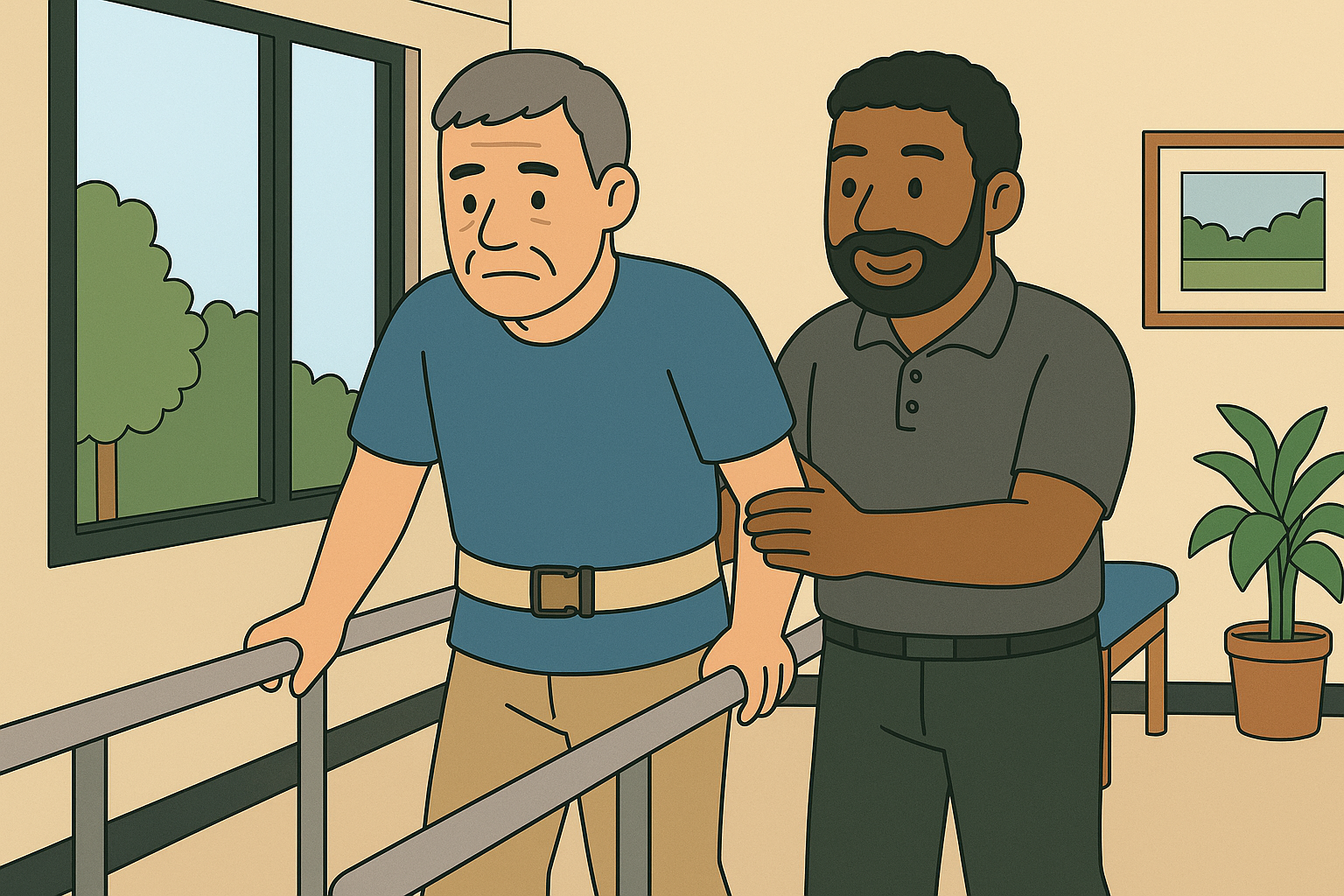
    PT assisting patient in walking using a walker.

    What Is Physical Therapy?

    Physical therapy addresses movement impairments, helping people improve mobility, reduce pain, and restore physical function. PTs use targeted exercise, manual therapy, and modalities like electrical stimulation or ultrasound.

    Scope of PT

    • Mobility training
    • Strength and endurance rehab
    • Balance and fall prevention
    • Pain management
    • Post-surgical rehabilitation
    • Neuromuscular re-education

    Conditions Treated by PT

    • Orthopedic injuries (e.g., ACL tears, fractures)
    • Post-operative rehab (joint replacements)
    • Stroke and neurological disorders
    • Chronic pain (e.g., fibromyalgia)
    • Sports injuries
    • Vestibular and balance disorders

    ➡️ American Physical Therapy Association (APTA) Resource

    📘 Coming October (just in time for PT Month): Our PT Pocket Guide—a practical, intervention-focused quick reference for PTs on the go.


    🗣️ Speech Therapy (ST)

    ST working with patient on communication.

    What Is Speech Therapy?

    Speech therapy (also called speech-language pathology or SLP) targets communication and swallowing disorders. It helps individuals of all ages speak more clearly, understand and express language, and eat and swallow safely.

    Scope of ST

    • Speech sound production
    • Language comprehension and expression
    • Social communication
    • Voice therapy
    • Fluency (e.g., stuttering)
    • Swallowing and feeding
    • Cognitive communication skills

    Conditions Treated by ST

    • Stroke, TBI, and neurological conditions
    • Autism spectrum disorder
    • Developmental delays
    • Parkinson’s disease
    • Aphasia
    • Dysphagia (swallowing disorders)

    ➡️ American Speech-Language-Hearing Association (ASHA) Resource

    📘 Launching in May for Better Hearing and Speech Month: Our ST Pocket Guide—a portable clinical reference for speech therapists in any setting.


    🤝 How OT, PT, and ST Work Together

    Therapy team discussing care plan with a patient.

    While each therapy discipline has its own specialty, rehabilitation works best as a team. Many patients—especially those recovering from strokes, brain injuries, or surgeries—receive all three services in a coordinated plan.

    This interdisciplinary approach ensures that each aspect of recovery is addressed:

    • PT restores strength and movement.
    • OT helps patients function in everyday life.
    • ST ensures they can communicate and eat safely.

    Therapists frequently collaborate, update one another, and co-treat when appropriate to deliver holistic, patient-centered care.


    🧭 Choosing the Right Therapy for You

    Not sure which therapy you need? Here’s a quick guide:

    Your GoalBest Fit
    Regain movement and strength?PT
    Improve daily living or fine motor skills?OT
    Work on speech, communication, or swallowing?ST

    In many cases, a combination of therapies may be most effective. If you’re unsure, speak with your physician or request an evaluation from a rehab therapist—they’ll guide you to the right service(s) for your goals.


    📘 Conclusion & Free Download

    Therapy team waving good-bye.

    Rehabilitation therapy is a powerful tool for healing, restoring function, and regaining independence. While PT, OT, and ST each serve different roles, they often work best when combined—providing a full-spectrum approach to recovery.

    Whether you’re new to the world of rehab or already working in the field, understanding these differences is key to getting the right help.

    ✨ Want a quick reference sheet you can print or keep on hand? 

    Subscribe and Download our free Rehab Therapy Quick Reference Sheets

    Be sure to subscribe to our newsletter and keep an eye out for our OT Pocket Guide (April)ST Pocket Guide (May), and PT Pocket Guide (October)—each packed with clinical tools, checklists, and intervention-based tips for everyday use.

    Originally posted 2025-04-21 03:34:13.

  • 16. Therapist Survival Guide: Hydration & Heat Precautions for Summer Visits

    16. Therapist Survival Guide: Hydration & Heat Precautions for Summer Visits

    ☀️ When the Heat Hits: Summer Isn’t Just a Patient Concern

    As rehab therapists, we pride ourselves on being adaptable—climbing stairs with stroke patients, running errands with someone regaining independence, or walking alongside a child during outdoor play therapy. But summer adds a layer of challenge, especially for those in home health or outpatient community-based care.

    If you’ve ever found yourself dripping with sweat between visits, chugging lukewarm water from your car, or trying to protect a splint from sun-exposed surfaces—you’re not alone. Summer safety isn’t just a comfort issue—it’s a clinical necessity for protecting therapists and clients from heat-related hazards.

    Let’s walk through key summer safety tips for rehab therapists so you can keep care consistent, safe, and hydrated.

    ⚠️ Affiliate Disclosure

    This blog contains affiliate links. As an Amazon Associate, I earn from qualifying purchases. This helps support the blog at no extra cost to you. I only recommend tools I’d use myself as a therapist in the field.


    🧊 Hydration Tips for Therapists on the Go

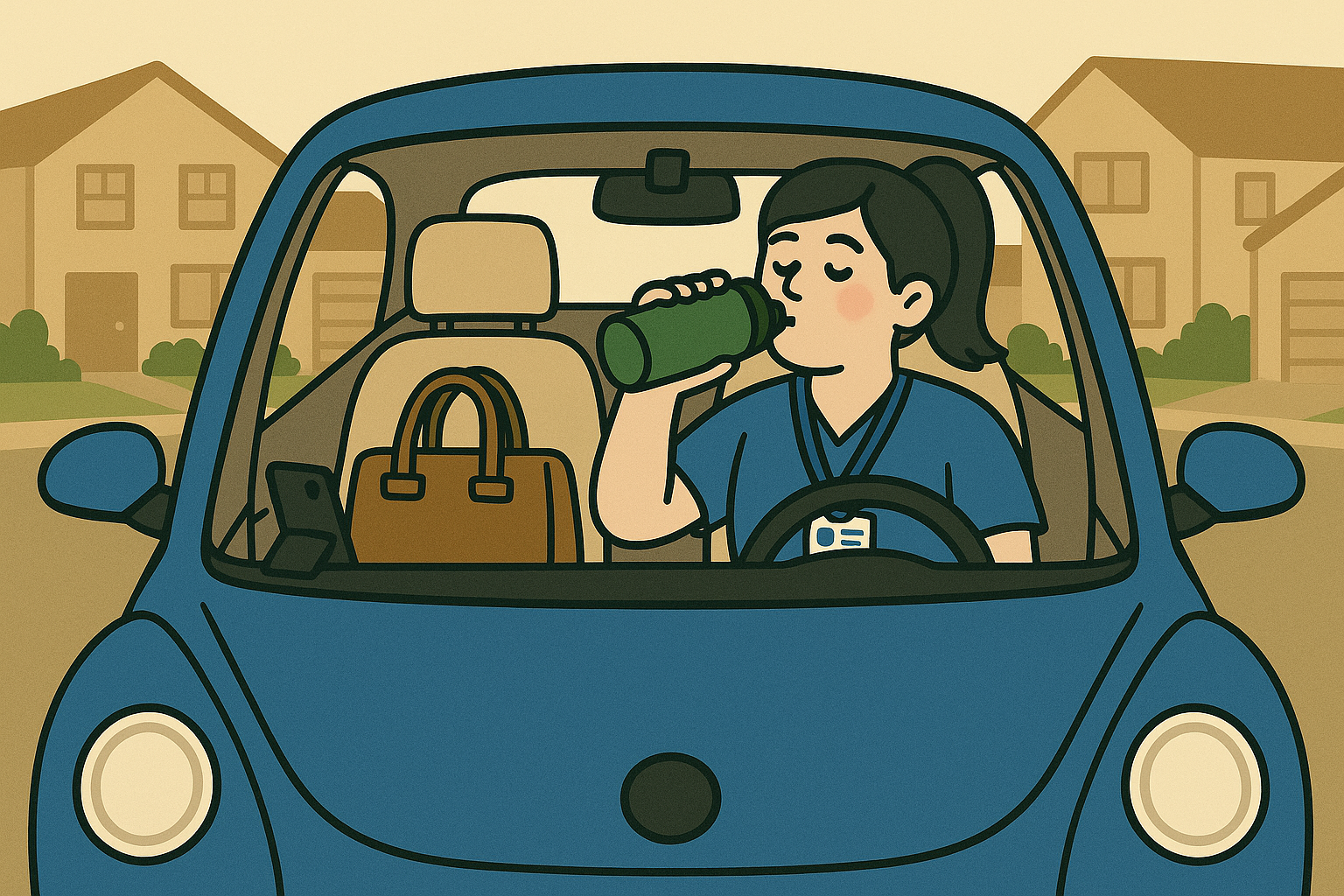
    Speech Therapist staying hydrated and fed between summer home visits

    Even mild dehydration can affect your energy, attention, and decision-making—none of which we can afford to compromise during a treatment session.

    Quick hydration strategies:

    • Keep electrolyte packets in your therapy bag for a quick fix when you’re sweating between visits.
    • Choose a quality insulated water bottle, like a Hydro Flask or ThermoFlask, to keep water cold all day—even in a hot car.
    • Set reminders to drink at least every hour on the road or during long sessions.

    Pro Tip: Some therapists mark their bottles with time goals or refill checkpoints—whatever keeps you sipping safely!


    🌞 Heat Precautions for Rehab Therapists

    Occupational Therapy Assistant using cooling towel to prevent heat exhaustion for herself and her client.

    Therapists are particularly vulnerable to heat exhaustion due to constant movement, car travel, and PPE use in homes that may lack air conditioning.

    Watch for:

    • Dizziness, rapid heart rate, or nausea
    • Confusion or heavy sweating
    • Unusually sluggish physical or cognitive performance

    Precaution checklist:

    📚 CDC Heat-Related Illness Prevention
    🧾 NIOSH Guide for Outdoor Workers


    🚗 Safe Summer Home Visits: From Car to Client

    Mobile therapist’s summer-ready car setup

    For home health therapists and traveling outpatient providers, your car is your mobile clinic. And it needs some summer prep too.

    Essential tips:


    🧴 Sun Protection for Outdoor Therapy Sessions

    Physical therapy assistant and client using sun protection during outdoor rehab

    Pediatric therapists, outdoor walkers, and those working on mobility re-integration often find themselves under direct sun.

    Your sun safety kit:

    🧪 Skin Cancer Foundation – Sun Protection


    🧰 Emergency Supplies for Mobile Clinicians

    An open red first aid kit displayed on an indoor table, with bandages, scissors, bottles, and two labeled instant cold packs placed in front of it.

    Therapists in the field may not always have immediate access to help. Be sure your summer gear includes:

    • first aid kit stocked for minor cuts, overheating, or allergic reactions
    • Instant cold packs for patient or therapist use during emergencies
    • Hydration, backup PPE, and temperature-sensitive tools are stored securely

    🧡 Final Thoughts: Stay Cool, Stay Clinical

    A beach scene with a towel, umbrella, cooler, and a spilled thermal water bottle on the sand, with ocean waves and a sunny sky in the background.

    Rehab doesn’t take a break for the heat—and neither do we. But with small adjustments and reliable tools, you can keep care consistent and avoid burnout this summer.

    Whether you’re sweating between home visits or supporting clients through outdoor goals, prepping for summer safety keeps everyone healthier.

    🧠 Want more therapy tools like this?
    📖 Download your free Quick Reference Sheets, and check out the 

    • Occupational Therapy Pocket Guide (available now),
    • the Speech Therapy version (coming soon!),
    • and the Physical Therapy edition (coming October 2025).

    💬 What’s Your Go-To Summer Tip?

    Drop your favorite hydration hack or summer-safe therapy tool in the comments below—we’d love to learn from you!

    Originally posted 2025-07-08 16:30:00.

  • 18. Rehab Productivity Simplified: Save Time, See Results

    18. Rehab Productivity Simplified: Save Time, See Results

    😵‍💫 When You’re Productive… But Still Behind

    You clock in early, give everything to your patients, and somehow still end the day feeling behind. Notes pile up, your brain’s fried, and you’re left wondering, “How do they expect me to keep up?”

    The truth? Rehab productivity expectations often don’t account for everything you do. But with the right tools—and a smart strategy to calculate and manage your time—you can stay efficient without burning out.

    This post walks you through:

    • What productivity really means in OT, PT, and SLP
    • How to calculate it with real-time examples
    • When to track it during your day
    • Tools that will save you hours over the week

    ⚠ Affiliate Disclosure

    This post includes affiliate links. That means I may earn a small commission (at no cost to you) if you purchase through them. I only recommend tools I’ve personally vetted or would use in clinical settings.


    🧠 What Is Productivity in Rehab Therapy?

    In therapy, productivity is the percentage of your shift spent delivering billable, direct care (usually tracked in your EMR—Electronic Medical Record system).
    It’s a business metric, but it directly affects how you’re judged as a therapist—and how exhausted you feel by 3 PM.

    Productivity Formula:
    Total Work Time = (Treatment Minutes ÷ Productivity %) × 100

    The remaining time in your day—non-billable minutes—is all you’ve got for documentation, collaboration, and admin work.

    That’s why understanding this formula early in your day can help you set boundaries and avoid surprise overtime.


    🧮 How to Calculate Rehab Productivity (With Clock-Out Time Examples)

    🎥 Prefer to watch instead of read?
    I created a short video that walks through these exact productivity calculations—step by step—so you can visualize how it works in real life. 

    Let’s say you:

    • Clock in at 8:00 AM
    • Take a 30-minute unpaid lunch
    • Need to hit 8 total hours of paid time
    • Want to finish on time at 5:00 PM

    Here are three real examples based on common productivity expectations:


    ✅ Example 1: 100% Productivity Goal

    • Treatment Time Required: 8 hours (480 minutes)
    • Clock-Out Time: 4:30 PM

    ⚠️ You’ll need to bill for every minute you’re on the clock (minus lunch). This rarely allows time for documentation or indirect tasks. Best suited for high-volume outpatient clinics, and unrealistic without the use of group or concurrent treatments.


    ✅ Example 2: 90% Productivity Goal

    • Treatment Time Required: 7 hours 13 minutes (433 minutes)
    • Calculation: 433 ÷ 0.90 = 481 minutes ≈ 8 hrs 1 min
    • Clock-Out Time: 5:00 PM

    💡 Tip: Do a quick productivity check mid-morning. If you’ve had a no-show or longer session, recalculate your clock-out time early so you’re not stuck finishing late. This productivity percentage is ideal for assistants in the field.


    ✅ Example 3: 85% Productivity Goal

    • Treatment Time Required: 6 hours 48 minutes (408 minutes)
    • Calculation: 408 ÷ 0.85 = 480 minutes (8 hrs)
    • Clock-Out Time: 5:00 PM

    You now have 72 minutes of your day to split across documentation, phone calls, team discussions, travel (if applicable), and setup time. Generally ideal for evaluating therapists who need the extra time.


    🧭 How to Plan Your Clock-Out Time Before You Get Behind

    A smart habit? Calculate your projected clock-out time once you’ve seen your second patient.
    That way, if you had a missed visit, longer eval, or ran a group session, you’ll know if you’re ahead or behind.

    📌 Check again around your second-to-last patient. That’s your last chance to rebalance and wrap up on time.


    🧩 Understanding Group and Concurrent Sessions (Productivity Boosters)

    If your facility allows group or concurrent therapy, your EMR often counts each client’s time individually—even if you’re treating multiple people at once.

    🧾 For example:

    • You see 2 patients together for a 30-minute group
    • Your EMR logs it as 30 min per patient = 60 min billable time

    🎉 You just gained 30 minutes toward your productivity goal in half the time—leaving more space for documentation or a break.

    ⚠ Disclaimer: At the time of writing, most EMRs calculate group/concurrent minutes this way. Your system may differ, and future updates could change how minutes are logged. Always verify with your clinical supervisor or billing policies.


    🧰 Time-Saving Tools That Help You Work Smarter

    Time = your most valuable resource. These tools are therapist-tested and designed to help you save minutes that add up to hours:

    🔧 Therapy Tools for Productivity


    🧾 Documentation Aids That Actually Help


    🛋 Session Setup & Organization


    💻 Tech Tools for EMR Efficiency


    👕 Wearables That Make Long Days Easier


    📚 Pocket Guides That Save You Hours

    These guides were created specifically to cut your documentation time in half—with goal banks, CPT cheat sheets, and functional intervention cues for every setting.

    📘 Want to see all available guides? Visit the full book page here »


    💬 Final Thoughts

    Productivity should never come at the expense of your well-being or clinical reasoning.
    By learning how to calculate your expected work time before you get behind—and by setting yourself up with the right tools—you can save time and reclaim control over your workday.

    🎯 Want the tools I mentioned all in one place?
    Subscribe to get all 3 free Quick Reference Sheets instantly »


    💬 Therapist Talk: Let’s Hear From You

    How do you  keep your productivity high without staying late?
    Share your tips in the comments—I’d love to highlight your ideas in a future post!


    Originally posted 2025-09-17 14:47:30.

  • 19. 10 Common Physical Therapy Myths (and the Truth About How PT Really Works)

    19. 10 Common Physical Therapy Myths (and the Truth About How PT Really Works)

    Physical Therapy: What It Really Is (and Isn’t)

    Physical therapy often gets a bad rap — mostly because people don’t actually know what PTs do. Whether it’s fear of pain, confusion about what therapy involves, or frustration from past experiences, misconceptions about physical therapy can hold people back from real recovery.

    In this post, we’ll break down the most common physical therapy myths and replace them with facts that can help you make informed choices about your health and mobility.

    👉 And definitely check out Myth #9 — it’s the one I hear most often in every setting, and it’s a big one.


    ⚠️ Medical Disclaimer

    You should know better than to take this as medical advice 😉.
    This post is meant to be educational and informational—and maybe even a little fun.
    If you want real answers, talk to a real person in front of you—like a licensed healthcare provider—who can do what a post can’t: evaluate, diagnose, and treat.

    🩺 Affiliate Disclosure

    Some of the links in this post are affiliate links, meaning I may earn a small commission if you purchase through them — at no extra cost to you. Every product I recommend aligns with my professional experience as a therapist and aims to support your well-being and recovery.


    Myth #1: “Physical Therapy Is Just Exercise.”

    Physical therapist guiding an older male patient through resistance band exercises in a cozy home rehab setting.

    Reality: PT isn’t just “working out.” It’s targeted, evidence-based movement designed to restore function, improve balance, and rebuild the neuromuscular pathways that support daily life.

    💬 Personal insight: Physical therapists go through many years of schooling and are required to complete continuing education to ensure that every patient receives the most up-to-date, research-backed care.

    If you want to experience what PT-guided exercise actually looks like at home, try small-scale tools that mimic what’s used in clinics:

    📖 External Resource: APTA: What Is Physical Therapy?


    Myth #2: “Physical Therapy Hurts.”

    Physical therapist assistant applying a cold pack to a young woman’s knee while she rests with her leg elevated in a clinic room.

    Reality: PT should never make your condition worse — it’s about controlled, guided motion.

    💬 Personal insight: Pain is there because you’ve undergone a major event — surgery, injury, or prolonged immobility. The pain ONLY GETS WORSE WITH LACK OF MOVEMENT. That’s why PT exists: not to cause pain, but to restore healthy motion, strength, and confidence.

    To manage soreness safely at home, use recovery tools that complement your sessions:

    📖 External Resource: Harvard Health: Why Gentle Movement Helps Pain


    Myth #3: “You Need a Doctor’s Referral to See a PT.”

    Physical therapist discussing care options with a parent while their child plays on a tablet in a family-friendly therapy office.

    Reality: In most U.S. states, you have Direct Access — meaning you can see a PT without a physician referral.

    Starting therapy early can reduce long-term costs, prevent chronic pain, and speed up healing. Don’t wait until pain sidelines you; a PT can be your first line of care.

    📖 External Resource: APTA Direct Access by State


    Myth #4: “PT Is Only for Injuries or Post-Surgery.”

    Physical therapist assistant leading an older woman through aquatic therapy exercises in a warm indoor therapy pool.

    Reality: Physical therapy is just as much about prevention as it is about recovery.

    💬 Personal insight: You’ll find PTs in diverse settings — sports performance clinicsaquatic therapy programs, and even yoga-informed or massage-integrated wellness classes — all designed to optimize movement before problems arise.

    Small ergonomic upgrades can also make a big difference in everyday posture and back health:

    📖 External Resource: Cleveland Clinic: Preventive Physical Therapy Benefits


    Myth #5: “PT Is Only for Older Adults.”

    Physical therapist encouraging a young girl balancing on a beam in a colorful pediatric therapy gym with natural light and a flower box view.

    Reality: PT is for every age and stage. Therapists work with babies on developmental milestones, teens recovering from sports injuries, and adults managing chronic conditions.

    💬 Personal insight: Movement looks different across life stages, but PT adapts to them all — whether it’s balance training for older adults or endurance work for athletes.

    Simple home tools that encourage safe, lifelong movement include:

    📖 External Resource: Johns Hopkins: Pediatric & Sports Physical Therapy


    Myth #6: “PT Is Just Massage or Stretching.”

    Physical therapist assistant performing gentle ankle range-of-motion exercises on an older  male patient lying in a hospital bed.

    No, no, no — they are not.

    Reality: PT is a science-based practice. Techniques like manual therapy, joint mobilization, and neuromuscular re-education are purposeful — not pampering.

    💬 Personal insight: Many people expect a spa experience, but PT focuses on functional improvement, not relaxation. You’ll move, strengthen, and re-educate muscles to work correctly — not just feel better temporarily.

    If you’re curious about what goes into evidence-based PT practice, check out:

    📖 External Resource: APTA: Manual Therapy Techniques Explained


    Myth #7: “Once the Pain Is Gone, Therapy Is Done.”

    Physical therapist supervising an adult female performing seated leg raises with ankle weights in an outpatient rehab gym. How physical therapy helps recovery

    Reality: Pain relief is the start of healing, not the finish line.

    💬 Personal insight: Continued exercise practice is essential to maintain the range of motion and strength gained in therapy. Proper positioning and body mechanics matter too — many people regress after discharge simply because they revert to old habits.

    For at-home maintenance, consistency is key. Keep your momentum with:

    📖 External Resource: Mayo Clinic: Importance of Exercise Adherence in Rehab


    Myth #8: “I Can Just Do YouTube Exercises Instead.”

    Physical therapist assistant leading a virtual yoga class, seated cross-legged in front of a studio mirror, displayed on a large TV screen.

    Reality: Online workouts can be useful — but they’re not personalized or safe for everyone.

    💬 Personal insight: You won’t know if an exercise is beneficial for your condition — or if it’s actually harmful. You won’t have anyone correcting your form, and doing something incorrectly could lead to another injury. And if that happens? You’ll end up in therapy anyway.

    Track your sessions and progress the smart way:

    📖 External Resource: Healthline: Why DIY Rehab Can Backfire


    Myth #9: “Physical Therapy Doesn’t Work / It’s a Waste of Time.”

    Physical therapist giving a presentation on ergonomics to office employees seated around a conference table, with a PowerPoint slide titled ‘Ergonomics: What It Means.’ Does Physical Therapy Work.

    💬 Personal insight:
    This is the myth I hear the most — and it’s one that deserves real conversation.

    Whether therapy “works” depends on your commitment, condition, and healing capacity. No one, after a major injury or surgery, becomes exactly as they were before — the body remembers old trauma. But that doesn’t mean recovery is a waste.

    PT helps you restore functional mobility within your limits, improve independence, and reduce long-term pain. Therapists can’t control biology — but they can guide the process. Healing is teamwork.

    Keep yourself motivated with small wins:

    📖 External Resource: NIH: Physical Therapy Outcomes Study


    Myth #10: “All PTs Do the Same Thing.”

    Collage showing physical therapists working in different settings— (left to right, top to bottom)sports, home, pediatric gym, hospital, aquatic pool, yoga studio, and workplace—highlighting the range of PT specialties. Goal: debunk physical therapy myths.

    Reality: Not even close. Physical therapists specialize in everything from orthopedics and neurology to pelvic health, pediatrics, vestibular rehab, and more.

    💬 Personal insight: Each PT niche focuses on a specific population or system. Some work with athletes, others with children, stroke survivors, or postpartum women. PT is a wide-ranging, deeply specialized field.

    Explore tools often used across specialties:

    📖 External Resource: APTA: Specialty Certifications


    💡 Quick Reference Sheets & Pocket Guides

    Looking for ready-to-use therapy resources?
    Download your free Therapy Quick Reference Sheets and explore our growing collection of Pocket Guides — featuring OT, PT, and ST books for busy rehab professionals.

    📘 Visit the Pocket Books Page


    Final Thoughts: Rethinking What Physical Therapy Means

    Physical therapist and physical therapist assistant walking together in a park, chatting along a tree-lined path with benches, people, and a distant city skyline.

    Physical therapy isn’t about “fixing” people — it’s about empowering them to move better, recover safely, and reclaim their independence.

    If you’ve ever hesitated to start PT because of one of these myths, I hope this helped you see the field differently. Healing takes collaboration, trust, and patience — and it’s absolutely worth it.

    💬 Have you ever worked with a physical therapist? What was your experience like — good or bad?
    If it wasn’t what you expected, how could it have been approached differently? Drop your thoughts in the comments below — your story might help someone else take that first step.

    Originally posted 2025-10-30 14:52:27.

  • 15. From Brain Fog to Focus: Cognitive Rehab Strategies from the Therapy Team

    15. From Brain Fog to Focus: Cognitive Rehab Strategies from the Therapy Team

    Ever walk into a room and forget why you were there?

    Now imagine that—but constantly. For individuals recovering from a stroke, traumatic brain injury (TBI), or neurological illness, this isn’t just a moment of forgetfulness—it’s daily life. That’s where cognitive rehabilitation steps in, and rehab therapists play a leading role in making brain recovery possible.

    Whether it’s retraining memory, improving attention, or helping someone safely return to their routines, Occupational Therapists (OTs)Physical Therapists (PTs), and Speech-Language Pathologists (SLPs) form the backbone of interdisciplinary brain rehab. Let’s explore how they work together to restore cognitive health and independence.

    ⚠️ Affiliate Disclosure

    This post may contain affiliate links. If you click through and purchase, we may earn a small commission at no extra cost to you. All recommendations are based on real therapy use cases.


    🧠 What Is Cognitive Rehabilitation Therapy?

    Brain diagram highlighting cognitive functions affected by injury

    Cognitive rehabilitation therapy (CRT) is a structured approach to rebuilding skills like memory, attention, organization, and problem-solving that are often impaired after:

    • Stroke
    • Brain injuries
    • Neurological diseases (like Alzheimer’s or Parkinson’s)
    • Brain tumors
    • Encephalitis
    • Post-COVID “brain fog”

    CRT is goal-oriented, personalized, and often delivered by a team of therapists across multiple disciplines. The collaboration of OT, PT, and ST is essential in helping patients regain cognitive abilities and apply them functionally.


    🧩 Occupational Therapy for Memory, Sequencing & Executive Function

    OT showing patient how to use a daily planner and pill organizer

    Occupational Therapists help patients re-engage in daily tasks while addressing cognitive deficits such as memory loss, poor planning, and reduced attention. Interventions may include:

    OTs often focus on real-world application, building strategies patients can use at home or work.


    🏋️ Physical Therapy and Neuroplasticity in Motion

    PT guiding patient on treadmill while doing cognitive task (dual-task training with patient)

    Physical Therapists help restore physical function—but they also play a hidden cognitive role. Many PTs use dual-task training, combining movement with mental challenges to stimulate the brain.

    Examples include:

    • Balancing while answering questions
    • Walking while recalling word lists
    • Coordinating movement with attention-based tasks

    Helpful tools:

    This supports neuroplasticity—the brain’s ability to adapt and rewire—and is essential for post-injury recovery.


    🗣️ Speech Therapy for Cognitive-Communication Skills

    Speech therapist supporting cognitive-communication recovery

    Speech-Language Pathologists (SLPs) specialize in the cognitive-linguistic aspects of rehab, particularly for:

    • Memory and attention impairments
    • Problem-solving and organization
    • Verbal reasoning and communication clarity
    • Word-finding and comprehension

    They may use:

    STs create therapy plans that blend language rehab with mental organization—key for regaining independence.


    👥 Why Interdisciplinary Cognitive Rehab Works

    Interdisciplinary rehab team collaborating on care plan

    Research continues to show that collaborative therapy yields better results. According to a 2021 review in NeuroRehabilitation, patients engaged in interdisciplinary rehab programs experienced improved attention, memory, and quality of life outcomes.

    In practice, this means:

    • OTs support function
    • PTs build cognitive-motor connections
    • SLPs strengthen language and thought processing

    This wraparound approach ensures that gains are reinforced across disciplines.


    🛠️ Cognitive Tools That Support Recovery at Home

    Home-based tools for cognitive rehab

    Therapy doesn’t end after a session—it extends to the home. Here are therapist-recommended tools to enhance memory, focus, and safety in day-to-day life:


    🎁 Don’t Forget the Caregivers: Support Tools That Help

    Recovery is a team effort—and caregivers need support too. Helpful resources include:

    Equipping caregivers means better continuity of care, and less stress for everyone involved.


    💬 Final Thoughts: Cognitive Recovery Is a Group Effort

    Patient independently using cognitive therapy tools at home

    There’s no one-size-fits-all approach to cognitive rehab. But when OT, PT, and ST work together—while patients use the right tools at home—recovery becomes possible, practical, and empowering.

    🧾 Want to streamline therapy planning or care support?
    ✅ Download our Free Quick Reference Sheets
    📘 Grab the Occupational Therapy Pocket Guide (available now)


    📗 Speech Therapy Guide is coming soon
    📙 Physical Therapy Guide launches in October


    💭 What’s Worked for You?

    What’s one cognitive rehab tool or strategy that made a real difference in your sessions or recovery?
    👇 Share in the comments—we’re better together.

    Originally posted 2025-06-20 06:04:45.

  • 14. Men’s Health Month: Why Men Need Rehab Therapy Too (& How to Help Them Engage)

    14. Men’s Health Month: Why Men Need Rehab Therapy Too (& How to Help Them Engage)

    Breaking the Silence Around Men’s Health

    When we think of rehab therapy—whether physical, occupational, or speech—it’s easy to picture women, children, or older adults. But what about the men? This June, as we honor Men’s Health Month and Father’s Day, it’s time to talk about why men need rehab therapy too—and what we can do to get them engaged in the process.

    Whether it’s recovering from a stroke, managing chronic pain, regaining mobility after surgery, or addressing communication challenges, men often face these struggles quietly. Societal expectations, emotional barriers, and outdated norms around masculinity can prevent them from seeking the help they need.

    It’s time to change that.

    🛑 Affiliate Disclosure

    Some links in this post are affiliate links, which means I may earn a small commission at no extra cost to you if you choose to make a purchase. I only recommend products I believe are valuable and relevant to rehab professionals and caregivers.


    Why Men Avoid Rehab (And Why That Needs to Change)

    Despite the clear benefits of rehab therapy, men are less likely to seek care, stick with their plans, or openly talk about their recovery needs. Research shows that stigma, fear of appearing weak, and a tendency toward self-reliance are major obstacles.
    👉 According to the CDC, men are significantly less likely than women to visit a doctor regularly—and that includes rehab professionals.

    But here’s the reality: Rehab is strength-building, not weakness. And the sooner that message becomes part of how we care for men, the better outcomes we’ll see—in both physical and emotional health.


    Engaging Men in Physical Rehab: Tools That Appeal

    Fitness rehab tools for male therapy clients

    To make rehab approachable and motivating, many therapists use gear that reinforces strength, control, and progress—especially for men who value physical performance.

    Here are some tools that work well in male-centered therapy:

    By integrating familiar equipment and using progress-based tracking, men are more likely to engage, stay consistent, and feel ownership of their rehab journey.


    Addressing Men’s Mental Health: Therapy Isn’t Just Physical

    Promoting mental health and reflection for men

    Men are often expected to be emotionally stoic—but behind that mask, many struggle with anxiety, depression, and feelings of isolation, especially during recovery.

    Therapists can support mental wellness by recommending small, private tools that promote reflection and emotional regulation:


    Speech and Cognitive Therapy for Male Patients

    Speech and cognitive therapy tools for men

    Men recovering from stroke, TBI, or neurological conditions often require speech-language or cognitive therapy. Here’s how to tailor tools for greater impact:


    Father’s Day Ideas That Support Wellness

    Father’s Day wellness gifts for men’s rehab support

    Looking for a meaningful Father’s Day gift? Skip the tie—and consider wellness tools that show care and support for recovery:


    Adaptive Tools That Empower Independence

    Adaptive tools supporting men’s independence

    For men managing physical limitations, tools that support independence and dignity go a long way in building confidence:

    These items blend form and function—making them feel less “clinical” and more empowering.


    Supporting Male Clients (and Caregivers)

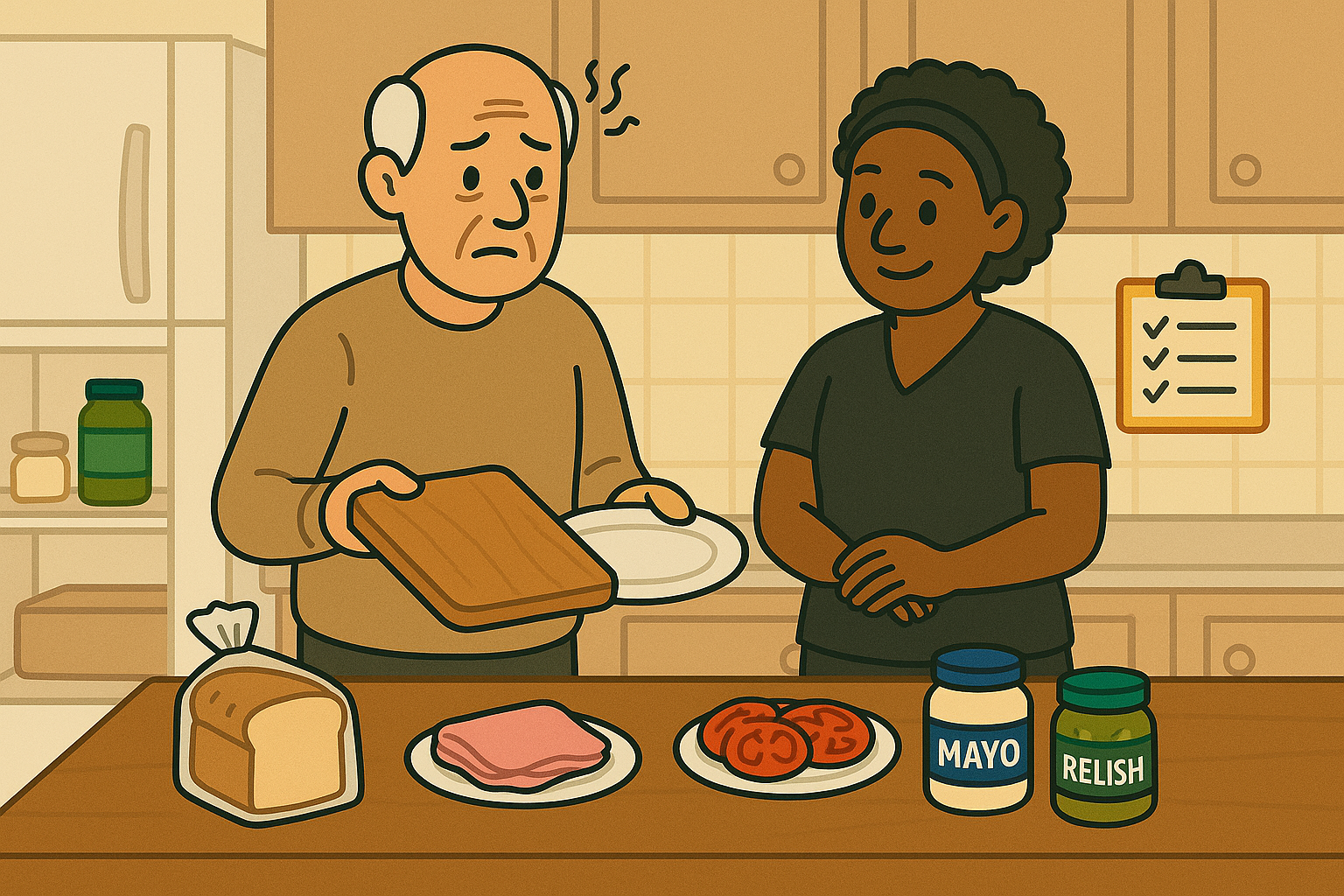
    Caregiver helping elderly man organize medication using a blue pill organizer, with pill bottles, a half-eaten meal, and a glass of water on the table in a warm, homey setting.

    Therapists and caregivers supporting male clients can benefit from practical tools for organization and consistency:

    These simple additions can ease routines, reduce caregiver stress, and increase therapy success.


    Final Thoughts: Helping Men Heal Stronger

    Rehab therapy isn’t just for injuries—it’s a gateway to strength, independence, and connection. This Men’s Health Month, let’s break the silence around men’s rehab needs and celebrate Father’s Day by encouraging the men in our lives to prioritize their health.

    💡 Whether you’re a therapist, caregiver, or loved one, you can make a difference.


    🎯 Want Rehab Support at Your Fingertips?

    Download your free Quick Reference Sheets for OT, PT, and ST—loaded with tools, treatment ideas, and client-centered strategies.

    📖 OT Pocket Guide available now 


    📘 ST Pocket Guide coming soon
    📙 PT Pocket Guide coming in October


    💬 We Want to Hear From You:

    Have you supported a male client in rehab?
    What tools or strategies helped engage him the most?

    👇 Drop your experiences or insights in the comments—we learn best when we learn together.

    Originally posted 2025-06-12 05:30:45.

  • 13. Understanding Aphasia and Alzheimer’s: Rehab Therapy for Communication Loss

    13. Understanding Aphasia and Alzheimer’s: Rehab Therapy for Communication Loss

    When Words Slip Away: How Therapists Bridge the Gap

    Imagine sitting across from a loved one and watching them struggle to say your name—or not remember it at all. Whether the cause is aphasia or Alzheimer’s, communication breakdowns can feel heartbreaking, frustrating, and isolating. But here’s the good news: rehab therapists are trained to help rebuild those bridges—even when words are lost or memory fades.

    As an occupational therapy assistant who has worked with both types of clients, I’ve seen firsthand how different the root of the communication breakdown can be—and how vital tailored therapy is. In this blog, we’ll break down the differences between aphasia and Alzheimer’s, explore how speech-language pathologists (SLPs) and occupational therapists (OTs) support communication, and share tools and tips that caregivers and professionals can use starting today.

    Want quick tools for working with clients facing language or memory challenges?
    [Download your Free Quick Reference Sheets]
    Includes strategies for OT, ST, and PT — plus affiliate links to therapy must-haves!

    📌 Affiliate Link Disclosure:

    Some links in this post are affiliate links, meaning I may earn a small commission (at no extra cost to you) if you choose to purchase through them. I only recommend tools I’ve used or trust in clinical settings.


    🧠 What’s the Difference Between Aphasia and Alzheimer’s?

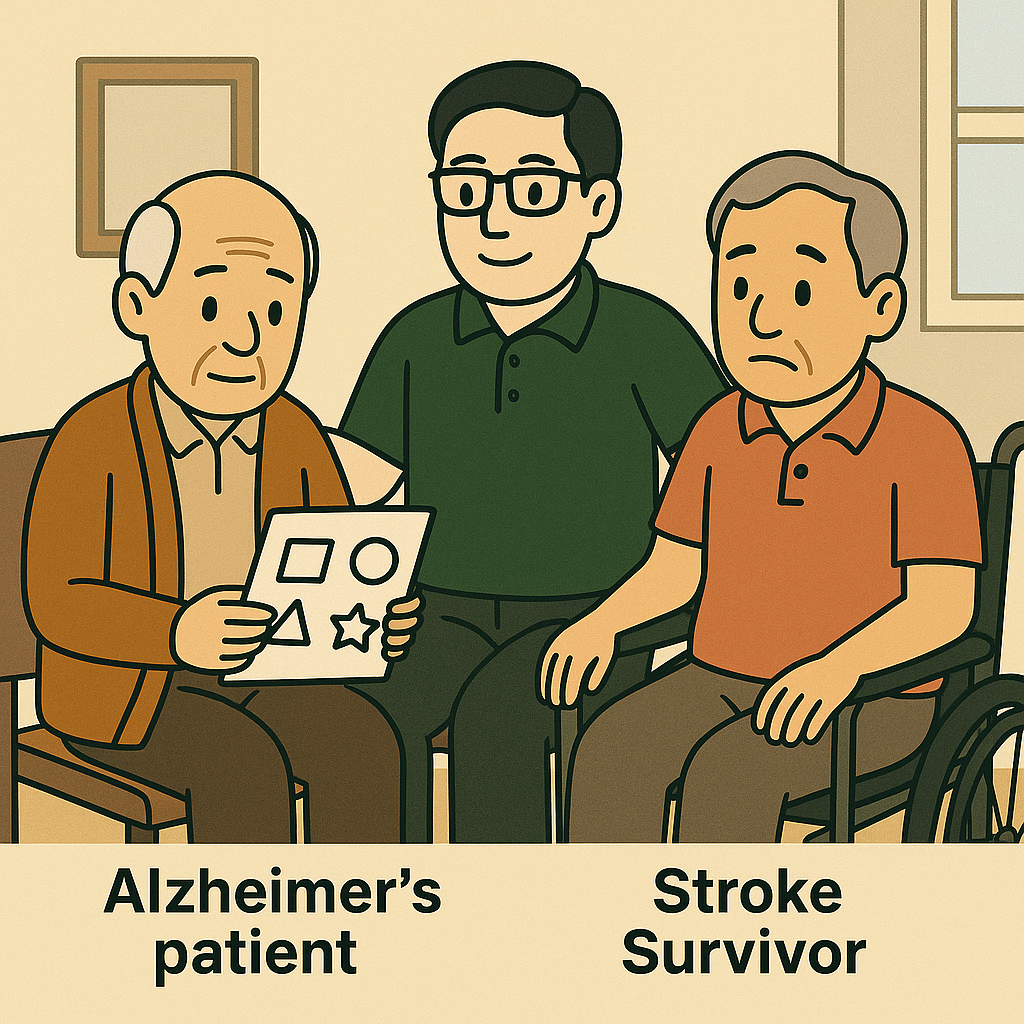
    Visual comparison of aphasia and Alzheimer’s symptoms

    At first glance, both conditions can look similar: someone has difficulty speaking, understanding, or remembering words. But the cause and treatment approach differ significantly.

    ✅ Aphasia

    • Cause: Brain damage, often from stroke, traumatic brain injury, or brain tumor
    • Main issue: Language – understanding, speaking, reading, or writing
    • Memory usually intact

    ✅ Alzheimer’s

    • Cause: Progressive neurodegenerative disease
    • Main issue: Memory – gradual loss of cognitive function
    • Language issues develop later

    Source: National Aphasia Association
    Source: Alzheimer’s Association


    👩‍⚕️ How Speech Therapists Support Aphasia vs Alzheimer’s

    Speech therapist using low-tech and digital AAC tools

    Speech-language pathologists (SLPs) are communication specialists trained to assess, diagnose, and treat both aphasia and cognitive-communication deficits related to dementia.

    🗣️ SLPs and Aphasia:

    🦳 SLPs and Alzheimer’s:

    • Shift focus to functional communication: gestures, simplified questions, familiar routines
    • Collaborate closely with caregivers to reduce frustration and preserve dignity

    Recommended Tools for SLPs:


    🧹 How Occupational Therapists Address Communication Challenges

    Occupational therapist setting up daily memory aids

    Occupational therapists (OTs) help patients maintain independence and function through adaptive communication and daily routines.

    🧠 OTs and Aphasia:

    • Create accessible home environments with AAC tools
    • Reinforce functional use of therapy cards and boards during tasks

    🧠 OTs and Alzheimer’s:


    🛠️ Therapy & Caregiver Tools That Actually Help

    Aphasia and Alzheimer’s therapy materials used by rehab therapists

    Whether you’re a clinician or family member, small tools can make a big difference.

    📅 Memory & Routine Aids:

    💥 Calming & Communication Support:

    ✍️ Therapist & Caregiver Add-ons:


    💬 Communication Isn’t Just Verbal

    When words fail, therapists help find alternatives. SLPs teach gestures and picture systems. OTs adapt tasks and environments. Even a simple cue card or familiar object can prompt a smile, a word, a moment of recognition.

    And that moment? That’s connection. That’s therapy.


    💕 Final Thoughts: Different Diagnoses, Shared Goals

    Successful communication using alternative methods

    Whether you’re working with someone recovering from a stroke or living with Alzheimer’s, the goal is the same: preserve dignity, support independence, and restore communication in any form.

    Let’s keep learning, sharing, and empowering patients—and each other.


    ✅ Get Free Therapist Tools

    Stay prepared wherever you are—clinic, home health, or SNF.

    📌 [Download Your Free Quick Reference Sheets for OT, PT, and ST]
    Tools, cheat sheets, and go-to strategies you’ll actually use.

    📚 OT Pocket Guide is now available

    📘 ST Pocket Guide releases soon
    📗 PT Pocket Guide coming in October


    💬 Let’s Hear From You!

    Have you worked with someone with aphasia or Alzheimer’s?
    What communication strategy made the biggest difference?

    👇 Share your story in the comments—we learn best when we learn together.


    Originally posted 2025-06-10 12:19:16.

  • 12. How SLP, OT, and PT Work Together: Interdisciplinary Rehab for Stronger Patient Recovery

    12. How SLP, OT, and PT Work Together: Interdisciplinary Rehab for Stronger Patient Recovery

    When my grandmother had her stroke, I remember seeing three different therapists walk into her room—one after the other. First came the speech therapist, then the occupational therapist, and finally the physical therapist. They were kind, knowledgeable, and patient. But what really amazed me was how they worked together like a well-oiled machine.

    That experience opened my eyes to something that too often goes unnoticed in healthcare: the power of collaboration in rehabilitation. Individually, each therapist brings essential expertise to the table—but when they unite, SLP, OT, and PT become a force for transformational recovery.

    Let’s take a deeper look into why interdisciplinary teamwork is not just ideal—but essential—for patient-centered care.

    💡 Affiliate Disclosure: This post may contain affiliate links. If you click and purchase, I may earn a small commission at no extra cost to you. As an Amazon Associate, I earn from qualifying purchases. I only recommend tools I trust and use.


    🧠 What Is Interdisciplinary Rehab—and Why Does It Matter?

    Visual explaining interdisciplinary rehab team mode

    In interdisciplinary rehab, therapists from different specialties—speech-language pathologists (SLPs), occupational therapists (OTs), and physical therapists (PTs)—collaborate with a shared treatment plan. Unlike a multidisciplinary approach, where each discipline works in parallel, interdisciplinary teams coordinate in real-time to improve patient outcomes, reduce therapy overlap, and enhance communication.

    This approach leads to:

    • More cohesive goal-setting
    • Fewer redundancies in care
    • Better progress tracking
    • Enhanced patient satisfaction

    📌 According to the World Health Organization, integrated rehab services improve function, reduce hospital stays, and support long-term independence.


    🤝 The Unique Role Each Therapist Plays

    Three therapists providing different forms of rehab

    Let’s break down what each professional brings to the table—and how they complement one another.

    🗣 Speech-Language Pathologist (SLP)

    Focus: Communication, cognition, swallowing

    • Assess and treat speech/language deficits
    • Manage swallowing disorders (dysphagia)
    • Support cognitive-linguistic therapy

    Helpful Tool:
    👉 Low-Tech AAC Flip Book – ideal for collaborative bedside communication
    👉 Speech Therapy Mirror – great for articulation work during co-treatment sessions

    ✋ Occupational Therapist (OT)

    Focus: Functional independence and daily living

    • Help with dressing, grooming, and adaptive techniques
    • Address sensory processing, fine motor skills
    • Facilitate postural alignment for communication and feeding

    Helpful Tool:
    👉 Therapy Putty for Hand Strengthening
    👉 Weighted Lap Pad for Sensory Regulation

    🦵 Physical Therapist (PT)

    Focus: Mobility, strength, balance

    • Assist in walking, transferring, and body mechanics
    • Build endurance and coordination
    • Promote safety with ADLs and mobility devices

    Helpful Tool:
    👉 Regular Gait Belt
    👉 Balance Pad for Rehabilitation


    🔄 How Interdisciplinary Teams Collaborate in Practice

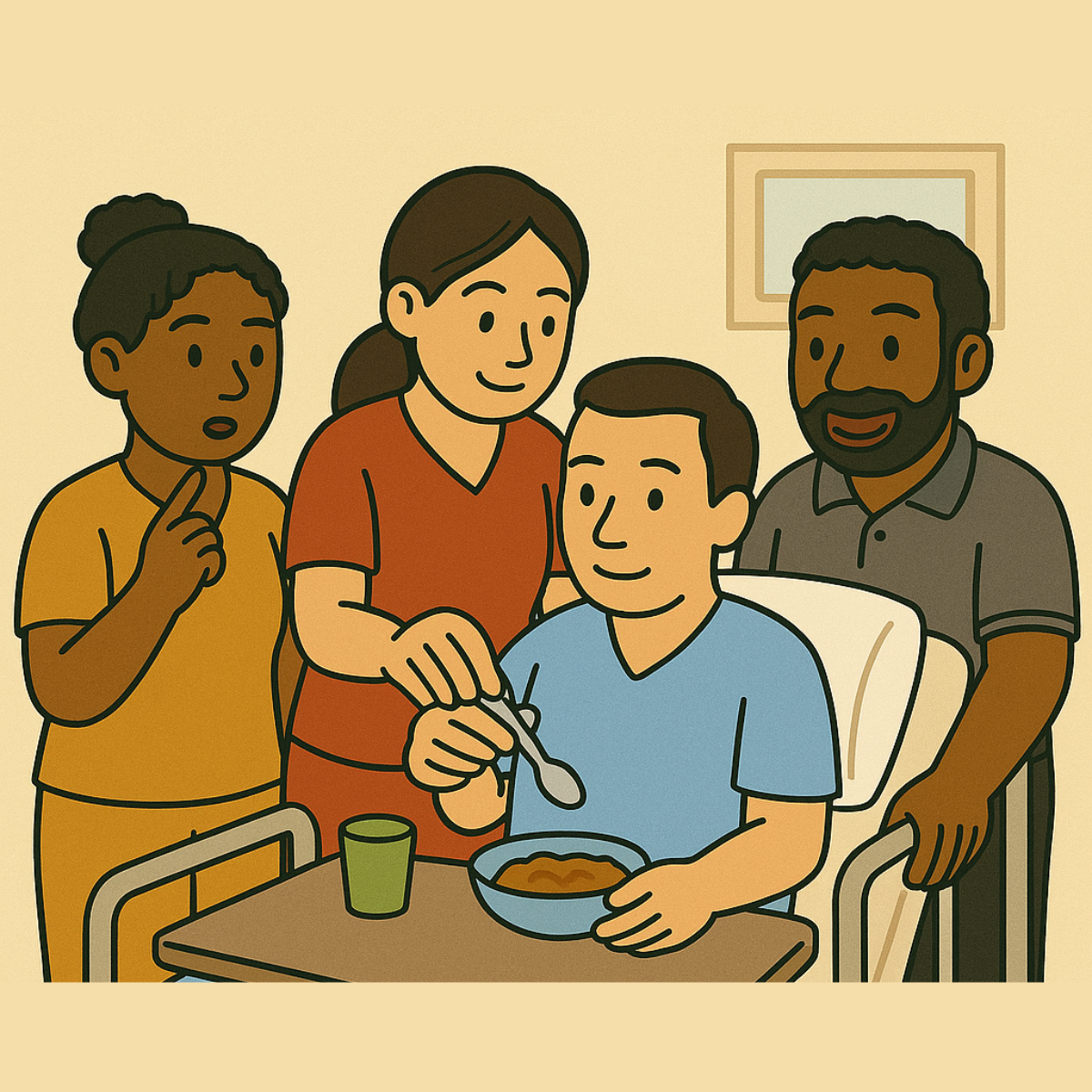
    Interdisciplinary co-treatment with patient during mealtime

    Here’s how this looks in action:

    • During a co-treatment, an SLP might work on cognitive sequencing while the OT facilitates a grooming task.
    • PT could position the patient safely for feeding, while the SLP assesses swallowing.
    • All three may meet weekly to align their goals, adjust interventions, and celebrate progress as a team.

    Shared Tools for Coordination:
    👉 Whiteboard Clipboard – great for writing down goals during sessions
    👉 HIPAA-Compliant Therapy Notebooks – excellent for coordinated care notes
    👉 Rehabilitation Team Communication Board – visual support for patients and team


    💪 Why Teamwork Improves Patient Outcomes

    Therapists supporting patient success as a team

    When therapists collaborate, the patient:

    • Receives comprehensive care that treats the whole person, not just one issue
    • Feels more supported, seen, and empowered
    • Shows faster and more sustainable progress
    • Gains consistent reinforcement across therapies

    A 2018 review published in the Journal of Rehabilitation Medicine emphasized that interdisciplinary teamwork is essential in physical and rehabilitation medicine, improving not only functional outcomes but also communication, patient satisfaction, and long-term success. By sharing goals, coordinating strategies, and delivering cohesive care, SLPs, OTs, and PTs can dramatically enhance a patient’s quality of life—especially in complex rehab scenarios.


    📚 Resources for Continued Learning


    🧡 Conclusion: Together, We Heal Faster

    Recovery isn’t linear—and it’s certainly not solitary. When SLPs, OTs, and PTs work together, the road to healing becomes smoother, faster, and more empowering for everyone involved.

    Whether you’re a therapist, student, caregiver, or patient—recognize the value of collaboration in every step toward independence.


    📥 Want Free Therapy Tools at Your Fingertips?

    3 Quick sheets available: OT,PT & SLP

    Download your free quick reference sheets for OT, PT, and ST—perfect for therapists, students, or anyone in the field.

    📘 OT Pocket Guide available now


    📕 ST Pocket Guide releasing soon
    📗 PT Pocket Guide launching in October

    👉 Download Your Free Quick Sheets


    💬 We Want to Hear From You

    Therapists sharing feedback and goals together

    Have you ever seen a great therapy team in action? What made the difference?

    👇 Share your story in the comments—we learn best when we learn together.

    Originally posted 2025-05-29 05:39:05.